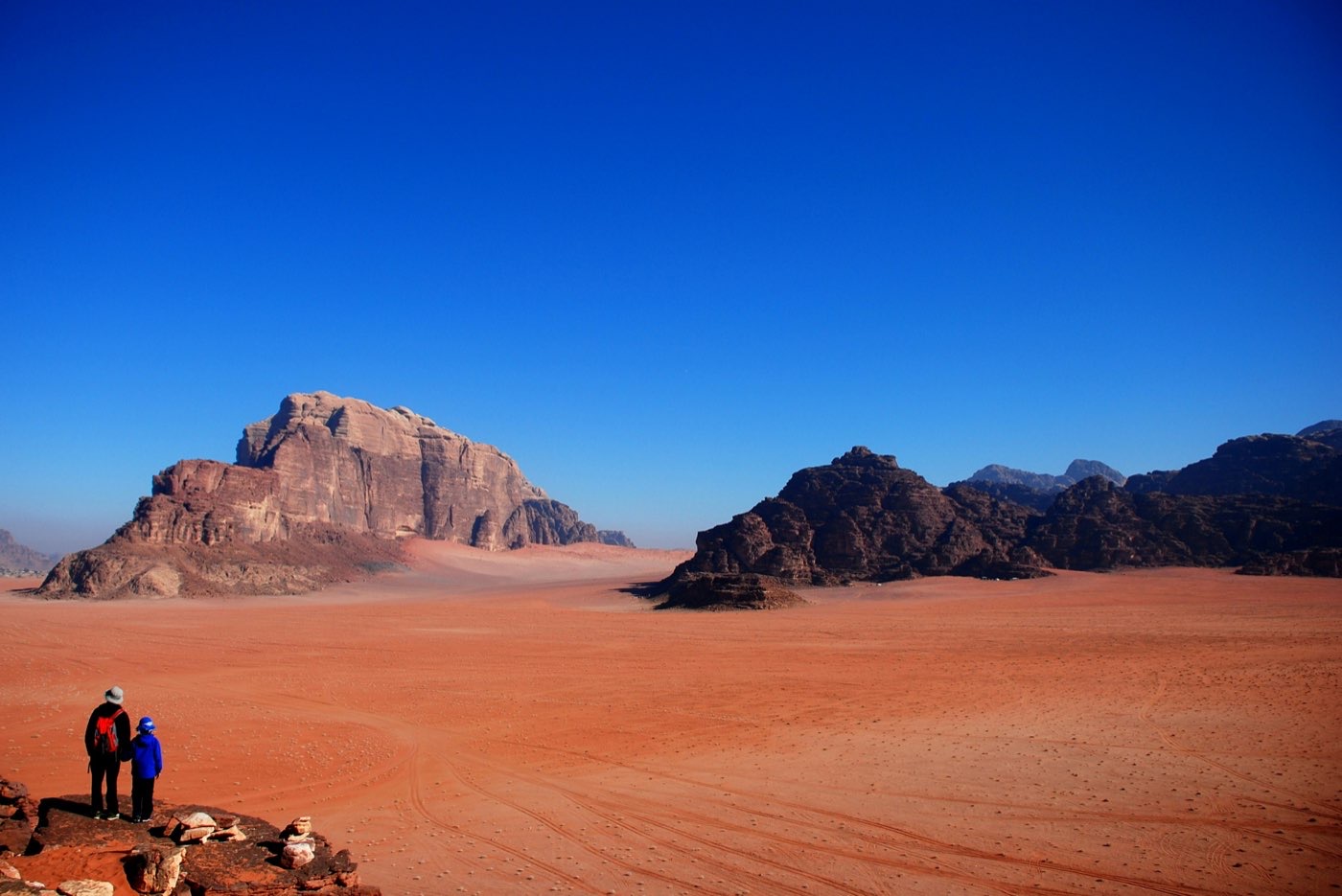
Jordan combines three of the world’s most extraordinary sites - Petra, Wadi Rum, and the Dead Sea - with a compact geography that makes a 7–10 day first visit genuinely comprehensive. This guide covers everything you need before you land: the Jordan Pass calculation, the classic itinerary, how to get around, what it will cost, and how to navigate the cultural context respectfully.
The Jordan Pass - Run the Numbers First
Before booking anything, work out whether the Jordan Pass makes sense for your trip. The Jordan Pass (jordanpass.jo) combines the tourist visa fee with entry to 40+ attractions.
The comparison:
| Option | Cost |
|---|---|
| Visa on arrival (JOD 40) + Petra 1 day (JOD 50) | JOD 90 |
| Visa on arrival (JOD 40) + Petra 2 days (JOD 100) | JOD 140 |
| Jordan Pass 1 (visa + 1 day Petra) | JOD 70 |
| Jordan Pass 2 (visa + 2 days Petra) | JOD 75 |
| Jordan Pass 3 (visa + 3 days Petra) | JOD 80 |
The Jordan Pass also includes (at no extra cost): Jerash (JOD 10 standalone), Amman Citadel (JOD 3), Ajloun Castle (JOD 2), Umm Qais (JOD 3), and around 40 other sites.
Condition: You must stay a minimum of 3 nights in Jordan for the visa waiver to apply. If you are on a day trip from Israel, the pass does not cover the visa.
For most first-time visitors spending 7+ nights in Jordan and visiting Petra, the Jordan Pass 2 or 3 is straightforwardly better value than paying separately.
The Classic First-Time Itinerary (7–10 Days)
The most logical route follows geography from north (Amman) to south (Aqaba), with the Dead Sea as a final detour:
Days 1–2: Amman Arrive at Queen Alia International Airport. Collect your Jordan Pass visa at immigration (or purchase visa on arrival). Settle into Amman - the city’s hills, the Roman Citadel, the Jordan Museum (one of the region’s best), and the Downtown souk area are all within a short drive. Day 2: day trip to Jerash (48km north, 45 minutes). The Roman ruins at Jerash are among the best-preserved in the world and take 2–3 hours comfortably.
Day 3: Madaba and Mount Nebo 30km south of Amman. The Church of St George’s mosaic floor (a 6th-century map of the Holy Land) and Mount Nebo’s panoramic view over the Dead Sea and Jordan Valley take a half-day. Continue to Petra (3 hours on the King’s Highway - a slower but more scenic alternative to the Desert Highway).
Days 4–5: Petra Two days at Petra is the minimum that does the site justice. Day 1: the classic route - Siq, Treasury, Street of Facades, Royal Tombs, Colonnaded Street, Qasr al-Bint. Day 2: the Monastery (Ad Deir) - 800 steps, a longer hike, and a different side of Petra entirely. Both days should start at 06:00 opening time.
Day 6: Wadi Rum Two hours south of Petra. Check in to your desert camp by early afternoon. Sunset jeep tour across the desert (standard duration 2 hours, approximately JOD 20–30 per person through your camp). Evening: zarb dinner (underground Bedouin oven) and stargazing. One night in Wadi Rum is sufficient for first-timers; two nights is better.
Days 7–8: Aqaba Jordan’s only coastal city. Red Sea diving and snorkelling, the beach resort strip, and a relaxed pace before departure. Fly home from Aqaba airport (small, efficient) or road-transfer back to Amman (4 hours) for international connections.
Optional Day 9–10: Dead Sea The Dead Sea is roughly 50km from Amman on the return from Aqaba, or accessible as a separate detour from Amman. Half a day is sufficient for the floating experience; overnight at a Dead Sea resort is a worthwhile indulgence for the mineral spa treatments.
Getting Around Jordan
No train network. Jordan has no passenger rail.
JETT Buses The Jordan Express Tourist Transport (jett.com.jo) is the most reliable public option:
- Amman (7th Circle station) to Aqaba: JOD 8 one-way, approximately 4 hours
- Amman to Petra (Wadi Musa): JOD 10 one-way, approximately 3 hours
- Book ahead online or at the JETT station - seats fill up
Car Hire The most flexible option. Jordan’s main roads are well-signed and in reasonable condition. Costs approximately JOD 25–45 per day for a standard car from Amman. International Driving Permit may be required by some companies - check when booking. The King’s Highway between Madaba and Petra (via Dana and Kerak) requires a competent driver comfortable with mountain roads.
Taxis and Ride-Hailing in Amman Use Uber or Careem rather than negotiating with street taxis. The apps provide metered fares and a journey record. Outside Amman, negotiate a fixed fare before entering a taxi and confirm it clearly. For a pre-booked airport transfer from Queen Alia International Airport, Welcome Pickups provides fixed-price rides with English-speaking drivers - useful for a first arrival when you want certainty on cost and don’t want to queue for a taxi.
Minibuses (service taxis) Shared minibuses (known as service taxis) connect most towns and are inexpensive but slow and schedule-uncertain. Acceptable for budget travellers with time; not the most efficient option.
Currency: The Jordanian Dinar
1 JOD = approximately USD 1.41 / EUR 1.30 / GBP 1.12 (as of 2026 - rates fluctuate; verify before travel).
The JOD is pegged to the USD, so USD is accepted as cash at most tourist sites and businesses, though you receive change in JOD.
Jordan’s currency is non-decimal: 1 JOD = 1,000 fils. Prices are often expressed in fractions of a dinar (e.g. 500 fils = half a dinar = JOD 0.500).
ATMs: Available at the airport and throughout Amman. In Wadi Musa and Aqaba they exist but can run low on cash during peak season - withdraw from Amman. Visa and Mastercard are widely accepted at hotels; many restaurants and all local markets are cash-only.
Tipping Culture
Tipping in Jordan is expected but not universally standardised:
- Restaurants: 10% is standard at sit-down restaurants. Check whether service charge is already included.
- Taxis: Round up to the nearest dinar.
- Hotel staff: JOD 1–2 for porters and housekeeping.
- Guides: JOD 5–10 for a half-day tour, JOD 10–20 for a full day.
- Petra donkey and camel rides: If you take them, tip the handlers JOD 1–2.
Ramadan: Timing and What to Expect
Ramadan is the month of daytime fasting for Muslims. It moves approximately 11 days earlier each year, so the impact on your trip depends on when you visit - check the Islamic calendar for the current year’s dates.
During Ramadan:
- Restaurants: Many local restaurants in Amman close during daylight hours. Tourist-focused restaurants continue serving. All restaurants open at iftar (sunset).
- Alcohol: Less available than usual; some hotel bars reduce or suspend service.
- Timing: The pre-dawn meal (suhoor) means late-night activity in cities; the iftar meal at sunset creates a festive communal atmosphere in restaurants and public spaces.
- Etiquette: Eating, drinking, or smoking publicly in front of fasting Muslims during daylight hours is considered impolite. Eat and drink in your accommodation or in restaurant settings.
If Ramadan falls during your visit, the atmosphere it creates is genuinely interesting and worth experiencing rather than avoiding.
Language
Arabic is the official language. English is widely understood in tourist areas, hotels, restaurants, and major sites. Outside of Amman, Petra, Aqaba, and Wadi Rum, English becomes less reliable - particularly in rural areas and small towns. Some basic Arabic phrases (thank you: shukran; hello: marhaba; yes/no: naam/la) are appreciated and will be met warmly.
Religion and Cultural Etiquette
Jordan is a Muslim-majority country (approximately 92–95% Muslim). A practicing Christian minority lives particularly in Madaba, Fuheis, and parts of Amman.
Call to prayer: The adhan sounds five times daily, including before dawn. The Fajr call at around 04:00–05:00 is worth factoring into your hotel choice - accommodation near large mosques will wake you.
Friday: The Islamic weekend day. Main Friday prayer is at approximately 12:00–13:00. Many businesses close or reduce hours around this time; tourist sites and restaurants remain open.
Mosque visits: Non-Muslims are welcome in most Jordanian mosques outside prayer times. Remove shoes before entering. Women cover their hair with a scarf. Modest dress for all.
Physical contact: Shaking hands is standard between men. Between mixed genders, follow the local person’s lead - some will extend a hand, others will not.
SIM Cards and Internet
Buy a SIM card at Queen Alia International Airport on arrival. The three main operators are Zain, Orange, and Umniah. A tourist SIM with approximately 10GB of data costs JOD 5–10. Registration requires your passport. Alternatively, a Jordan eSIM can be activated before you board and avoids the airport queue entirely.
Coverage is good throughout Amman, Petra, Aqaba, and Jerash. In Wadi Rum’s deep desert and parts of Dana, signal can be patchy - download offline maps before leaving your hotel.
Airport SIM counters are on the arrivals level after customs. No appointment or advance registration is needed.
Useful Apps
- Uber / Careem: For taxis in Amman
- Google Maps offline: Download Jordan before travel
- Jordan Pass: Download the app and store your pass digitally
- Visit Jordan: Official tourism board app with site information
- Currency converter: For quick JOD/USD/EUR conversions in markets
When to Visit Jordan
Jordan is a year-round destination, but the month you travel shapes the experience significantly.
Spring (March–May) is the most popular window. Temperatures are mild - 16–24°C in Amman and Petra - wildflowers appear in Dana and Ajloun, and Wadi Rum is comfortable all day. It is also the busiest and most expensive period. March offers the lowest spring crowds and the Jordan Rally; April is peak season with the best weather but premium hotel rates; May is warm enough that early-morning Petra starts are essential.
Autumn (September–November) is the equal of spring in most respects. The summer heat has broken by mid-September, sites are quieter than spring, and hotels drop rates. September brings residual warmth with fewer visitors; October is ideal across all sites; November cools noticeably and Wadi Rum nights require a warm layer.
Summer (June–August) is viable if your trip centres on Aqaba diving and beach time. Amman and Petra in July and August are genuinely hot (35–40°C by midday), so early morning visits to archaeological sites are essential. June is the most manageable summer month; July and August are the hottest and quietest at Petra, but excellent for the Red Sea coast.
Winter (December–February) brings the lowest prices and fewest crowds. Wadi Rum nights can drop to 0°C; Amman sees occasional rain. The Dead Sea and Aqaba remain mild. December is good for the Dead Sea; January and February offer the clearest skies for Wadi Rum stargazing and uncrowded Petra days.
Continue planning: Jordan Pass Guide · Jordan Visa Guide · Jordan Packing List · Jordan on a Budget · Jordan Money Guide · Jordan eSIM Guide · Basic Arabic Phrases · Jordan Safety Guide
Plan Your Trip
✈️ Book your flights to Jordan 🛡️ Get travel insurance 📱 Stay connected with an eSIM 🚗 Rent a car