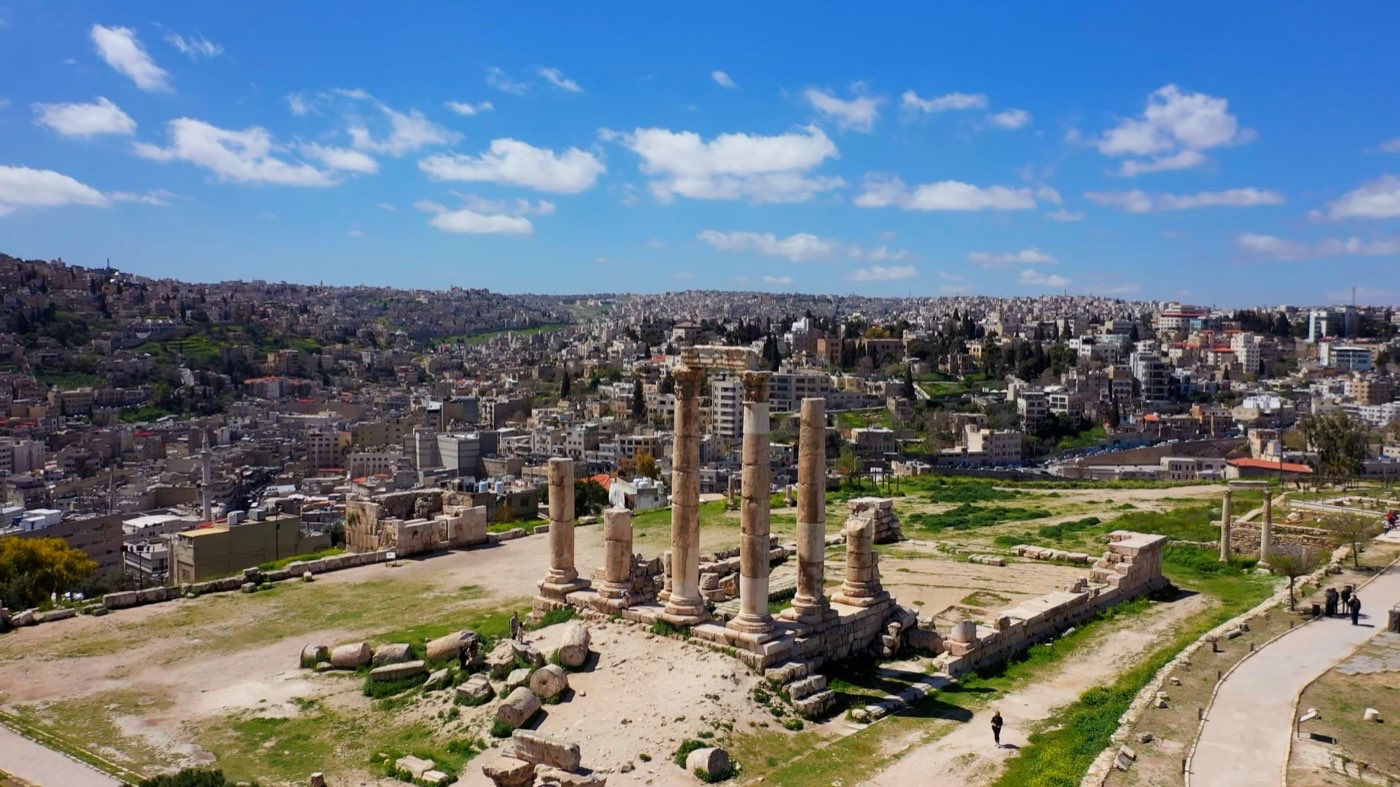
Jordan consistently ranks among the safest countries in the Middle East for international visitors, and the day-to-day experience for most tourists reflects that - low petty crime, a welcoming population, well-staffed tourist infrastructure, and a government that invests substantially in maintaining stability. The risks that do exist are specific and manageable. Here is an honest assessment.
Overall Safety Assessment
The UK Foreign, Commonwealth and Development Office (FCDO) and the US State Department both rate the vast majority of Jordan as safe to travel (as of 2026 - always check current guidance at gov.uk/foreign-travel-advice/jordan and travel.state.gov before departure, as assessments can change).
Jordan has maintained internal stability through decades of regional turbulence. The country has a functioning judiciary, a professional security service, and a long track record of protecting its tourist economy. The royal family’s role in maintaining stability is widely understood within Jordan. Violent crime against tourists is rare.
Petty Crime
Petty crime is lower in Jordan than in most European capitals. Pickpocketing is not a significant issue at major tourist sites. The main watch-points:
- Downtown Amman souks: Keep wallets in front pockets and watch bags when it is crowded
- Negotiating taxis: Use Uber or the Careem app in Amman to avoid fare disputes - these are the most common visitor friction points, not safety issues
- Wadi Musa (Petra’s village): Occasional overcharging by souvenir vendors and unofficial guides - not crime, but worth being aware of
Road Safety
Road accidents are a more realistic risk than crime for most visitors. Jordanian driving culture is aggressive by Western European standards. Overtaking on blind corners, excessive speed on the Desert Highway, and poorly lit rural roads are all documented hazards. If you hire a car:
- Drive defensively and allow extra space
- Avoid driving after dark on rural roads where possible
- The Dead Sea Highway and Desert Highway (Amman to Aqaba) have significant truck traffic - overtaking requires caution
JETT buses are a safer option for the Amman–Petra and Amman–Aqaba routes.
Border Regions - Areas to Avoid
Jordan’s government advisories align with international travel advice on specific border areas:
North and Northeast Jordan (Syrian and Iraqi borders) The FCDO advises against all travel within 3km of the Syrian border and to areas north of Ar Ramtha and east of Al Azraq. These regions are in the remote north and northeast of the country and are entirely off the tourist trail. All visitor destinations - Amman, Petra, Wadi Rum, Aqaba, Jerash, Madaba, the Dead Sea - are well clear of these zones.
Badia region (far east) The eastern desert (Badia) near the Iraq border has heightened security presence. Visitors do not typically travel here, and there is nothing of tourist interest in the restricted areas.
The sites every tourist visits are categorically not near these areas. Wadi Rum, for example, is in the south - far from any northern border concern.
Health and Medical
Vaccinations: There are no mandatory vaccinations for entry into Jordan. The NHS, CDC, and equivalent bodies recommend considering: Hepatitis A, Hepatitis B, Typhoid, and ensuring standard vaccinations (MMR, tetanus, diphtheria) are up to date. Rabies vaccination is worth considering if you plan extended rural hiking. Check with your GP or travel health clinic at least 4–6 weeks before departure.
Medical facilities: Amman has good private hospitals - the Jordan Hospital and Islamic Hospital in Amman are the most commonly recommended for expats and tourists. Outside Amman, medical facilities become limited. Aqaba has a reasonable hospital; Wadi Musa (for Petra) has a small clinic. Comprehensive travel insurance with medical evacuation cover is strongly advisable.
Water: Tap water in Jordan is technically safe but heavily chlorinated and frequently tastes poor. Bottled water is cheap and universally available - JOD 0.30–0.50 for a 1.5-litre bottle. Use bottled water for drinking and brushing teeth.
Heat illness: In summer months (June–September), heat exhaustion and dehydration are genuine risks, particularly at Petra where the enclosed canyon retains heat. Drink 2–3 litres of water per day minimum in summer. Symptoms of heat exhaustion (dizziness, rapid heartbeat, cessation of sweating) require moving to shade, rehydrating, and seeking medical advice.
Solo Female Travel
Jordan is generally considered one of the more welcoming Middle Eastern countries for solo female travellers. Most women travelling alone report positive experiences. Specific points:
Dress: Modest dress - covering shoulders and knees - is expected at religious sites and in traditional areas, and reduces unwanted attention in general. In Aqaba and at resort hotels, Western dress standards are widely accepted.
Harassment: Verbal attention (comments, invitations, questions) from men is more common in Amman’s downtown and bus stations than in other areas. It is rarely threatening but can be wearing. Ignoring it entirely and maintaining confident body language is the standard approach. The tourist police at major sites are approachable and helpful.
Accommodation: Single women travelling alone face no discrimination when booking hotels. Homestays and guesthouses are generally fine; it is worth reading recent reviews specifically from solo female travellers on booking platforms.
Taxis: Use Uber or Careem in Amman rather than street taxis. The app removes fare negotiation and provides a record of your journey. Outside Amman, arrange transport through your hotel.
Petra: The donkey and camel operators at Petra can be persistently pushy. A firm “no thank you” repeated without engaging in conversation is the most effective approach. The tourist police inside the site are present and visible.
LGBTQ+ Travel
Same-sex relationships are not explicitly criminalised under Jordanian law but are broadly unsupported culturally and legally. Public displays of affection between same-sex couples are inadvisable. Jordan is significantly more relaxed about LGBTQ+ travel than Saudi Arabia, but significantly less so than most of Europe. Amman’s LGBTQ+ community exists but operates quietly. Same-sex couples travelling to Jordan should exercise discretion in public.
Religious Sensitivities
Jordan is a Muslim-majority country. Respect for Islamic practices is important:
- Call to prayer: Five times daily, including before dawn. Major mosques use loudspeakers - accommodation near mosques should be factored into your hotel choice
- Friday afternoon: The main Friday prayer means many shops and restaurants close from approximately 11:30–13:30
- Ramadan: During the month of Ramadan, eating, drinking, and smoking in public during daylight hours should be done privately. Most tourist restaurants serve food, but modifying your behaviour slightly shows respect
- Dress at religious sites: Mosques require covered heads for women and shoes removed for all. The Siq at Petra is not a religious site but dressing modestly across Jordan is a general courtesy
Emergency Contacts
Save these before you land. Numbers were checked against the Jordanian government’s contact page and the UK government’s list of medical facilities (as of 2026), but confirm anything critical before relying on it.
Emergency numbers
- Police: 191 is the number on the Jordanian government’s essential numbers page. Some older guides list 192, and travel sites often say 911 for everything, so if one line fails try the next. Operators may not speak fluent English, so state your location and a landmark clearly.
- Emergency medical services: 911 on the government page. Ambulance (direct): 193 is the long-standing medical line. Response times outside Amman can be slow, so in Amman a taxi to the nearest hospital is sometimes faster for non-critical cases.
- Fire (Civil Defence): 199.
- Tourist Police: +962 79 550 5755 (listed on the government’s essential numbers page). Officers are posted at Petra, Jerash, Wadi Rum and the main Amman sites, and are the best first stop for theft, harassment or guide disputes.
- Jordan Tourism Board assistance: +962 6 567 8294
Hospitals in Amman
Private hospitals are the usual choice for visitors and expect payment or proof of insurance, so keep your policy number to hand (see our travel insurance guide). Phone numbers below come from the UK government’s medical facilities list.
- Jordan Hospital (Shmeisani): +962 6 560 8080
- Istishari Hospital (King Abdullah Gardens area): +962 6 500 1000
- Al Khalidi Hospital and Medical Center (Jabal Amman, near the 4th Circle): +962 6 464 4281
- Arab Medical Centre (Jabal Amman, 5th Circle): +962 6 592 1199
Outside Amman, Aqaba, Petra (Wadi Musa) and the Dead Sea area have clinics for minor problems; serious cases are normally transferred to Amman.
Embassy guidance
Register with your government’s travel registration service before departure and keep a photocopy of your passport separate from the original. Embassies are in Amman, and public access is often by appointment only, so phone first.
- US Embassy Amman: +962 6 590 6000 (after-hours emergencies +962 6 590 6500). Check travel.state.gov for current instructions.
- British Embassy Amman: +962 6 590 9200, then follow the prompts for a consular officer. See gov.uk/world/organisations/british-embassy-amman.
- Other nationalities: search your foreign ministry’s site for “embassy Amman” before travelling and save the 24-hour consular line.
Embassy hours and access rules change with the regional security situation, and the US Embassy has recently been offering limited consular services by appointment only, so treat these numbers as a starting point and verify them on the official sites.
Related guides: First Time in Jordan · Travel Insurance for Jordan · Jordan Visa Guide · Basic Arabic Phrases
Plan Your Trip
✈️ Book your flights to Jordan 🛡️ Get travel insurance 📱 Stay connected with an eSIM 🚗 Rent a car