History & Ruins
Bedouin Culture in Jordan: Tribes, Traditions & Desert
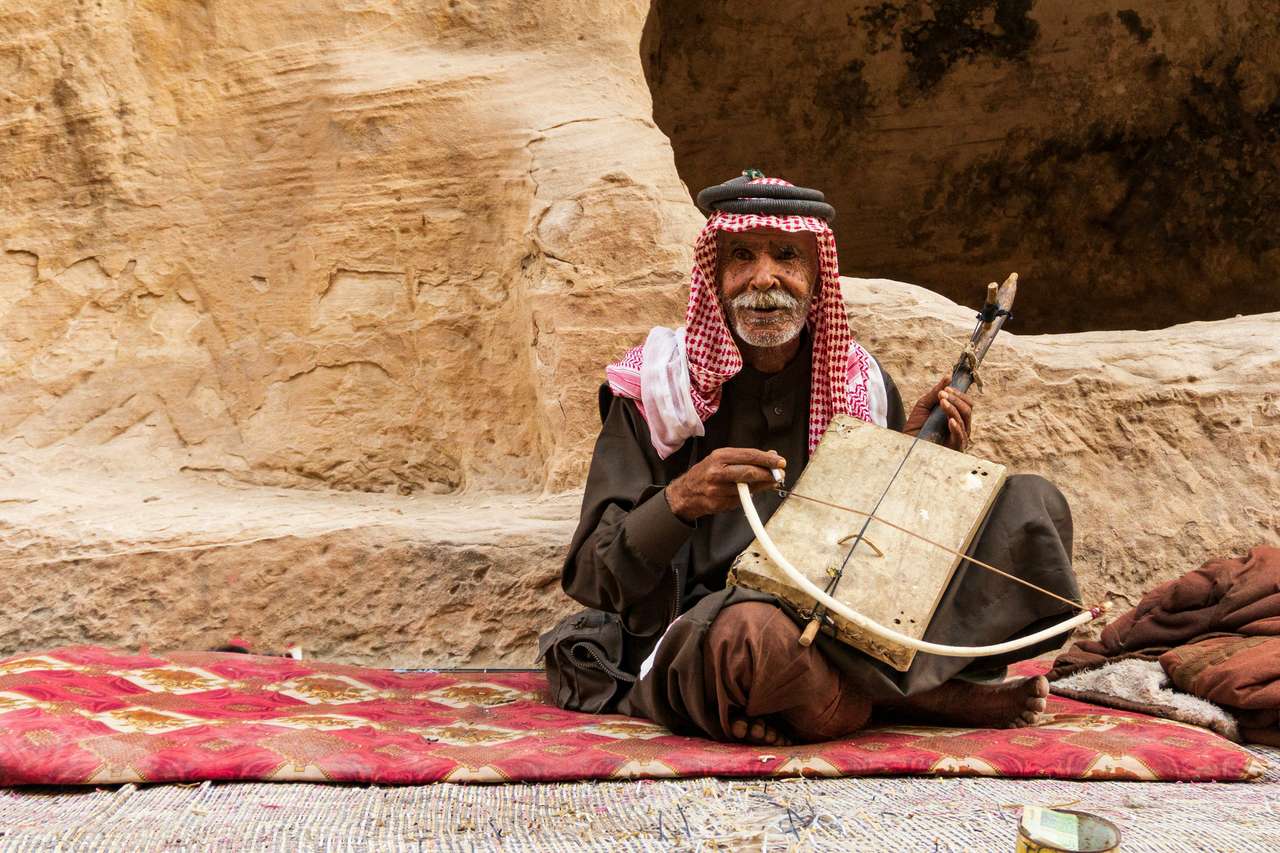
Jordan's Bedouin tribes (Howeitat, Beni Sakhr, Rwala, Azazmeh) shaped desert culture for centuries. Meet them, share Mansaf, and travel with them.
Ancient History
Jordan sits at the crossroads of ancient civilisations. The Nabataean Arabs carved Petra into rose-red sandstone cliffs 2,000 years ago and controlled the incense trade routes between Arabia and the Mediterranean. Before them, Bronze Age settlements, Iron Age kingdoms, and Egyptian influence all left marks on this landscape.
Jerash, one of the best-preserved Roman cities in the world, still has standing temples, colonnaded streets, and amphitheatres. Byzantine Christians built churches across the region: the Madaba Map, a 6th-century mosaic depicting the Holy Land, is still visible on a church floor. Crusader castles at Karak and Ajloun command the same hilltop positions they held 900 years ago. Jordan rewards slow, curious visitors.
Jordan's Bedouin tribes (Howeitat, Beni Sakhr, Rwala, Azazmeh) shaped desert culture for centuries. Meet them, share Mansaf, and travel with them.
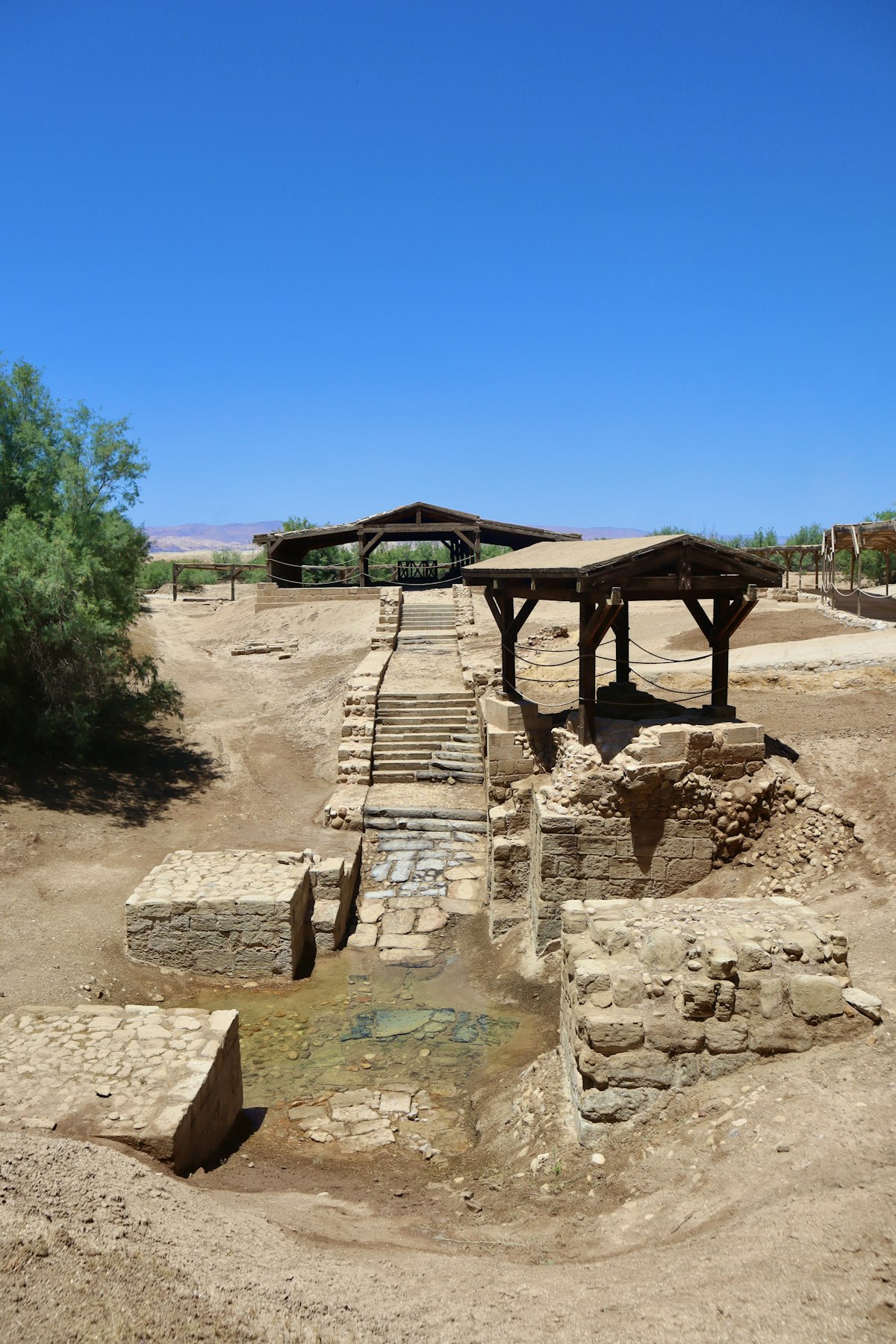
Everything you need to know before visiting Al-Maghtas, Jordan's UNESCO-listed Baptism Site: tours, entry fees, opening hours, and how to get there.
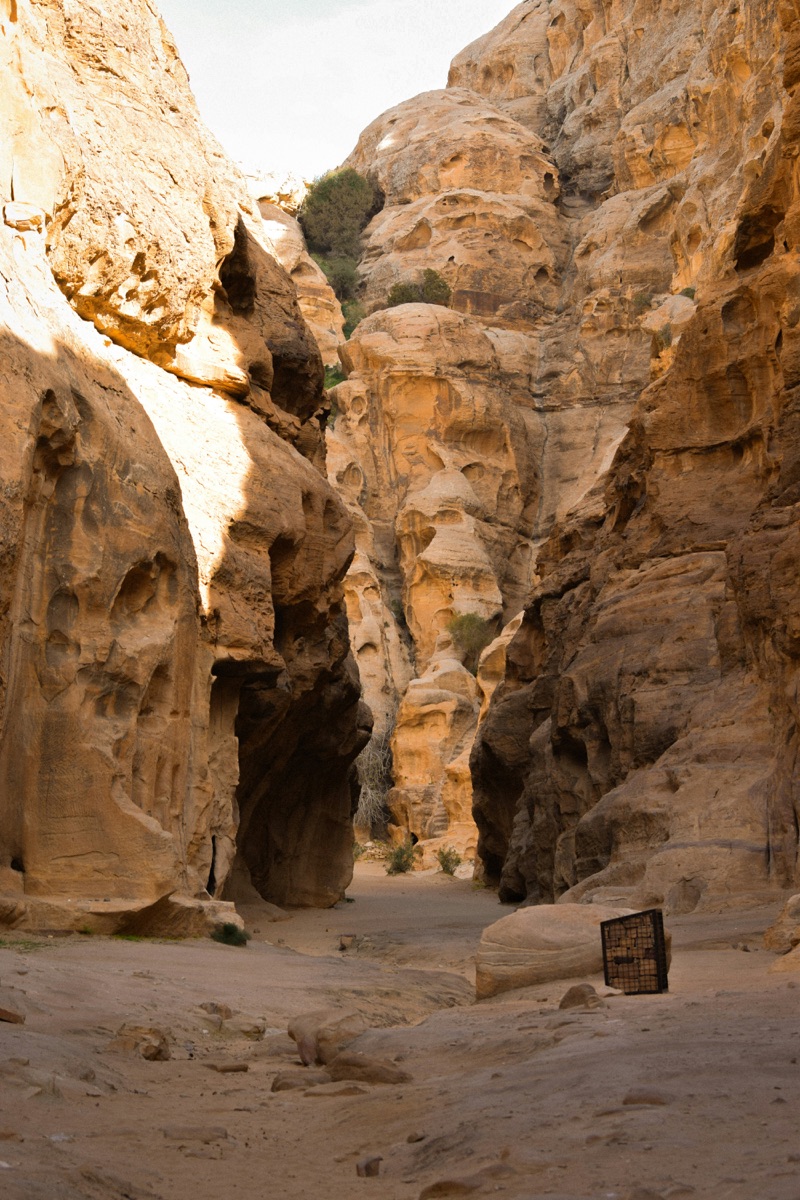
Little Petra (Siq al-Barid) is a free Nabataean canyon 10km north of Petra with painted ceilings, carved facades, and almost no crowds.
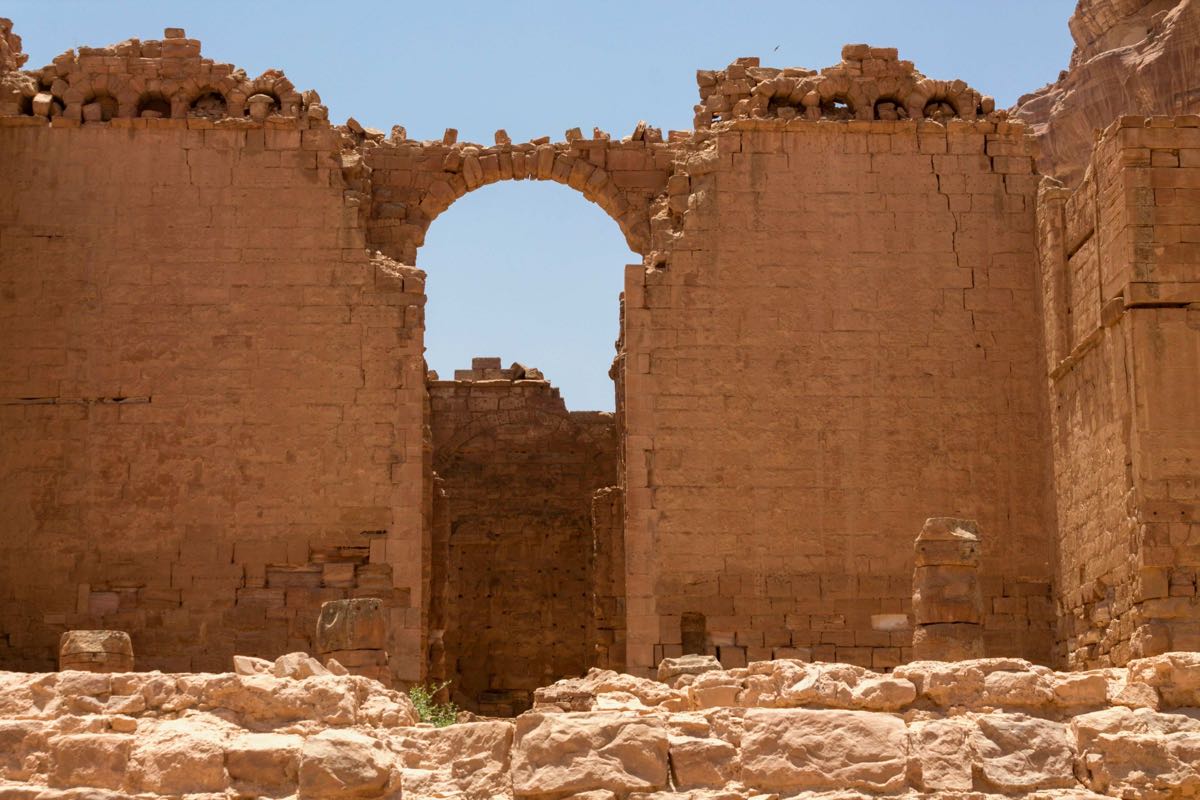
Jordan's Crusader and Ayyubid castles: Karak, Ajloun and Shobak. Medieval power struggles on the King's Highway. Entry fees, hours and visit tips.
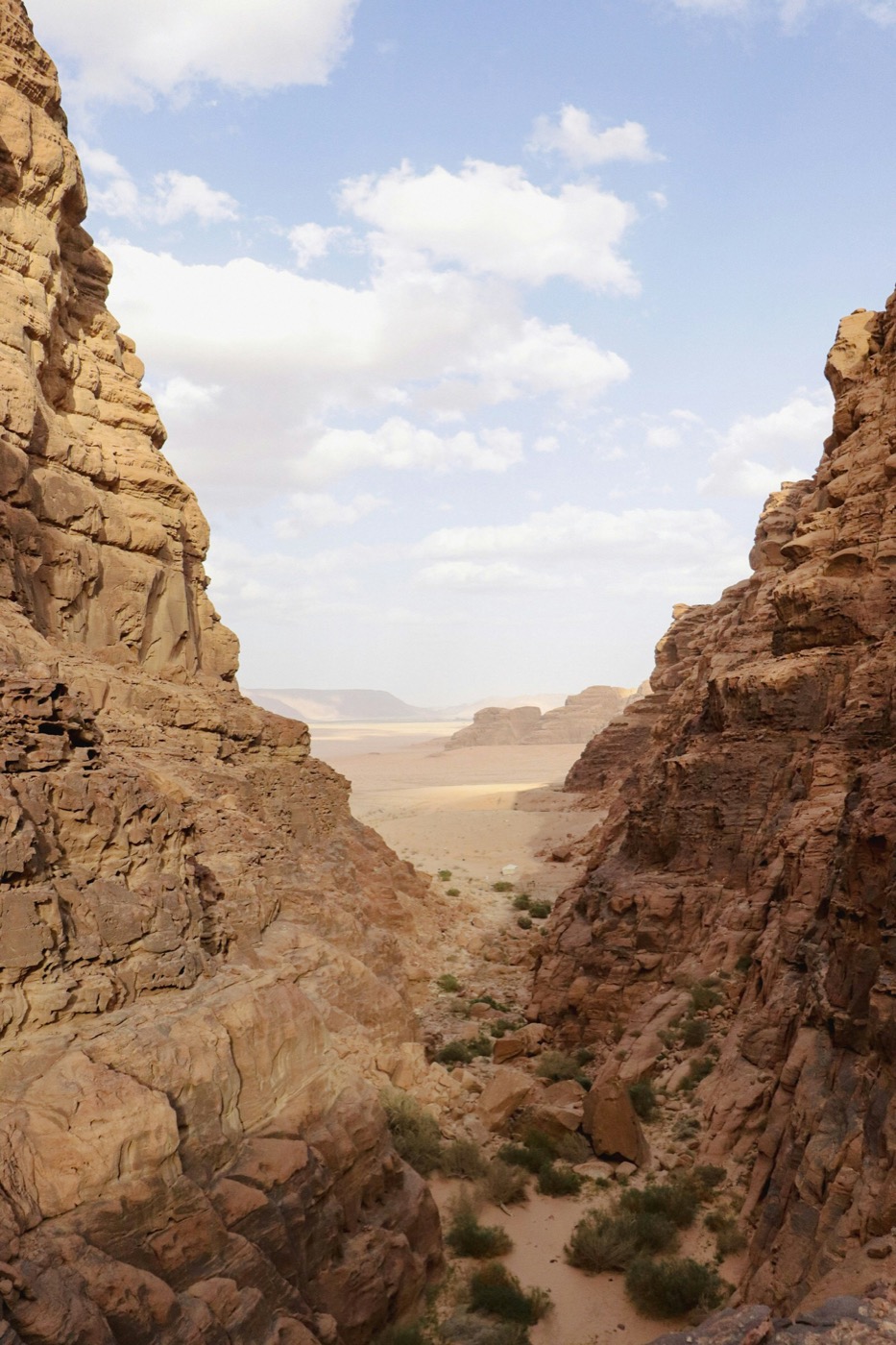
T.E. Lawrence used Wadi Rum as a base during the 1917–18 Arab Revolt. How the desert shaped the campaign and what remains to visit today.
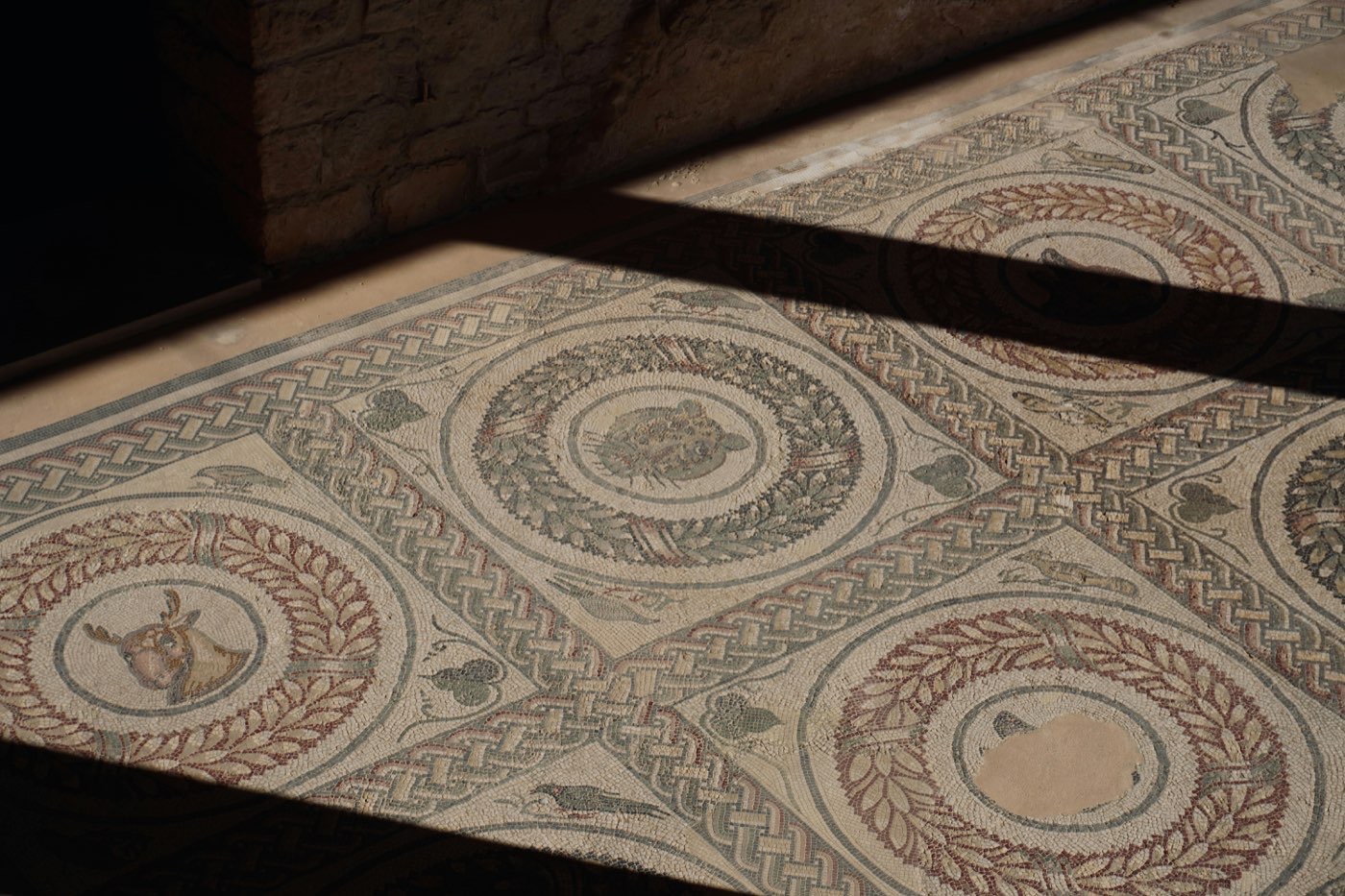
Byzantine mosaics: Madaba Map (free), Mount Nebo (JOD 2), Umm ar-Rasas (JOD 3). 30km from Amman (JOD 0.5–1 minibus). Guided day tours from JOD 30–50.
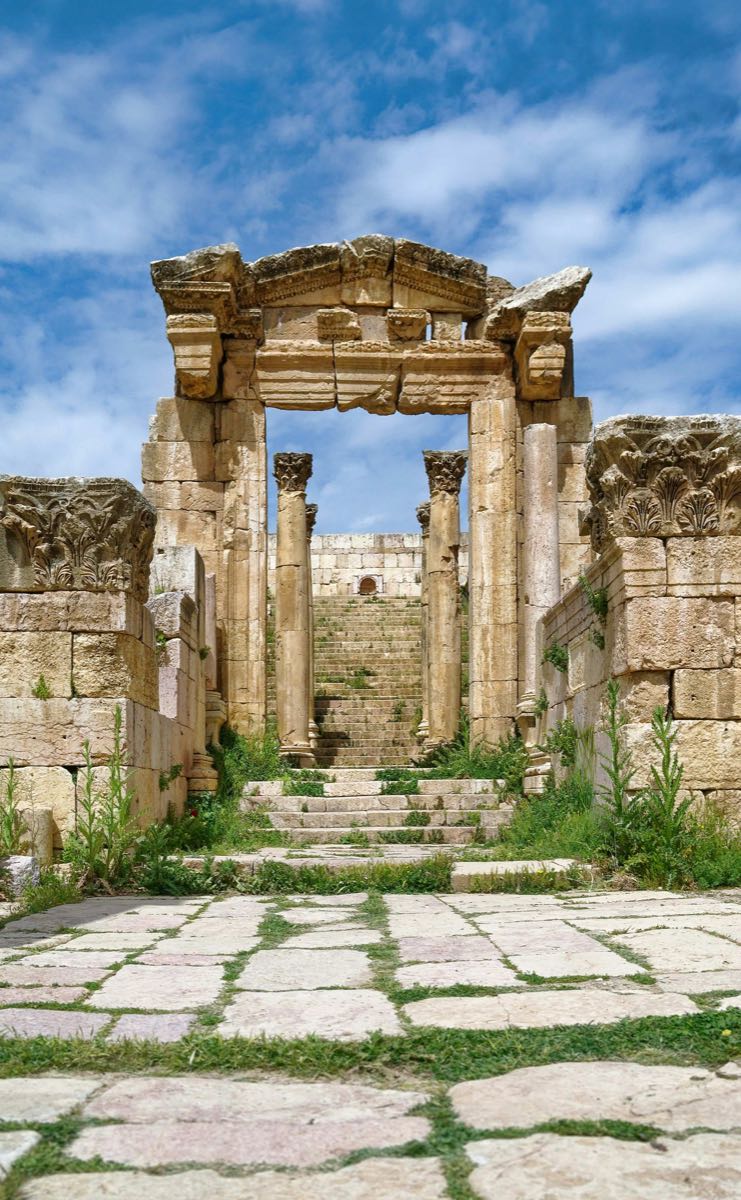
Jerash (ancient Gerasa) is among the best-preserved Roman cities on earth. History of the Decapolis city, what to see, entry fees, and how to get there.
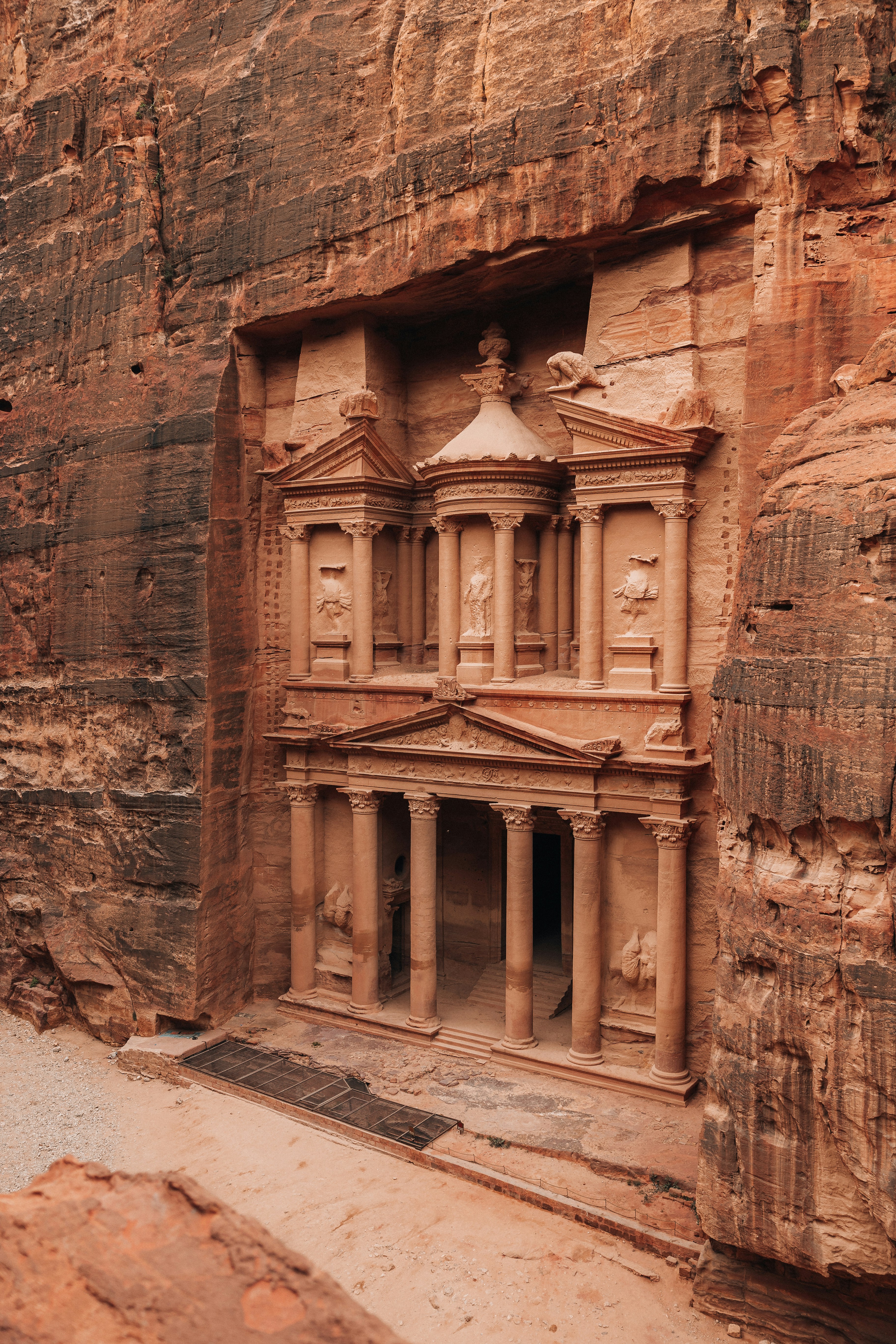
How the Nabataean Arabs built Petra into a desert empire on incense trade routes: and what shaped the rose-red city from antiquity to rediscovery.
Nabataean, 4th century BCE – 106 CE
Jordan's most visited site: a city carved from rose-red sandstone cliffs by the Nabataean Arabs. The Treasury, the Monastery, the Royal Tombs, and the Siq. Allow a full day minimum.
Guide to Petra →Roman, 1st–3rd century CE
One of the world's best-preserved Roman provincial cities. The Oval Plaza, Hadrian's Arch, the South Theatre, and the colonnaded Cardo Maximus are all intact and walkable.
Guide to Jerash →Byzantine, 5th–6th century CE
The City of Mosaics: dozens of Byzantine-era mosaic floors have been discovered here. The Madaba Map in St George's Church is a 6th-century mosaic map of the Holy Land, still visible in the church floor.
Guide to Madaba →Crusader, 12th century CE
A large Crusader fortress built by the Knights of the Hospital in 1142. Taken by Saladin in 1189. The castle sits on a promontory above the town with commanding views of the Dead Sea valley.
Guide to Karak Castle →Hellenistic-Roman Gadara
The ancient city of Gadara (one of the Decapolis cities), overlooking the Yarmouk Valley and the Sea of Galilee. Dramatically situated with panoramic views into Syria, Israel, and Jordan.
Guide to Umm Qais →Ayyubid, 12th century CE
Built by Saladin's general in 1184 to defend against Crusader expansion. A striking fortification on a hilltop in the northern highlands, surrounded by oak and pine forest.
Guide to Ajloun Castle →Book an experience
Best price guaranteed · Instant confirmation · Free cancellation on most bookings
Explore Jordan's ancient world