Madaba Jordan: City of Mosaics Guide
Explore Madaba, Jordan's City of Mosaics: the 6th-century Byzantine map, mosaic schools, Mount Nebo, and what to know before visiting.
Guides for Madaba
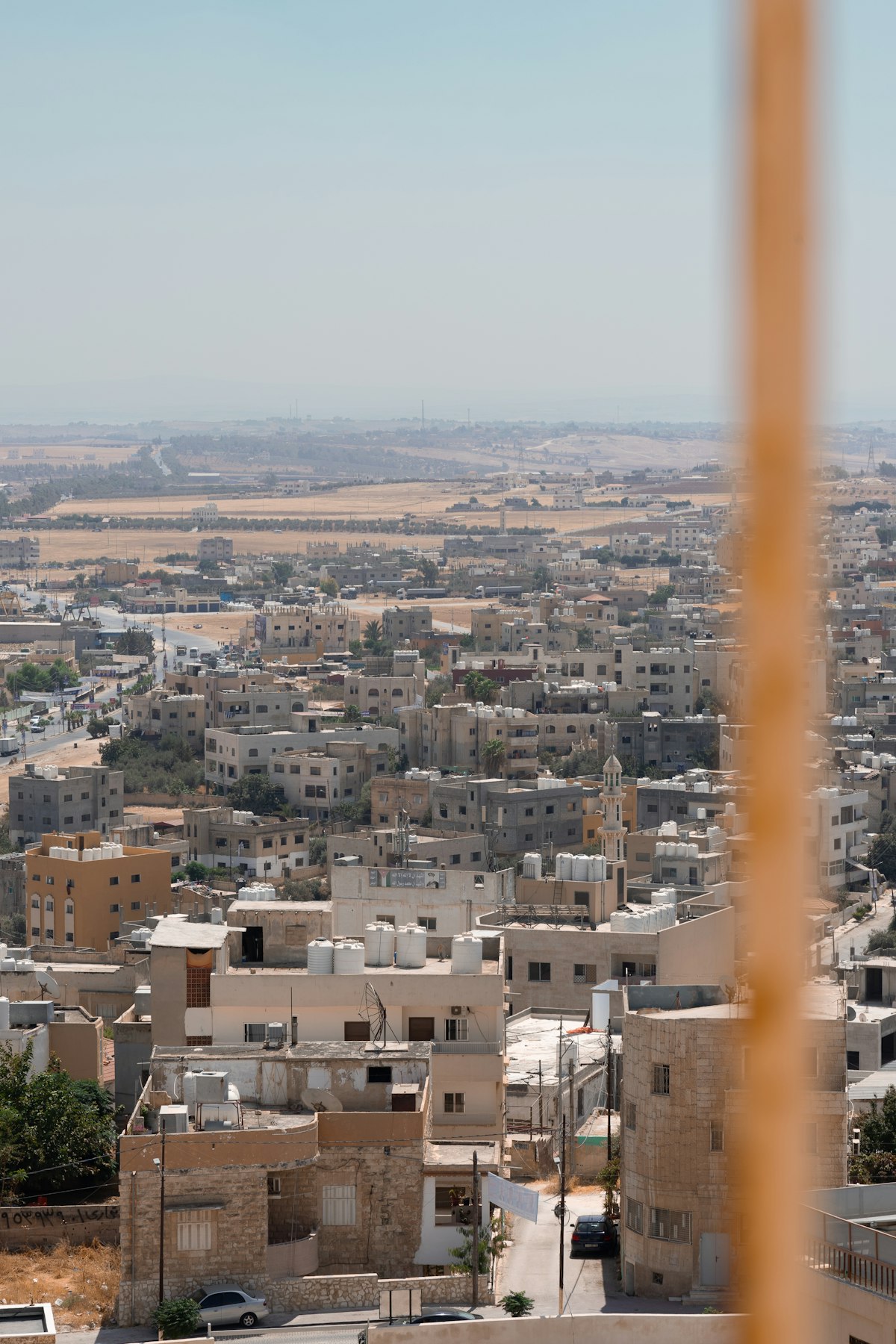
Madaba earned its designation as the City of Mosaics through documented history rather than marketing. The town sits on the ancient King’s Highway - the north-south trade route that predates the Roman roads - and its Christian community has produced Byzantine mosaic art continuously since the 5th century CE. The mosaics are not in a museum removed from their context; they are in churches, under streets, and embedded in the floors of private houses across the modern city.
The centrepiece is the map in St George’s Church, which alone justifies the trip from Amman. But Madaba is genuinely worth a half-day of exploration beyond the church, and it serves as a practical base for Mount Nebo and the Dead Sea.
Getting to Madaba
Madaba is 30 km southwest of Amman - approximately 40 minutes by car via the Airport Road and then south on the King’s Highway.
Public buses from Amman’s South Bus Station (Wahdat) run to Madaba for approximately JOD 0.50 per person. Services are frequent, running every 20–30 minutes through the day. The bus drops passengers in central Madaba, within walking distance of the main sites.
A private taxi from central Amman costs approximately JOD 12–18. Many visitors combine Madaba with Mount Nebo and the Dead Sea on a single day trip - this is most efficiently done with a rented car or a hired driver for the day (approximately JOD 40–60 for a full-day private car from Amman).
From Queen Alia International Airport, Madaba is 30 km northeast - a 30-minute drive. Travellers arriving late or departing early sometimes stay one night in Madaba rather than the more expensive hotels near the airport.
St George’s Greek Orthodox Church and the Madaba Map
The church itself is a working parish, not an archaeological site. Services are held here, and the congregation has maintained the mosaic since its rediscovery in 1884 during construction of the current church on the site of the earlier Byzantine building.
The Madaba Map occupies the floor of the nave. What you see now is approximately one-third of the original mosaic - the rest was damaged during construction and over centuries of wear. Even the surviving portion contains over two million tesserae, each piece cut and placed by hand. The scale is surprising when you see it in person: the full map originally measured roughly 21 by 7 metres.
Jerusalem is depicted at the centre, shown in extraordinary detail - the Church of the Holy Sepulchre is identifiable, as are the main streets, gates, and colonnaded roads of the Byzantine city. The Dead Sea is shown to the east, with fish swimming in it and one fish turning back from the Jordan River mouth, apparently preferring the river’s fresh water.
Entry is free. Opening hours are approximately 08:00–18:00, with shorter hours on Sunday mornings when services run. Dress modestly.
Madaba Archaeological Park
The park, approximately 300 metres from St George’s Church, covers excavated sections of the Byzantine-period city - a Roman street, the Church of the Virgin with its well-preserved mosaic floor, the Church of the Prophet Elias, and the Hippolytus Hall containing a mosaic depicting Greek mythological scenes.
Entry is approximately JOD 3 as of 2026. Opening hours are approximately 08:00–16:00 (08:00–18:00 in summer). The park is small enough to cover in 45 minutes but rewards careful attention - some of the mosaic detail in the Church of the Virgin is extraordinarily fine work for the 6th century.
Madaba Museum
The museum is housed in a restored Ottoman building adjacent to the main tourist sites. Its collection covers artefacts from the surrounding region spanning Neolithic through Islamic periods, with the mosaic collection as the centrepiece.
Entry is approximately JOD 2 as of 2026. Open 08:00–16:00, closed Tuesdays. The museum is smaller and less visited than the church and park - which makes it quieter and worth the short additional stop.
The Mosaic Schools and Living Craft Tradition
Madaba’s mosaic craft is still practised by working artists, not just displayed in museums. Several workshops and schools operate in the town, including the Jordan Mosaic Centre and the Madaba Mosaic School. At both, you can watch craftspeople cutting tesserae from coloured marble, glass, and stone, and assembling them into new commissions - everything from small decorative panels to full floor installations.
The technique being used is essentially identical to what produced the Byzantine maps: cut stone, set in mortar, grout with sand. The difference is the subject matter. Modern commissions tend toward decorative and souvenir work rather than liturgical cartography.
Finished mosaics are sold as keepsakes - small panels start from approximately JOD 15–30. Larger, higher-quality pieces run into hundreds of dinars. The quality varies between workshops; pieces made by the mosaic school students are often better value than the tourist-market shops near the main sites.
Mount Nebo: 9 km from Madaba
The ridge known as Mount Nebo is where Moses is said to have looked out over the Promised Land before his death. The Franciscan church built over the traditional site contains significant Byzantine mosaic floors, and the views on clear winter days extend west across the Jordan Valley to Jerusalem, Bethlehem, and in exceptional conditions the Mediterranean.
Entry to the Moses Memorial Church and viewpoint is approximately JOD 2 as of 2026. A small museum on-site displays excavated objects from the site and explains the biblical and archaeological context.
The best views come in January and February when the air is clear after rain. Summer haze often obscures the panorama entirely.
A taxi from Madaba to Mount Nebo and back, with 45 minutes of waiting time, costs approximately JOD 5–8 as of 2026.
Where to Stay in Madaba
Mariam Hotel is the most frequently recommended mid-range option in Madaba, located a short walk from the main sites. Rooms start from approximately JOD 30 per night as of 2026. The hotel has a rooftop terrace and a restaurant serving Jordanian food. Staff are experienced with the needs of travellers using Madaba as a base for Mount Nebo and the Dead Sea.
Mosaic City Hotel is a smaller property in the town centre with competitive rates starting from approximately JOD 25 per night as of 2026. Breakfast is included in most rates. The location is convenient for walking to all the main mosaic sites.
Both hotels can arrange shared or private transport to Mount Nebo, the Dead Sea, and Petra for guests who do not have their own vehicle. For additional options and neighbourhood notes, see the where to stay in Madaba guide.
Search hotels in Madaba on Booking.com
Where to Eat in Madaba
Haret Jdoudna is Madaba’s most-cited restaurant, set in a restored Ottoman courtyard house in the old quarter. The menu covers Jordanian and Levantine food - mansaf, grilled meats, salads, mezze - at approximately JOD 8–16 per person. The setting is genuinely attractive: tiled courtyard, outdoor seating in a covered terrace, traditional artefacts on the walls. Reservations are advisable for evening meals.
Ayola Coffeehouse near the archaeological park serves coffee, fresh juice, and light food. It is a reasonable spot for a mid-morning break between sites, with good coffee at approximately JOD 1.50–2.
For inexpensive local food, the market area around the main square has falafel and shawarma stands where a full meal costs under JOD 2.
Practical Notes
Madaba is approximately 70% Christian by population - one of the highest concentrations in Jordan. The town has a noticeably different atmosphere from Amman in this respect: churches and mosques stand in close proximity, and the social environment is generally relaxed.
The town is compact enough to cover on foot. The church, the archaeological park, the museum, and the main mosaic workshops are all within a 10-minute walk of each other.
Combining Madaba with Mount Nebo in the morning and the Dead Sea in the afternoon makes a full and efficient day from Amman - the sequence runs: Amman → Madaba (1.5 hours) → Mount Nebo (45 minutes) → Dead Sea (1.5–2 hours) → Amman. A car is required for this itinerary. To join a guided day tour from Amman that covers Madaba, Mount Nebo, and the Dead Sea without the driving, browse Madaba and Dead Sea day tours.
More in Madaba
- Things to Do in Madaba
- Getting Around Madaba
- Food to Try in Madaba
- Where to Stay in Madaba
- Byzantine Mosaics in Jordan: Madaba and Beyond
- Mount Nebo Guide
- Jordan Pass Guide
Planning an overnight near the mountain? Our Mount Nebo hotels guide compares stays by area and budget.
Upcoming Events in Madaba
Christmas Celebrations in Madaba 2026
Christmas in Madaba 2026, 24–26 December. Church services, street decorations, and events centred on the mosaic-floored Church of St George.
Book an experience
Top experiences in Madaba
Explore the best tours and activities in Madaba , with instant confirmation and free cancellation on most bookings.
Frequently Asked Questions
- What is the Madaba Map and why is it significant?
- The Madaba Map is a 6th-century CE Byzantine floor mosaic in St George's Greek Orthodox Church depicting the Holy Land, from Lebanon in the north to the Nile Delta in the south. It is the oldest surviving cartographic representation of the region and shows Jerusalem, the Dead Sea, the Jordan River, and major towns with remarkable geographical accuracy. It was likely created around 560 CE for use as a liturgical guide.
- Is entry to St George's Church free?
- Entry to the church is free, though a voluntary donation is customary. The church is an active place of worship - dress modestly (shoulders and knees covered) and observe quiet during services. Opening hours are approximately 08:00–18:00 daily, with shorter hours on Sunday mornings.
- Can I see mosaic artisans at work in Madaba?
- Yes. Several mosaic schools and workshops in Madaba offer open studios where you can watch craftspeople cutting and placing tesserae. The Jordan Mosaic Centre and the Madaba Mosaic School both welcome visitors. Some workshops also offer short hands-on sessions if arranged in advance.
- How do I get from Madaba to Mount Nebo?
- Mount Nebo is 9 km northwest of Madaba - approximately 15 minutes by car. A taxi from central Madaba costs approximately JOD 5–8 return with waiting time. There is no regular public bus to the summit. Most visitors combine Madaba and Mount Nebo in a half-day trip from Amman.
- Is Madaba suitable as a base for the Dead Sea and Mount Nebo?
- Yes - Madaba is well-positioned for both. The Dead Sea is approximately 37 km west (around 40 minutes by car). Mount Nebo is 9 km northwest. Amman is 30 km northeast. Staying one night in Madaba allows you to cover both Mount Nebo and the Dead Sea comfortably without the longer drive from Amman each day.