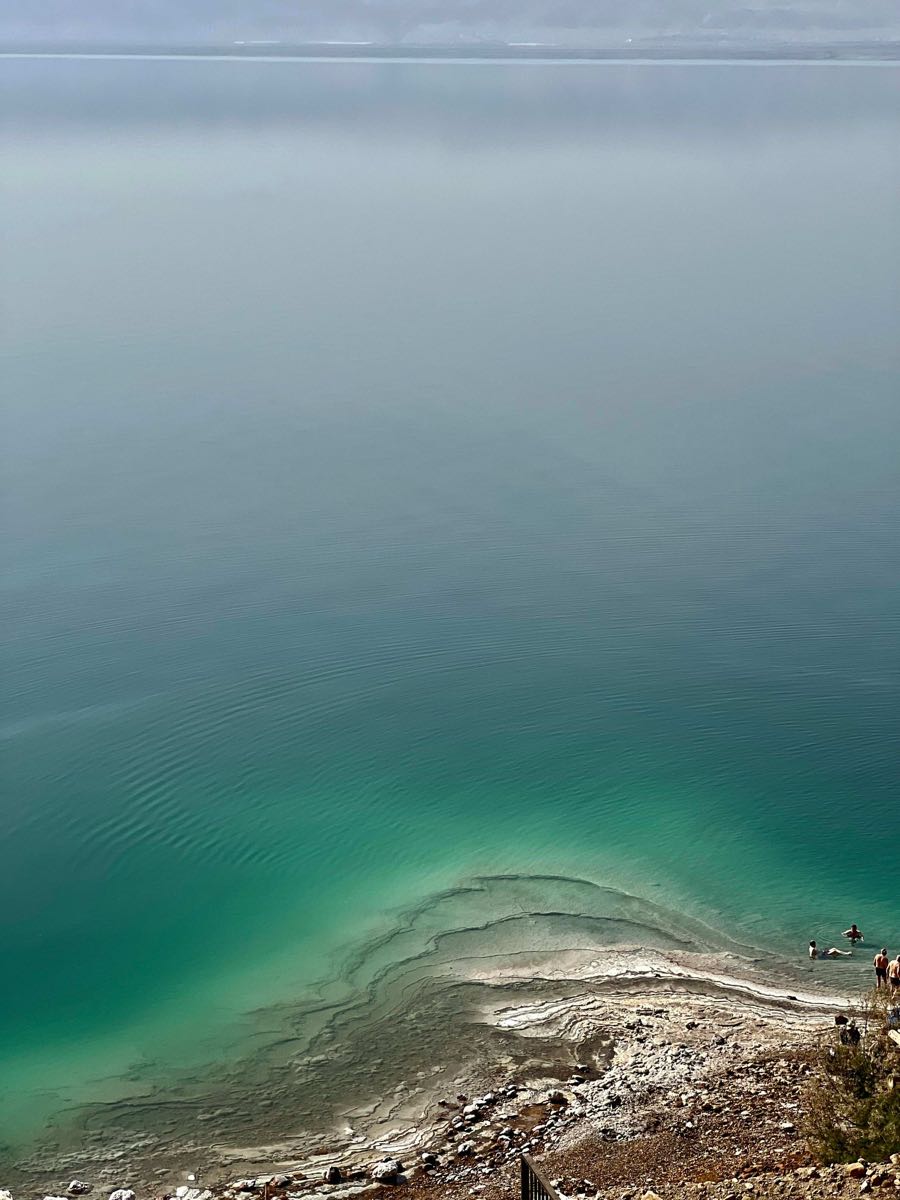
Dead Sea Jordan: Floating, Mud Therapy & Resorts
Everything you need to visit the Dead Sea in Jordan: floating, mud therapy, resorts, day trips from Amman, and what to know before you go.
Guides for Dead Sea
The Dead Sea sits 430 metres below sea level - the lowest point on the surface of the earth. That statistic is not hyperbole for brochures; it is simply the measured elevation of the water, a consequence of the Jordan Rift Valley dropping the lakebed far below sea level over millions of years. The result is a body of water so dense with dissolved salts and minerals that floating on it requires no effort at all, and sinking to the bottom is effectively impossible.
The experience is unusual enough that people have been visiting specifically to float here since antiquity. Cleopatra is said to have imported Dead Sea minerals for cosmetic use. It remains one of the defining things to do in Jordan, and it earns the designation.
Getting to the Dead Sea
The Dead Sea shoreline is approximately 60 km west of Amman, connected by the Dead Sea Road (Route 65). Driving from the city takes around one hour in normal traffic. The road descends sharply through the Jordan Valley - your ears will pop, and the altimeter on your phone will show the rapid drop below sea level.
A shared taxi from Amman’s 7th Circle or the southern bus station runs approximately JOD 10 one-way. Negotiate the fare before departure; drivers know the route well. For a return trip, arrange with the driver or have your hotel call for a taxi.
No regular public bus connects central Amman to the resort hotels directly. Minibuses run to the town of Shuneh (South Shuna), from which you would need a secondary taxi - this is practical only if you are travelling on a very tight budget.
Day tour operators in Amman offer Dead Sea trips that include transport from your hotel, entry to a beach or resort, and return transport. These typically run JOD 25–40 per person and are worth considering if you are not renting a car. You can browse Dead Sea day tours and experiences from Amman to compare current options.
Where to Stay at the Dead Sea
Kempinski Hotel Ishtar Dead Sea is the resort most frequently cited by travellers as the benchmark Dead Sea experience. It occupies a prime position on the shore with private beach access, multiple temperature-controlled pools fed with mineral water, and a full-service spa using Dead Sea products. Rooms start from approximately JOD 200 per night as of 2026. Booking well in advance is advisable for weekends and public holidays.
Marriott Dead Sea Resort & Spa sits adjacent to the Kempinski and offers a comparable beach experience. The resort is newer and the design is more contemporary. Rooms start from approximately JOD 150 per night as of 2026. The pool and beach area are well-maintained, and the breakfast buffet is one of the more thorough in the region.
Crowne Plaza Dead Sea offers a slightly more accessible price point while maintaining direct beach access and spa facilities. Rooms start from approximately JOD 120 per night as of 2026. The hotel attracts a mix of leisure travellers and conference groups - check event calendars if you prefer quieter stays.
For a full comparison of resort options, including which hotels have private beach access versus shared facilities, see the where to stay at the Dead Sea guide.
Search hotels in Dead Sea Jordan on Booking.com
The Floating Experience
The Dead Sea’s salt concentration hovers around 34% - roughly ten times the salinity of the ocean. The density of the water is high enough that your body rises to the surface the moment you enter. Most visitors find the sensation disorienting at first: you are weightless in a way that swimming pools do not prepare you for.
The typical approach is to wade in slowly (the lakebed can be rocky and the salt stings any cuts), lower yourself backwards into the water, and let the buoyancy do the rest. Lying on your back is the default - you float naturally. Sitting upright in the water is harder than it looks.
Stay in for 10–20 minutes, then rinse thoroughly in fresh water. Extended immersion dries out skin rapidly and the salt will irritate mucous membranes if you are not careful.
Safety note: Keep water away from your eyes at all costs. Even a small splash causes immediate, severe burning. If this happens, flush with fresh water immediately - every resort and beach has fresh-water rinse stations specifically for this reason.
Dead Sea Mud
The black mineral mud found along the shoreline is rich in magnesium, calcium, potassium, and bromide. Smearing it across your skin and letting it dry before rinsing is a centuries-old practice. Whether the therapeutic claims hold clinical weight is debated; the experience of applying warm mud in the sun and washing it off in the saline lake is straightforwardly enjoyable.
Packaged Dead Sea mud products - scrubs, face masks, body lotions - are sold throughout Jordan and at the resort hotel shops. Quality varies considerably; the shops at resort properties tend to stock more reliable brands.
Day Excursions from the Dead Sea
Zara Ma’in Hot Springs
Approximately 3 km inland from the Dead Sea shore, the Zara Ma’in hot springs cascade down a gorge from cliffs above the valley floor. The water reaches temperatures between 40°C and 63°C, fed by underground thermal sources. The Evason Ma’In Hot Springs resort manages access to the springs - day visitors can use the facilities for approximately JOD 40–50 as of 2026, including access to pools fed by the thermal water. It is worth combining with a Dead Sea visit if you are staying in the area for more than one day.
Dead Sea Panoramic Complex
On the ridge above the Dead Sea, the Panoramic Complex offers the most dramatic aerial view of the lake and the Jordan Valley. Entry to the viewpoint is free. A small museum on-site covers the geology and ecology of the rift valley; there is a cafe with good coffee and the best view table in the region.
Mount Nebo
Moses’s reputed burial place and final vantage point into the Holy Land is 30 km northeast of the Dead Sea - a 30-minute drive. On clear winter days the view extends to Jerusalem and the Mediterranean. Entry is approximately JOD 2 as of 2026. It pairs naturally with Madaba, which is 9 km further east.
Practical Notes
The Dead Sea Resort Road (the strip of hotels along the shore) has no town centre, shops, or local restaurants independent of the hotels. Bring snacks and drinks if you are visiting Amman Beach or a public facility - hotel restaurant prices reflect the captive location.
Sunscreen is essential. The lower altitude and high salt reflectivity intensify UV exposure. Bring a high-SPF waterproof formulation and reapply after each time in the water.
The Dead Sea is Jordan’s most visited attraction and fills quickly on Jordanian public holidays and during Eid periods. Plan accordingly if you are visiting during these windows.
More at the Dead Sea
Book an experience
Top experiences in Dead Sea
Explore the best tours and activities in Dead Sea , with instant confirmation and free cancellation on most bookings.
Frequently Asked Questions
- Can anyone float in the Dead Sea?
- Yes. The salt concentration - approximately 34%, around ten times saltier than the ocean - provides enough buoyancy that floating requires no swimming ability. Your body rises to the surface automatically. The challenge is staying upright rather than staying afloat.
- Is the Dead Sea shrinking?
- Yes, measurably. The water level has dropped by more than 35 metres since the 1950s, driven primarily by diversion of the Jordan River for agriculture. The shoreline recedes by roughly one metre per year. Sinkholes have opened along parts of the former coastline. This is a genuine environmental concern, not a distant risk.
- What should I not do at the Dead Sea?
- Do not splash water near your face or eyes - the salt concentration causes extreme irritation and temporary vision impairment. Do not shave or wax within 24 hours of swimming; the salt burns immediately. Do not stay in the water for more than 20 minutes at a time. Have fresh water nearby to rinse your eyes in case of splashing.
- Is there a public beach at the Dead Sea?
- Amman Beach is the main public-access facility on the Jordanian shore. Entry is approximately JOD 20 per person as of 2026 and includes changing rooms, showers, sunbeds, and fresh-water rinse facilities. Most resort hotels also allow day visitors for a fee.
- How do I get to the Dead Sea from Amman?
- The Dead Sea is approximately 60 km from Amman - around one hour by car via the Dead Sea Road (Route 65). A shared taxi from Amman costs approximately JOD 10 one-way. Private taxis charge more; agree the fare before departing. There is no regular public bus service directly to the resort hotels.