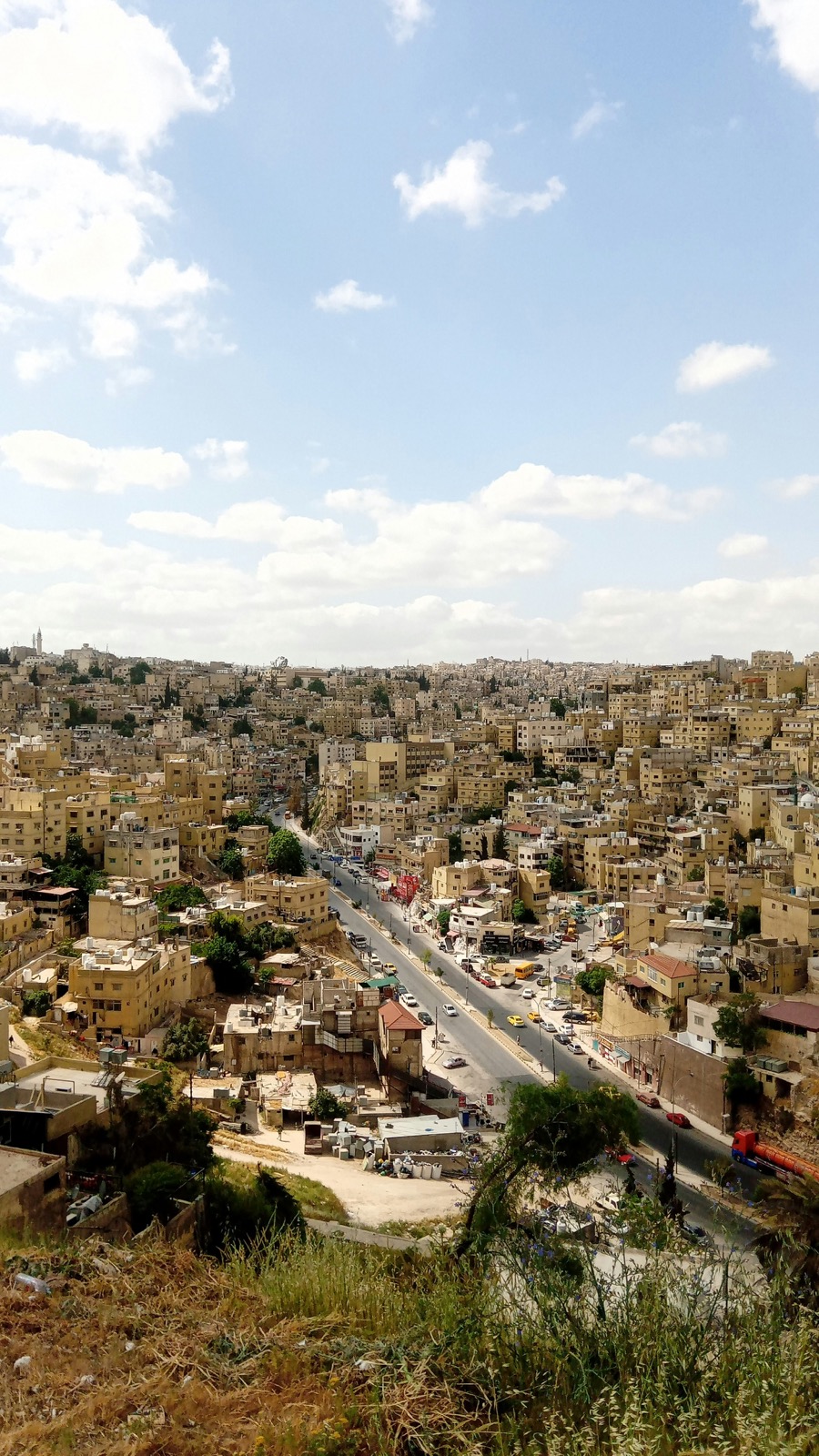
Amman rewards three days more than most visitors expect. The city itself holds Roman, Byzantine, and Umayyad ruins layered into its modern hillsides, and it serves as the launching point for two of Jordan’s best day trips - the Roman city of Jerash and the Dead Sea lowlands. This itinerary uses Amman as a single base, eliminating the need to change hotels, and pairs the city’s own sights with two full day trips that return you to the capital each evening. Day tours from Amman to Jerash, Ajloun, and the Dead Sea are available if you’d rather leave the driving to someone else.
Where to Stay in Amman (All 3 Nights)
Staying in one hotel for three nights keeps logistics simple. Choose a base in Jabal Amman or downtown for walking access to the major sights.
- Budget: Jordan Tower Hotel (from JOD 20–35/night as of 2026) - clean, central, within walking distance of Rainbow Street and the Roman Theatre. Rooftop with city views.
- Mid-range: Boutique Hotel La Locanda (from JOD 65–100/night) - restored 1950s building in Jabal Amman with a courtyard garden. Quiet rooms, strong breakfast.
- Mid-range alternative: Amman Pasha Hotel (from JOD 50–80/night) - downtown location near the Roman Theatre, Ottoman-style interiors, helpful staff for organising day trips.
- Splurge: The House Boutique Suites (from JOD 180–280/night) - Abdoun district, spacious suites with kitchenettes. Requires taxi to reach sights, but the rooms are among the best in the city.
- Splurge alternative: Fairmont Amman (from JOD 150–250/night) - 5th Circle, modern business-class hotel with rooftop pool and multiple restaurants.
Search hotels in Amman on Booking.com
Day 1: Amman - Citadel, Roman Theatre, Downtown, Rainbow Street
Morning: The Citadel and Roman Theatre
Start at the Amman Citadel (Jabal al-Qala’a), the hilltop site that has been continuously occupied for over 7,000 years. The site opens daily 8:00–18:00 in summer (16:00 in winter). Entry is included with the Jordan Pass, or approximately JOD 2 without it.
The key structures:
- Temple of Hercules - two standing columns from a 2nd-century Roman temple, with fragments of a colossal marble hand suggesting the statue of Hercules stood over 12 metres tall
- Umayyad Palace - an 8th-century complex with a domed audience hall, restored to show the transition from Byzantine to early Islamic architecture
- Archaeological Museum - small but focused collection inside the Citadel grounds (free with Citadel entry)
Allow 1.5–2 hours. The Citadel terrace provides the best panoramic view of Amman - the Roman Theatre below, the Raghadan flagpole (one of the tallest free-standing flagpoles in the world at 127 metres), and the white limestone buildings covering the surrounding hills.
Walk downhill (15 minutes on foot) to the Roman Theatre, built during the reign of Antoninus Pius (138–161 CE) and carved into the hillside to seat 6,000. Entry is included with the Jordan Pass, or approximately JOD 2 without it. The two small museums flanking the theatre - the Jordan Museum of Popular Traditions and the Folklore Museum - are included in the entry fee and worth 20 minutes each for their collections of traditional dress, jewellery, and Bedouin artefacts.
Afternoon: Downtown Souks
The streets radiating from the Roman Theatre form Amman’s oldest commercial district. Walk through:
- Gold Souk - concentrated along King Faisal Street, reliable for 21-karat gold jewellery
- Spice Souk - stalls selling za’atar, sumac, cardamom, and dried herbs by weight
- King Hussein Mosque area - the grand mosque (1924, rebuilt 1987) anchors the district. Non-Muslim visitors can enter outside prayer times; dress modestly (shoes off, shoulders and knees covered)
Lunch: Habibah Sweets on Al-Malek Faisal Street - the city’s most famous knafeh (sweet cheese pastry soaked in sugar syrup), approximately JOD 1–2 per portion. Follow it with a shawarma from one of the nearby street stalls (JOD 0.50–1).
Evening: Rainbow Street
Walk or taxi to Rainbow Street (Al-Rainbow Street, Jabal Amman) for the city’s most concentrated strip of independent restaurants, cafes, and galleries. The street comes alive after 17:00.
Coffee: Rumi Cafe - local roastery with Arabic coffee and specialty options, JOD 2–4 per drink.
Dinner options:
- Sufra Restaurant - traditional Jordanian cuisine (mansaf, musakhan, lamb ouzi) in a restored Ottoman house with garden seating. Approximately JOD 12–20 per person.
- Cantaloupe Gastro Pub - contemporary Mediterranean-Levantine menu with a terrace overlooking downtown. Approximately JOD 15–25 per person.
- Budget: Hashem Restaurant (downtown, not Rainbow Street) - foul, hummus, and falafel institution since the 1950s. Under JOD 5 per person.
Day 2: Day Trip to Jerash and Ajloun Castle
Getting There
Drive or taxi from Amman to Jerash - 48 kilometres north, approximately 1 hour. A taxi costs approximately JOD 25–30 one way. The JETT bus runs from Tabarbour North Bus Station for approximately JOD 1.5 each way (departures every 30–60 minutes in the morning). If taking a taxi, negotiate a return trip including a stop at Ajloun Castle for approximately JOD 50–60 for the full day.
Morning: Jerash (3–4 Hours)
Jerash is one of the best-preserved Roman cities in the world. Entry is included with the Jordan Pass (JOD 10 without it). The site opens daily 8:00–18:00 in summer, 8:00–16:00 in winter.
Walk the main route:
- Hadrian’s Arch - the triumphal entrance, built for Emperor Hadrian’s visit in 129 CE
- Hippodrome - the chariot racing venue, 245 metres long
- Oval Forum - the iconic space ringed by 56 Ionic columns, unique in the Roman world for its oval shape
- Cardo Maximus - the 800-metre colonnaded main street, still showing chariot ruts in the paving stones
- Temple of Artemis - the largest temple in Jerash, with 11 standing columns. Insert a spoon or knife blade into the column base joints - in wind, the columns visibly sway (the earthquake-resistant flex built into the original construction)
- South Theatre - seats 3,000, still used for concerts during the Jerash Festival in July
- Nymphaeum - the ornamental public fountain, partially restored with its original carved facades
Lunch: Lebanese House near the Jerash entrance gate - mixed grills, hummus, and tabbouleh for approximately JOD 8–12 per person. Alternatively, pack food from Amman and eat at one of the shaded spots inside the site.
Afternoon: Ajloun Castle (1.5–2 Hours)
Drive 25 kilometres west from Jerash to Ajloun Castle (Qal’at ar-Rabad). Entry is included with the Jordan Pass (JOD 3 without it), open daily 8:00–18:00 in summer.
The castle was built in 1184 by one of Saladin’s commanders to control the iron mines of Ajloun and block Crusader expansion from their base across the Jordan Valley. It was later expanded by the Mamluks. The rooftop provides views across the forested Ajloun highlands - one of the greenest landscapes in Jordan - toward the Jordan Valley and the West Bank hills beyond.
The Ajloun Forest Reserve (RSCN-managed, 2 kilometres from the castle) offers short hiking trails through Mediterranean oak and pistachio woodland. The Roe Deer Trail (2 km loop, 1 hour) is manageable before returning to Amman. Entry is approximately JOD 7 (as of 2026).
Return to Amman by late afternoon (1–1.5 hours by car or taxi).
Dinner: Fakhr El-Din - Lebanese-Jordanian fine dining in a restored 1920s villa in Jabal Amman. Approximately JOD 15–25 per person. One of the best meals in the city.
Day 3: Day Trip to Dead Sea, Mount Nebo, and Madaba
Getting There
The Dead Sea, Mount Nebo, and Madaba form a natural loop west and southwest of Amman. A taxi for the full day (all three stops, returning to Amman) costs approximately JOD 45–60 negotiated in advance. A rental car for one day costs approximately JOD 25–40. There is no practical public bus route covering all three.
Recommended route: Amman → Mount Nebo (40 minutes) → Madaba (10 minutes) → Dead Sea (30 minutes) → Amman (1 hour). Start early to maximise time at the Dead Sea.
Morning: Mount Nebo (1 Hour)
Mount Nebo sits 9 kilometres west of Madaba at approximately 800 metres elevation. This is the site where, according to the Book of Deuteronomy, Moses viewed the Promised Land before his death. The Memorial Church of Moses contains well-preserved 6th-century Byzantine floor mosaics depicting hunting and pastoral scenes.
On a clear day, the viewpoint extends across the Jordan Valley to the Dead Sea, Jericho, and the hills of the West Bank. Haze is common in summer; winter and spring mornings offer the best visibility.
Entry is approximately JOD 2 (as of 2026). Open daily 8:00–17:00 in winter, 8:00–19:00 in summer.
Late Morning: Madaba (1.5–2 Hours)
Drive 10 minutes southeast to Madaba, known as the “City of Mosaics.” The essential stop is the Greek Orthodox Church of St. George, which houses the 6th-century Madaba Mosaic Map - the oldest surviving cartographic depiction of the Holy Land, originally containing over two million tesserae. Entry is approximately JOD 1.
Walk 5 minutes to the Madaba Archaeological Park (JOD 3 entry, combined ticket with the Burnt Palace available) to see additional Byzantine-era mosaic floors in situ, including the Church of the Virgin and the Hippolytus Hall.
Lunch: Haret Jdoudna - a restaurant in a restored Ottoman courtyard in the centre of Madaba. Traditional Jordanian dishes (mansaf, maqluba, mezze spreads) for approximately JOD 10–15 per person. The courtyard setting is one of the most pleasant lunch spots outside Amman.
Afternoon: Dead Sea (3–4 Hours)
Drive 30 minutes west and downhill from Madaba to the Dead Sea, dropping from 800 metres above sea level to approximately 430 metres below - the lowest point on Earth.
Amman Beach is the most accessible public option: entry approximately JOD 20 (as of 2026), including use of the freshwater pool, showers, and changing facilities. The beach has Dead Sea mud available for the obligatory coating-and-rinse experience.
For a more upscale afternoon, purchase a day pass at one of the resort hotels:
- Kempinski Hotel Ishtar - day pass from approximately JOD 30–50, access to five cascading infinity pools and a private beach
- Hilton Dead Sea Resort - day pass from approximately JOD 25–40, family-friendly pools and beach
Practical tips for the Dead Sea:
- Do not shave on the morning of your visit - the salt concentration (approximately 34%) stings any broken skin intensely
- Bring water shoes - the salt crystal formations on the lakebed are sharp
- Stay in the water for no more than 15–20 minutes at a time and rinse thoroughly in fresh water after each float
- The mud dries quickly - apply it generously before it sets and rinse before it cakes
Return to Amman by early evening (approximately 1 hour from the Dead Sea).
Farewell dinner: Tawaheen al-Hawa - a restaurant built into a restored Ottoman-era flour mill on the outskirts of Amman (Abdoun area). Outdoor terrace with city views, traditional Jordanian and Palestinian dishes, approximately JOD 15–22 per person. A strong finish to three days in the capital.
Budget Summary (Per Person, 3 Days)
| Category | Budget | Mid-Range | Splurge |
|---|---|---|---|
| Accommodation (3 nights) | JOD 60–105 | JOD 195–300 | JOD 450–840 |
| Food | JOD 35–50 | JOD 75–120 | JOD 130–200 |
| Transport (taxis/buses) | JOD 30–45 | JOD 60–100 | JOD 100–160 |
| Site entries (without Jordan Pass) | JOD 25–35 | JOD 35–50 | JOD 50–70 |
| Dead Sea entry | JOD 20 | JOD 30–50 | JOD 30–50 |
| Total | JOD 170–255 | JOD 395–620 | JOD 760–1,320 |
Approximate USD equivalents: Budget USD 240–360, Mid-Range USD 557–875, Splurge USD 1,070–1,860 (at JOD 1 = approximately USD 1.41 as of 2026).
Practical Tips for Amman
- Getting around Amman: Taxis are the primary transport within the city. Short trips cost JOD 1–3 on the meter. Use the Careem app for transparent pricing. The city has no metro or tram - buses exist but routes are unclear to visitors.
- Walking: Amman is built on hills. The walk from downtown to Rainbow Street is uphill and takes 20–30 minutes. In summer heat, taxi this leg.
- Currency: ATMs are widely available throughout central Amman. Visa and Mastercard are accepted at hotels and larger restaurants. Street food, souks, and smaller cafes are cash-only.
- Safety: Amman is one of the safest capitals in the Middle East for visitors. Petty crime rates are low. Standard precautions apply - keep valuables secure in crowded souks.
- Friday: The main prayer day. The downtown area is quieter in the morning, but tourist sites and restaurants in Jabal Amman and Rainbow Street operate normally. Banks and government offices are closed Friday and Saturday.
- Arabic phrases: “Shukran” (thank you), “Marhaba” (hello), and “Afwan” (you’re welcome) go a long way. English is widely spoken in hotels, restaurants, and tourist areas.
Still deciding what to book? Our last-minute tours page has same-day and next-day options for Amman and the surrounding region.
Activity guides for this itinerary: Dead Sea Experience · Wadi Mujib Gorge · Byzantine Mosaics in Jordan · Jerash Roman City Guide · Crusader Castles of Jordan
City guides for this itinerary: Amman · Jerash · Ajloun · Dead Sea · Mount Nebo · Madaba
Book Your Trip
- Flights - Find the best fares to Jordan · flights guide
- Travel Insurance - Get covered before you go · insurance guide
- eSIM - Stay connected from landing · eSIM guide
- Airport Transfers - Pre-book your transfer from Amman Queen Alia Airport · airport guide
- Car Rental - Compare prices across providers · car hire guide
- Tours & Activities - Browse Jordan tours on GetYourGuide