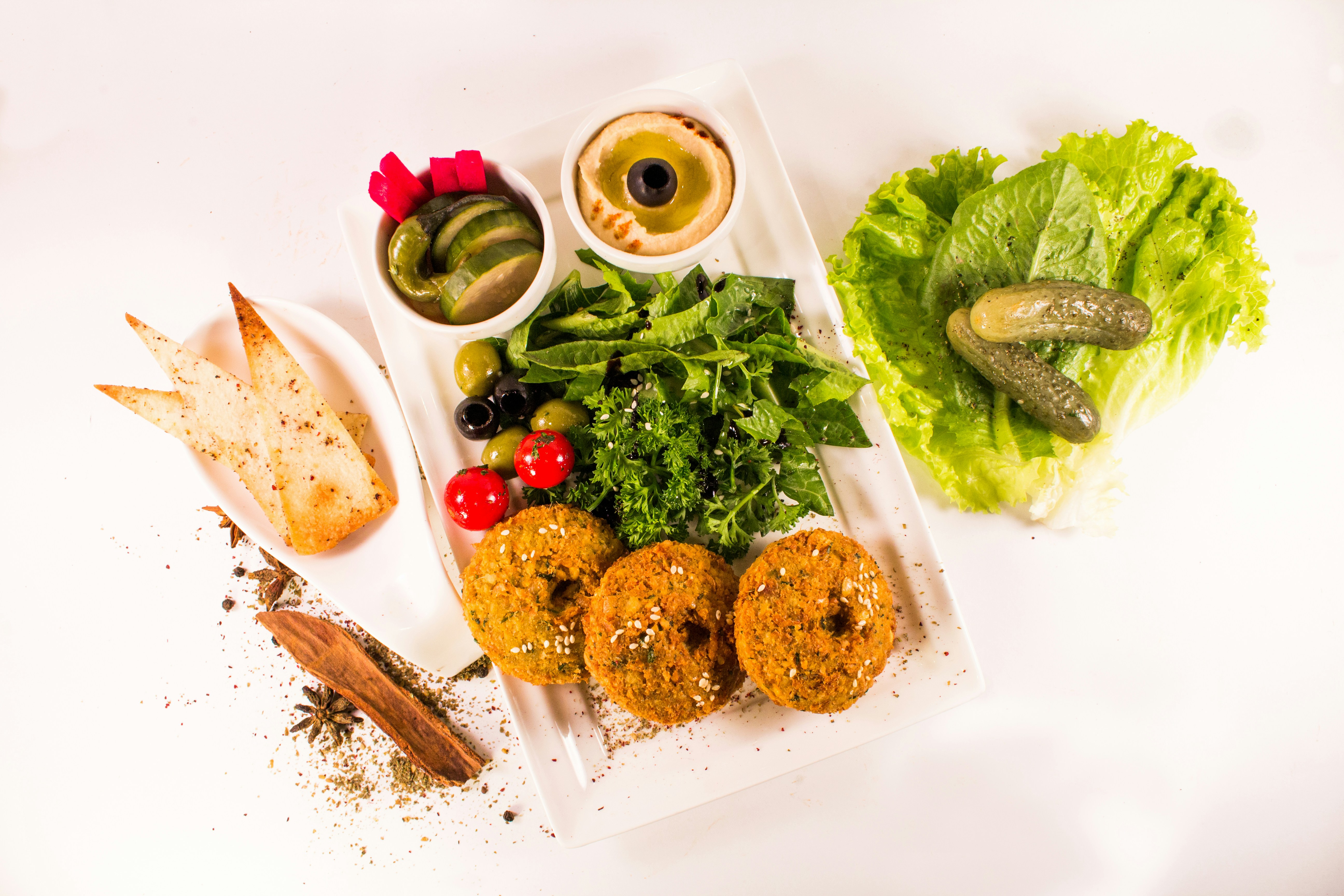
Jordanian food sits at the intersection of several culinary traditions. The Levantine kitchen - shared broadly with Lebanon, Syria, and Palestine - provides the mezze culture, the spice vocabulary, and the technique. The Bedouin tradition adds the slow-cooked whole-lamb dishes, the use of desert-gathered ingredients, and a cooking method - zarb underground fire-pit cooking - that is unique to the region. The result is food that is confident in its simplicity: good olive oil, fresh bread, and well-seasoned protein, without the elaborate sauce-building of French or Persian cooking. For a hands-on introduction, food tours and cooking experiences across Jordan are an efficient way to work through the classics in a single session.
Mansaf: The National Dish
No other dish in Jordan carries the symbolic weight of mansaf. It is served at weddings, funerals, Eid celebrations, and whenever a Jordanian host wants to demonstrate proper hospitality. The dish is slow-cooked lamb - typically on the bone - in a sauce made from jameed: a sun-dried, heavily salted fermented goat or sheep’s milk that comes in hard blocks and is reconstituted with water to make the sauce. The reassembled sauce, called mansaf sauce or laban jameed, has an intensely sour, slightly gamey flavour with no close equivalent in Western cooking.
The lamb is piled over a bed of saffron-tinted rice on a sheet of flatbread (shrak) spread on a large communal tray, drenched with the sauce, and garnished with fried pine nuts and fresh parsley. Traditionally eaten standing, using only the right hand, from the communal tray.
For visitors, mansaf is most reliably served in restaurants in Amman - Sufra on Rainbow Street is one of the most consistent options. In rural Jordan, the best mansaf is encountered at family invitations rather than restaurants, where the cooking has not been modified for tourist palates. Expect to pay approximately JOD 10–18 per person in Amman restaurants as of 2026.
Mezze Culture
Mezze - a spread of small shared dishes eaten at the start (or throughout) a meal - is the most common eating format for lunch and dinner in Jordan’s restaurants. A standard mezze spread might include:
- Hummus - blended chickpeas with tahini, lemon, and olive oil. Quality varies enormously; the best in Jordan is made fresh, still warm from the blending, with good olive oil pooled in the centre.
- Moutabbal (or mutabbal) - fire-roasted aubergine blended with tahini and lemon. Similar to baba ghanoush but typically smoother in Jordanian preparation.
- Falafel - deep-fried ground chickpea and herb patties. The defining street food of the Levant, best eaten fresh from the fryer.
- Fattoush - salad of tomatoes, cucumber, and purslane with toasted or fried pieces of flatbread and a pomegranate-molasses dressing.
- Tabbouleh - finely chopped parsley with bulgur wheat, tomato, and lemon. More herb-forward than bulgur-forward in good versions.
- Kibbeh - ground lamb mixed with bulgur wheat and spices, fried in torpedo shapes or baked in a tray. Also eaten raw (kibbeh nayyeh).
- Warak dawali - vine leaves stuffed with rice and minced meat, or rice and vegetables in vegetarian versions.
Street Food
Falafel is the cornerstone of Jordanian street food. A falafel sandwich - three or four patties in flatbread with pickles, tomatoes, and tahini sauce - costs approximately JOD 0.75–1.50 from a street stand and represents some of the best value eating in the country. The gap between a fresh falafel and a stale one is large; look for queuing locals as an indicator.
Shawarma - thinly sliced rotisserie meat (chicken or lamb) in flatbread with garlic sauce, pickles, and chilli - is the other ubiquitous street food. A wrap costs approximately JOD 1–2.50 depending on size and location.
Kunafa (or knafeh) is the defining Jordanian sweet - shredded wheat pastry or fine semolina layered over melted white cheese, soaked in sugar syrup, and finished with crushed pistachios. It is eaten hot, ideally fresh from a large round pan. The most famous source in Amman is Habibah Sweets near the King Hussein Mosque, where queues form consistently. Price approximately JOD 1.50 per portion as of 2026.
Bedouin Cooking: Zarb
Zarb is the traditional Bedouin method of cooking meat using an underground fire pit. The process requires several hours of preparation: a pit is dug, a wood fire burned down to coals, a metal frame loaded with marinated lamb or chicken (and sometimes whole vegetables) lowered into the pit, the coals shovelled in around and on top, and the entire thing sealed with sand for three to four hours.
The result is unusually tender meat with a smoky, earthy character that is different from any oven or open-fire cooking. Zarb is the defining culinary experience of Wadi Rum, where Bedouin camps prepare it as part of overnight stays. It is not commonly available in city restaurants.
Regional Variations
Amman - the most varied dining scene in Jordan, drawing on every regional tradition. Mansaf, mezze, modern Levantine, and international cooking are all available.
Aqaba - the Red Sea access means fresh fish and seafood are prominent in local cooking. Sayadieh (fish baked with spiced rice and caramelised onion) and grilled whole fish are the local specialities that distinguish Aqaba from the rest of the country, which is predominantly lamb-centred.
Wadi Rum - Bedouin desert cooking. Zarb is the experience worth seeking out; everything else is simpler camp fare. Most camps provide buffet-style meals for overnight guests.
Madaba and northern Jordan - Palestinian and Circassian culinary influences are present in the north. Mansaf preparation varies slightly by region.
Arabic Coffee and Tea Culture
Arabic coffee (qahwa) is pale green or yellow - unroasted or lightly roasted beans brewed with a heavy hand of cardamom and sometimes saffron. It is served in small handleless cups and offered as a gesture of hospitality that precedes and accompanies almost every social interaction in traditional settings. Politely declining is done by tilting the cup left and right when handing it back.
Black tea (chai) is stronger, sometimes sweetened with sugar and flavoured with fresh mint or sage. Sage tea (maramiya) from the mountains around Ajloun and Dana is particularly good. Tea is the more common daily drink; coffee carries more ceremonial weight.
Dietary Notes for Travellers
Halal - all meat served in Jordan is halal. Pork is not available.
Vegetarians have reasonable options in cities, particularly in mezze-centred restaurants where several dishes are naturally meat-free. Verify whether dishes contain meat stock - some preparations of kibbeh and stuffed vegetables include minced meat.
Vegans will find Amman manageable (see our vegan guide) and the rest of the country considerably harder. Falafel, hummus, and many mezze dishes are vegan when prepared traditionally, but butter and yoghurt can appear in unexpected places. See the vegan in Jordan guide for specific restaurant recommendations.
Gluten-free - bread is an integral part of every Jordanian meal, and gluten awareness is limited outside city restaurants. Hummus, grilled meat, rice dishes, and most salads are naturally gluten-free if prepared simply.
Book a Guided Food Tour
Understanding Jordanian food through a guide - rather than navigating independently - changes how much you absorb in a limited time. A good Amman food tour covers falafel at Hashem, knafeh at Habibah, a working hummus café, and a spice market in the course of a single morning, with a guide who explains the difference between Palestinian and Jordanian preparation methods and leads you to vendors that operate without English menus. Browse food tours across Jordan for guided culinary experiences in Amman and beyond.
Plan Your Jordan Trip
Before leaving, pick up a Jordan eSIM from Airalo - set up before arrival, no SIM swapping at the airport. VisitorsCoverage travel insurance covers medical emergencies, trip cancellation, and evacuation for Jordan trips.
See also: Food Guide to Amman · Vegan Eating in Jordan · Vegan Amman Guide · Food to Try in Amman · Food to Try in Aqaba · Wadi Rum Food Guide
Where to stay: Find hotels in Jordan - search accommodation across all budgets.