The Levantine kitchen has been feeding people without meat for centuries. Long before plant-based eating became a global conversation, the cuisine of Jordan and its neighbours had developed a rich tradition of chickpea dishes, aubergine preparations, bean stews, and herb-heavy salads that happen to contain no animal products. Jordan is not a vegan destination in the way that parts of South-East Asia or certain Western cities might be - you will not find oat milk in every cafe or a dedicated vegan menu in most restaurants. But you will find enough in the right places, and the challenge is primarily one of knowing what to look for.
What Is Accidentally Vegan
The following dishes are vegan when prepared in their traditional forms:
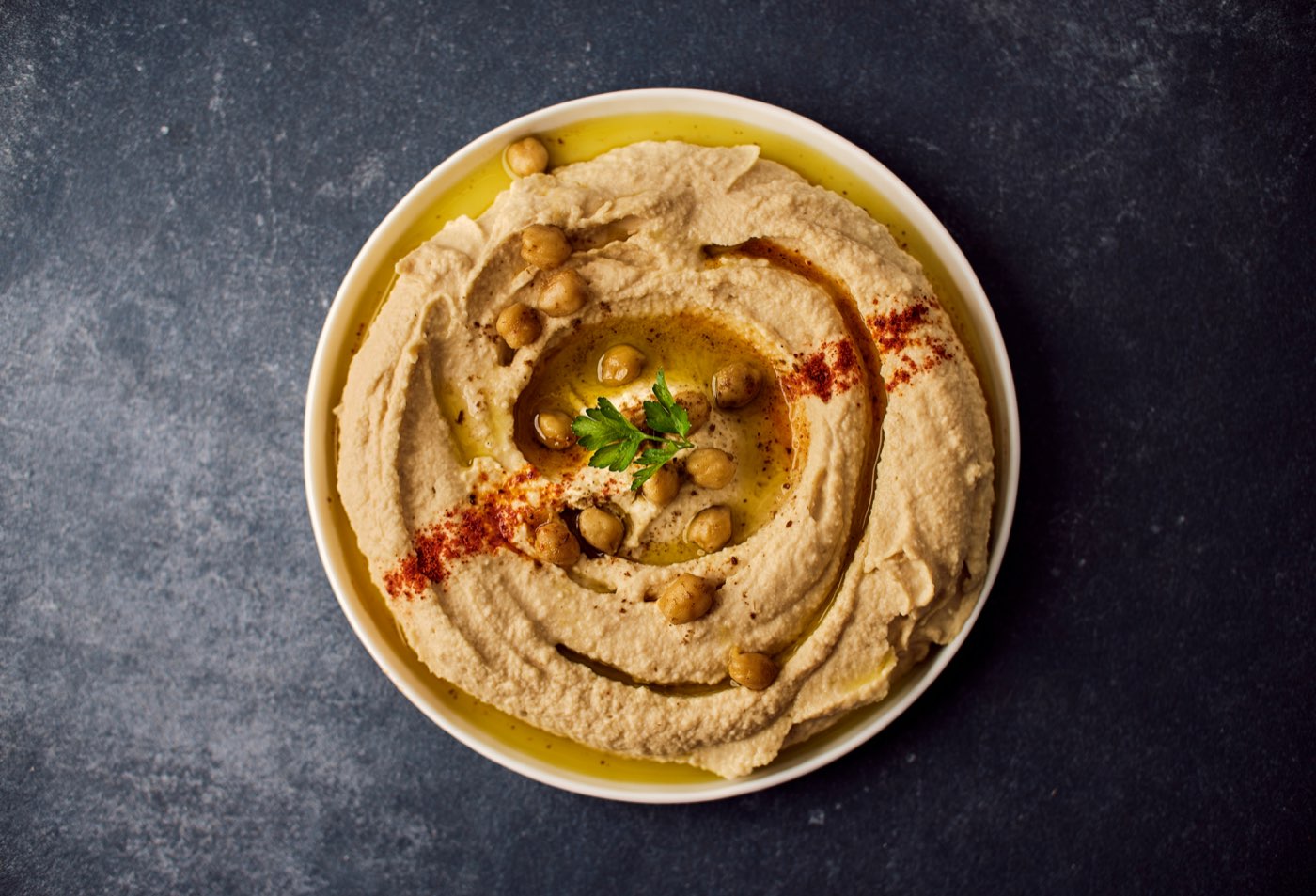
Hummus - blended chickpeas with tahini, lemon, olive oil, and salt. One of the defining foods of the region and available everywhere. The street and casual restaurant versions are almost universally vegan; fancier preparations occasionally add butter or yoghurt.
Falafel - deep-fried ground chickpeas and fresh herbs. A staple street food costing approximately JOD 0.75–1.50 per wrap as of 2026. Universally vegan.
Ful medames - slow-cooked fava beans with olive oil, cumin, and lemon. A standard breakfast dish and one of the most filling naturally plant-based options in the cuisine. Available at most traditional breakfast spots from approximately JOD 1–2 per portion.
Fattoush - salad of tomatoes, cucumber, purslane, and radish with toasted flatbread and a dressing of lemon juice, sumac, and olive oil. Naturally vegan in standard preparation; occasionally the dressing contains pomegranate molasses which is also vegan.
Tabbouleh - finely chopped parsley, tomato, and spring onion with a small amount of bulgur wheat and lemon dressing. Naturally vegan.
Moutabbal - fire-roasted aubergine blended with tahini, lemon, and olive oil. Slightly smoky, slightly richer than hummus. Usually vegan; occasionally made with yoghurt in Jordanian preparations, so worth asking.
Muhammarah - a Syrian-origin red pepper and walnut dip with pomegranate molasses and olive oil. Not universal in Amman restaurants but worth ordering when available. Vegan.
Mahashi (stuffed vegetables) - courgettes, peppers, or vine leaves stuffed with seasoned rice. Verify that no minced meat is included - the meat-free version is a family-style dish in its own right, not a compromise.
Ka’ak - sesame bread rings sold by street vendors from large baskets. Costs approximately JOD 0.50 each. Vegan in standard form; confirm no egg wash.
Corn on the cob - sold from carts near popular sites and in souqs, costing approximately JOD 0.50–1. Grilled or boiled, with no butter added unless you specifically request it.
What to Avoid or Verify
Mansaf - contains lamb and jameed (fermented animal milk). Not vegan.
Musakhan - slow-cooked chicken over taboon bread with onions and sumac. Not vegan.
Kibbeh - typically contains minced lamb. Some restaurants serve a plant-based version with lentils; ask specifically.
Labneh - strained yoghurt, a standard breakfast component. Not vegan.
Some hummus preparations - as noted above, restaurant versions occasionally use butter.
Pastries from bakeries - lard or butter may be used in the pastry without being labelled. Worth asking or avoiding when uncertain.
Cities Ranked for Vegan Options
Amman - the best city in Jordan for plant-based eating, by a significant margin. Several vegan-friendly restaurants exist, most mezze restaurants can assemble a vegan spread from their menu, and supermarkets stock plant milk. Manageable for sustained vegan eating.
Aqaba - decent, particularly for mezze at casual restaurants. The seafood focus adds non-meat options that are technically not vegan but give more flexibility. Fewer dedicated vegan options than Amman.
Madaba and northern Jordan - moderate. Mezze culture is strong, falafel and hummus available. Limited specialised options.
Petra / Wadi Musa - limited. Restaurants cater primarily to international tour groups and default to standard set menus. Mezze can be assembled from most menus, but the range is narrower.
Wadi Rum - the most difficult. Bedouin camp cuisine centres on zarb meat dishes and standard camp fare. With advance notice to your camp, a meat-free meal can usually be arranged; vegan with no dairy is harder. Bring backup snacks - nuts, dried fruit, crackers - before heading into the desert. When booking Wadi Rum overnight camp experiences, mention dietary requirements in the booking notes - most operators can accommodate with advance notice.
Specific Amman Recommendations
Wild Jordan Café - NGO-run café with a menu using Jordanian ingredients including several plant-based dishes. A reliable lunch stop with good food and a terrace view. Prices approximately JOD 7–14 per person.
Hosh Al-Yasmine - Lebanese-inspired restaurant in the Rainbow Street area with a range of mezze and main dishes that accommodate vegan eating well. Prices approximately JOD 8–15 per person.
At mainstream mezze restaurants in Amman, a satisfying vegan meal can be assembled by ordering: hummus, moutabbal, fattoush, falafel (if available as a separate dish), ful medames, and extra bread. The spread costs approximately JOD 8–14 per person depending on the restaurant tier.
Supermarkets for Self-Catering
Safeway (5th Circle, Amman) - the most reliable source for plant milk (soy, oat) and imported vegan products. Standard supermarket range of fresh produce, nuts, and pantry staples.
Cozmo - several branches across West Amman. Stocks a similar range to Safeway with slightly broader imported product selection in some branches.
Ramadan Note
During Ramadan, the evening iftar meal breaking the fast often includes a wider-than-usual range of vegetable dishes, soups, and salads alongside the standard meat dishes. If you are travelling during Ramadan and invited to an iftar, there is typically more plant-based food on the table than at a standard dinner.
City vegan guides: Vegan Amman · Food in Amman · Jordanian cuisine guide