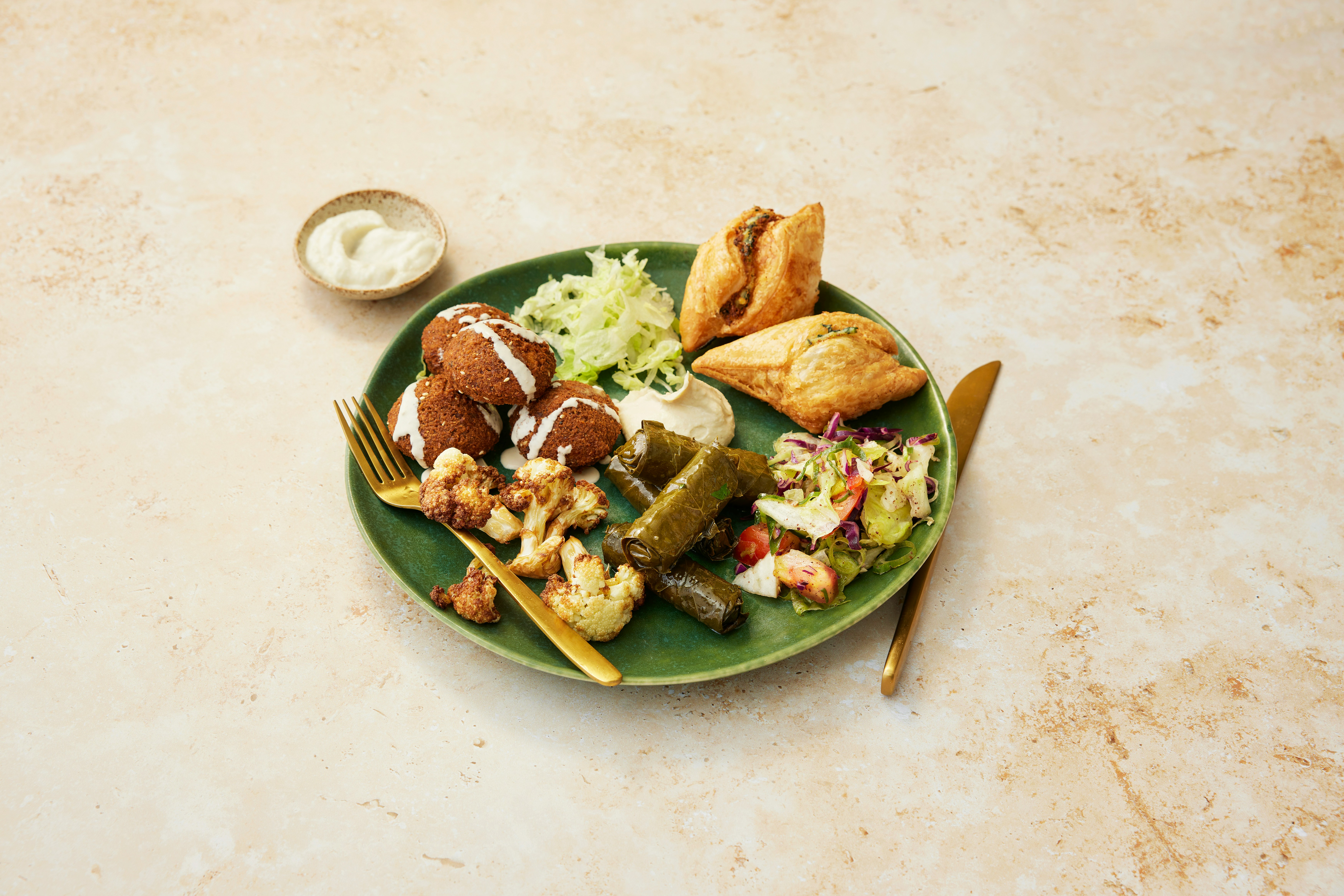
Amman’s food scene reflects the city’s dual character: a deeply traditional Levantine kitchen operating alongside a newer restaurant culture that has grown with the influx of regional expatriates and returning Jordanians educated abroad. The two exist in productive tension. Downtown serves some of the best cheap food in the country; the Rainbow Street corridor and the Abdali district offer more varied dining at higher price points. Both are worth your time.
Street Food and Cheap Eats
Hashem Restaurant is the most famous eatery in the city - and the claim is earned. Located in the heart of downtown, it has been serving falafel, hummus, ful medames, and flatbread since 1952. The menu is short, the portions are generous, and the prices are among the lowest in any restaurant anywhere in Amman. Expect to pay approximately JOD 2–4 per person as of 2026 for a full plate and tea. It opens early and runs until late, with no reservations and no nonsense. Queue at the counter, find a table wherever one opens up, and eat quickly - there will be others waiting.
Reem Cafeteria is a reliable downtown shawarma spot, with chicken and meat shawarma wraps at approximately JOD 1–2 each. The meat is fresh and the turnover is fast enough that the bread is never stale. Good for a quick lunch between sights.
Mid-Range Restaurants (JOD 10–20/person)
Sufra on Rainbow Street is the most respected traditional Jordanian restaurant in the city at this price point. The space - a restored early-20th-century house - suits the cooking, which draws directly on the Levantine and Bedouin traditions. Mansaf is served properly, with jameed sauce and rice in the traditional manner. Mezze are well-prepared. Lamb dishes are the strength. Budget approximately JOD 12–20 per person as of 2026. Reservations are recommended on weekends.
Fakhreldin in the Jabal Amman area is a classic Lebanese-Jordanian restaurant that has been serving the city’s professional class for decades. The mezze spread is extensive and the grilled meats are reliable. Prices run approximately JOD 15–25 per person. Less atmospheric than Sufra but more consistent.
Wild Jordan Café on the edge of Jabal Amman is operated by the Royal Society for the Conservation of Nature and serves food made with Jordanian ingredients - local olive oil, za’atar, regional cheeses, and seasonal produce. The terrace view over the city valley is one of the better dining views available at this price range. Expect approximately JOD 8–15 per person. The NGO connection is not just marketing: a meal here contributes to conservation work in Jordan’s nature reserves.
Upscale Dining (JOD 25+/person)
Beit Sitti - meaning “my grandmother’s house” - is a cooking class combined with a meal, set in a traditional home in the Jabal al-Weibdeh neighbourhood. Guests participate in preparing a Jordanian meal and then eat it together around a shared table. The experience costs approximately JOD 35–45 per person as of 2026 and needs to be booked in advance through their website. It is a stronger introduction to Jordanian home cooking than any restaurant meal, and the social dynamic of cooking together makes for a genuinely good evening.
Coffee and Cafes
Books@Café at the top of Rainbow Street has been a central meeting point for Amman’s liberal, arts-connected community for years. The coffee is good, the book selection - English and Arabic - is genuinely interesting, and the terrace fills up in the evening. It serves alcohol, which makes it useful if you want a drink in a relaxed setting.
Rumi Café in the Jabal al-Weibdeh gallery district is quieter and more neighbourhood-focused. Good Turkish-style coffee, a small food menu, and walls that often host rotating exhibitions from local artists.
Markets and Food Shopping
Souk Jara runs on Friday mornings along Rainbow Street from approximately May to October. Independent vendors sell organic vegetables, prepared foods, honey, handmade goods, and crafts. It doubles as a social event and is worth visiting for the atmosphere as much as the shopping.
The Friday Souk in Sweifieh is a larger, year-round Saturday morning market (despite the name) with organic produce, artisanal foods, and imported goods. Patronised mainly by West Amman residents and expats.
For grocery shopping, Safeway (5th Circle) and Cozmo (multiple branches) are the two most reliable supermarkets for imported products, specialist ingredients, and consistent fresh produce.
Book an Amman Food Tour
A guided food walk is the most efficient way to understand how Amman’s eating culture fits together. Operators typically cover the downtown circuit - Hashem for falafel, Habibah Sweets for knafeh, a neighbourhood hummus café, and a fresh juice stand - in two to three hours, with a local guide explaining the dish names, regional variations, and the social context of each stop. Browse Amman food tours on GetYourGuide for current options.
Practical Notes
Most restaurants in downtown Amman are cash-only. Larger restaurants in the Jabal Amman and Abdali areas accept cards, though it is worth carrying dinars regardless.
During Ramadan, downtown restaurants typically close from Fajr (pre-dawn) until Iftar (sunset). West Amman restaurants and hotel restaurants are more likely to stay open through the day for non-fasting guests, but hours vary. Iftar itself - the evening meal breaking the fast - is a good time to be in a restaurant: the energy is convivial and many places serve special seasonal menus. For a guided Amman food tour that takes you to the best local spots, browse Amman food and culture tours.
Plan Your Jordan Trip
Before leaving, pick up a Jordan eSIM from Airalo - set up before arrival, no SIM swapping at the airport. VisitorsCoverage travel insurance covers medical emergencies, trip cancellation, and evacuation for Jordan trips.
More in Amman
- Things to Do in Amman
- Where to Stay in Amman
- Day Trips from Amman
- Amman Food Scene: Full Guide
- Vegan Eating in Amman
- Jordanian Cuisine Guide
Need a base? Search hotels in Amman on Booking.com