Aqaba sits at Jordan’s only coastal strip - 27 kilometres of Red Sea shoreline that makes it one of the few places in the country where fish arrives by boat rather than truck from the Mediterranean. The restaurant scene reflects that geography. From market stalls selling the catch of the day to terrace restaurants overlooking the Gulf of Aqaba, eating well in Aqaba is straightforward, affordable by regional standards, and significantly different from the lamb-and-bread menus that dominate elsewhere in Jordan.
The Fish Market
The best starting point for understanding what Aqaba eats is the Aqaba Fish Market, located near the city’s main port. This is where commercial fishermen land their catch - red snapper, hammour (grouper), sea bream, kingfish, and squid are the most common finds, with lobster and crab available at higher prices when the catch allows.
The market operates from early morning and is at its best by 07:00–09:00. The setup is straightforward: select your fish at a vendor stall (approximately JOD 5–12 per kilogram depending on species as of 2026), pay a small processing fee of JOD 1–2, and have it cleaned and prepared on site. Several small restaurants and stalls adjacent to the market will cook your purchase on a grill or in a fryer for a nominal charge. This is the cheapest and most direct way to eat fresh fish in Aqaba.
Squid is notably cheap here - expect to pay approximately JOD 3–4 per kilogram - and the grilled version with simple lemon and salt is difficult to improve on.
Waterfront Restaurants
The Aqaba waterfront - particularly the stretch along the Corniche between the city centre and the resort zone - has the highest concentration of sit-down seafood restaurants.
Captain’s Restaurant is one of Aqaba’s longest-operating seafood establishments, located near the Marina. The kitchen prepares whole grilled fish to order - sea bream and red snapper are the strong choices - alongside prawn dishes, squid, and the standard mezze spread. A fish meal with accompaniments costs approximately JOD 8–15 per person as of 2026. The terrace has Red Sea views and catches the evening breeze. Popular with Jordanian families on weekends; arrive before 20:00 for a table without a wait.
Al-Shallal Restaurant is positioned along the Corniche and is a reliable option for visitors who want a broader menu alongside seafood. The grilled fish is good; the mixed seafood platter (prawns, fish, squid) at approximately JOD 12–18 per person is the most ordered dish. The restaurant handles tourist groups well without the experience becoming assembly-line.
Royal Yacht Club Restaurant is at the more upscale end of the Aqaba dining spectrum, with a marina setting and a menu that extends from grilled fish to pasta and international dishes. Prices run approximately JOD 15–25 per person. Best reserved for an evening when the setting justifies the premium - the view across the water to Saudi Arabia’s hills at dusk is a good reason to spend an extra hour.
Local Eating: Beyond Seafood
Aqaba is not exclusively a fish city. The local population eats a full range of Jordanian food, and several restaurants downtown serve the classic Levantine repertoire.
Romero Restaurant operates near the city centre and is primarily known among locals for its mixed grill - lamb, chicken, and kofta on the spit, served with bread, salad, and dips. A full meal costs approximately JOD 6–10 per person as of 2026. It is not a tourist restaurant; signage is minimal and the menu is largely verbal.
For quick eating, the downtown area has a cluster of shawarma stands near the main souk. Chicken or meat shawarma in flatbread runs approximately JOD 1–2.50, with the standard accompaniments of toum (garlic sauce), pickles, and chips. These are open from midday and stay busy until midnight.
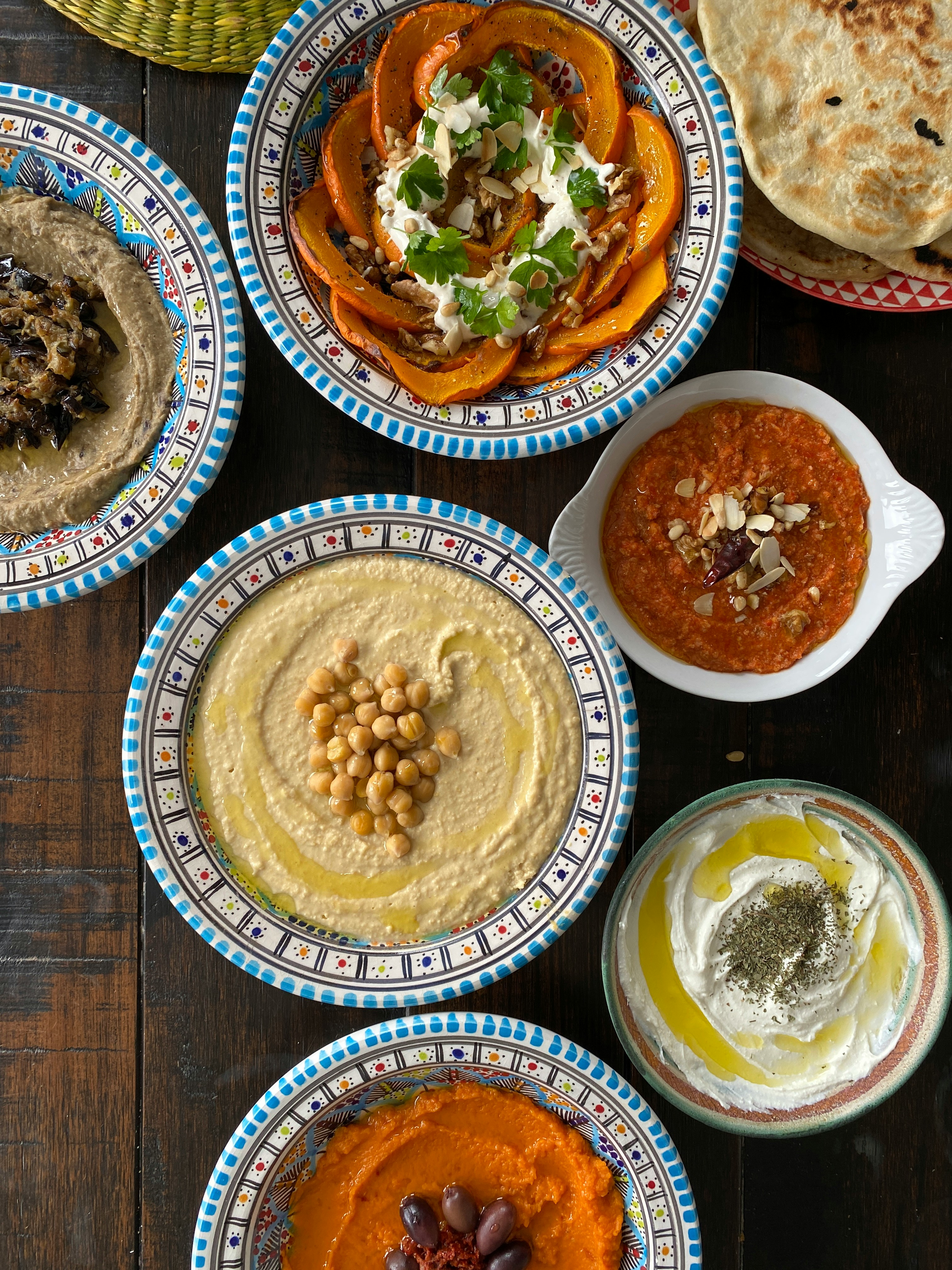
Falafel and hummus are available at several small breakfast cafes near the bus station and main market. A full breakfast of falafel, hummus, labneh, za’atar, and bread costs approximately JOD 2.50–4 per person and is served from around 07:00.
Hotel Restaurants
The resort zone stretching south of the city centre towards the Saudi border holds most of Aqaba’s larger hotels - Kempinski, InterContinental, Mövenpick - all of which have restaurants open to non-guests. These are reliable options for a more formal dinner, or when you want reliable air-conditioning and a broad menu, but the prices are significantly higher than local restaurants. Budget approximately JOD 25–40 per person for a full dinner at a hotel restaurant. The Mövenpick’s Friday brunch buffet is popular locally at approximately JOD 30 per person.
What to Order
The Red Sea provides species not found in the Dead Sea or inland - this is the primary reason to eat in Aqaba rather than Amman:
- Hammour (grouper) - white, firm-fleshed, and well-suited to grilling whole
- Red snapper - the most commonly available fish; good grilled with za’atar and lemon
- Sea bream - slightly milder and often cheaper than snapper
- Prawns - fresh and available year-round; grilled or sautéed with garlic and butter
- Squid - grilled rings or whole baby squid; exceptionally cheap at the market
- Lobster - available seasonally, priced approximately JOD 20–35 per kilogram
Most restaurants will also serve standard Jordanian mezze alongside the seafood: hummus, mutabbal (aubergine dip), fattoush, and tabbouleh.
Price Reference (as of 2026)
| Setting | Cost per person |
|---|---|
| Fish market with adjacent grill | JOD 4–8 |
| Street food / shawarma | JOD 1–3 |
| Local restaurant (mixed grill / fish) | JOD 6–12 |
| Mid-range waterfront restaurant | JOD 10–18 |
| Upscale restaurant / hotel dining | JOD 20–40 |
Practical Notes
Most seafood restaurants are open for lunch from around 12:00–15:00 and dinner from 18:00–23:00, with the evening session extending later on weekends. Alcohol is served in hotel restaurants and some upscale establishments; local restaurants typically do not serve it.
The waterfront area is busier with tourists from November to April, when the climate is cooler and Aqaba is a popular escape from Amman’s winter. From June to September, heat reduces foot traffic significantly; restaurants are less crowded but some close or reduce hours.
For activities to combine with eating, diving the Red Sea coral reefs is the most obvious half-day pairing - returning from a morning dive in time for a long lunch at the fish market is a good Aqaba day. Browse Aqaba food tours and guided experiences for locally operated options.
Book an Aqaba Food Tour
Aqaba’s compact layout makes a guided food walk practical and worthwhile. A good local guide knows which stalls at the fish market sell the morning’s freshest catch, which downtown shawarma vendors use the better cuts, and how to navigate the waterfront restaurant strip without defaulting to the most tourist-visible options. Some operators also combine a brief Red Sea snorkelling session with a seafood lunch, making the fish-to-plate journey unusually literal. Browse food tours and guided experiences in Aqaba for current operators.
Plan Your Jordan Trip
Before leaving, pick up a Jordan eSIM from Airalo - set up before arrival, no SIM swapping at the airport. VisitorsCoverage travel insurance covers medical emergencies, trip cancellation, and evacuation for Jordan trips.
See Also
- Aqaba Travel Guide
- Aqaba: Things to Do
- Diving in Aqaba
- Jordanian Cuisine Guide
- Where to Stay in Aqaba
Plan Your Stay
Find hotels in Aqaba - search accommodation across all budgets in Aqaba.