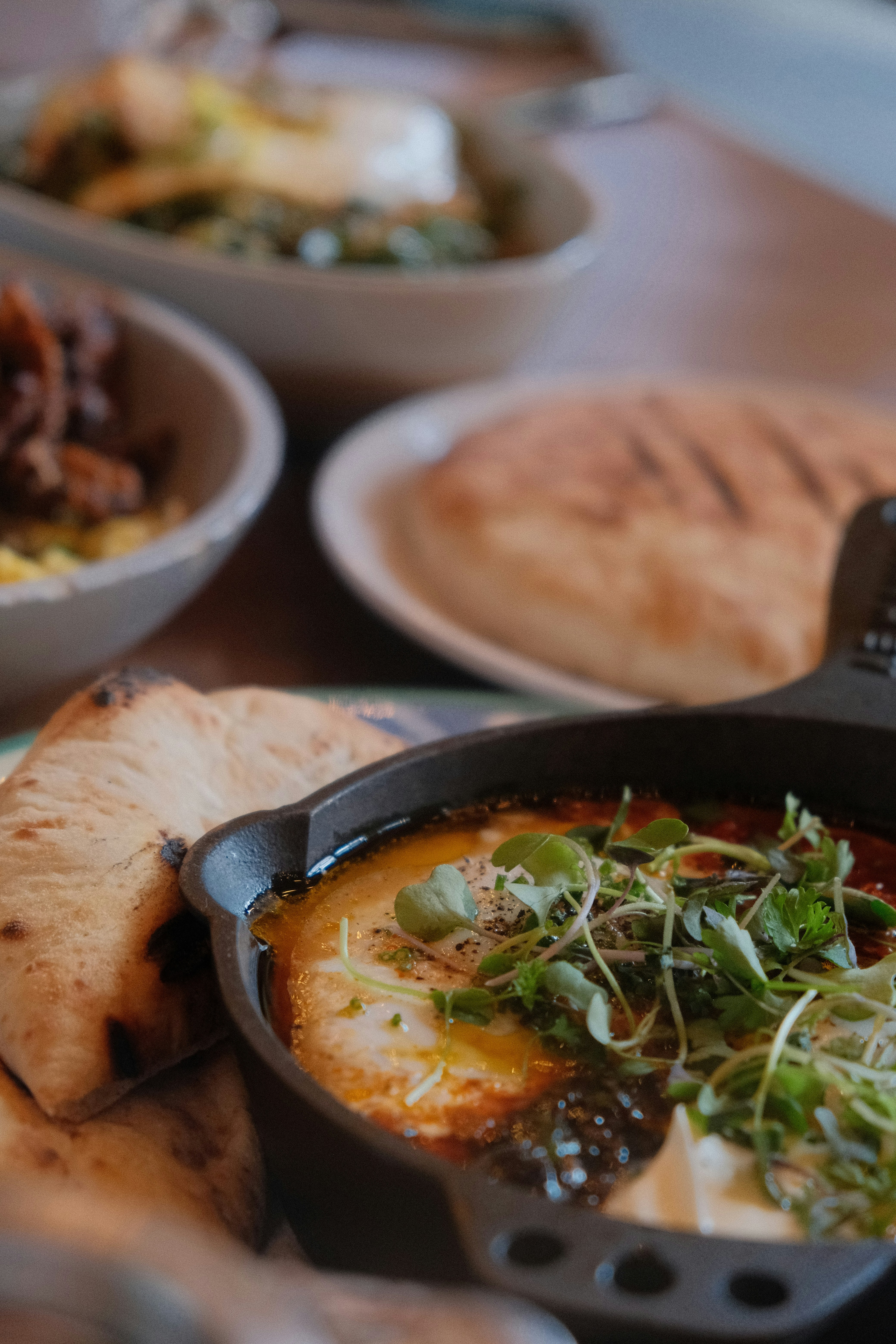
Jordanian home cooking is fundamentally different from restaurant food. The dishes that define the national table - mansaf, musakhan, zarb, maqluba - are labour-intensive preparations designed for communal eating, rarely ordered in a restaurant setting because they require time and scale. Taking a cooking class in Jordan is the most direct route into this domestic cooking tradition and provides context that no menu or guidebook substitutes for.
Classes operate at several points across the country, from established family-kitchen programmes in Amman to informal Bedouin cooking experiences in the desert.
Amman: The Widest Choice
Amman has the best-developed cooking class infrastructure in Jordan, with programmes that range from a few hours with a local family to full-day experiences combining market visits and meal preparation.
Beit Sitti (بيت ستي - “My Grandmother’s House”) in the Jabal al-Weibdeh neighbourhood is the most consistently recommended cooking class operator in the country. Three generations of women from the Al-Shawwa family opened the programme in 2011 with the specific aim of teaching visitors to cook the dishes they grew up eating. Classes run morning and evening, and participants prepare a full Jordanian meal - hummus from scratch, one or two hot dishes depending on the session, salad, and a dessert - before sitting together to eat. The experience costs approximately JOD 35–50 per person as of 2026 and needs to be booked at least 24 hours ahead; smaller groups have a better experience. The house itself is a traditional stone building with an open kitchen, and the environment is genuinely that of a family home rather than a demonstration space.
Typical dishes taught at Beit Sitti rotate seasonally: fattet hummus (chickpeas in yoghurt with bread and fried nuts), musakhan (roasted chicken over taboun bread with caramelised onions and sumac), and maqluba (an upside-down rice and vegetable dish) are regular features.
Sufra Restaurant offers a combined dining and demonstration experience rather than a hands-on class, but it is the best restaurant in Amman for observing how traditional Jordanian dishes are served and understanding their components. Dinner costs approximately JOD 12–20 per person, with the kitchen team willing to explain preparation methods.
Feynan Ecolodge (in the Dana Biosphere Reserve, not Amman) offers a different kind of cooking engagement - Bedouin women from the local community lead evening bread-baking sessions over an open fire, followed by a communal dinner prepared in the lodge kitchen. This experience is included in the lodge stay rate of approximately JOD 80–110 per night per person (including meals) as of 2026, rather than a standalone class. Given that Dana is a full-day journey from Amman, this makes most sense as part of a Dana trekking or nature stay.
Market Visits with Cooking
Some Amman cooking programmes include a morning visit to one of the city’s food markets before the class. Souk Jara runs on Friday mornings along Rainbow Street from approximately May to October; the organic produce and specialty vendors give context to Jordanian ingredient culture. Several cooking class operators (including some Airbnb Experience hosts) structure a visit to Souk Jara as the opening of a morning session.
The downtown produce market near Al-Husseini Mosque operates daily and is a more workaday experience, but the interaction with vendors who sell heirloom tomatoes, dried legumes, spice blends, and fresh herbs gives a better picture of the base ingredients in Jordanian cooking.
Petra and Wadi Musa
Petra Kitchen in Wadi Musa is the primary cooking class operator in the Petra region. Sessions run in the early evening and are structured as a group activity - participants arrive, are given an apron and a station, and work through the preparation of a standard Jordanian menu: salads, dips, a main dish, and dessert. The meal is eaten communally at the end. The experience costs approximately JOD 30–40 per person as of 2026 and is bookable via the Petra Kitchen website or through larger online platforms. Group sizes are limited to around 10–12 people per session; booking ahead is essential in high season (March–May and September–November).
The setting - a stone building with a cave-like interior typical of Wadi Musa architecture - is well suited to the experience. The context of cooking Jordanian food within a short walk of one of the world’s most visited archaeological sites adds something that a standalone Amman class cannot replicate.
Dishes taught at Petra Kitchen typically include hummus bi tahini, mutabbal (the smoked aubergine dip), fattoush, tabbouleh, and at least one main dish from the Jordanian repertoire. The programme is specifically designed for visitors who have no prior knowledge of Middle Eastern cooking.
For eating options beyond the class itself, see our full guide to restaurants near Petra and in Wadi Musa.
Dead Sea and Surrounding Area
The Dead Sea resort zone has fewer standalone cooking class programmes, but several of the large hotels - including the Kempinski Hotel Ishtar and the Mövenpick Resort - run occasional cooking demonstrations and themed dinners featuring Jordanian cuisine. These are hotel programmes rather than independent experiences; they tend toward demonstration rather than participation and are priced in line with hotel rates (approximately JOD 40–60 per person). Confirmation of current offerings requires checking directly with the hotel, as programmes change seasonally.
Some Dead Sea area tour operators offer day trips that include a Bedouin cooking experience at a camp near the Jordan Valley, combining the landscape with a hands-on preparation of zarb (the underground-pit slow-cooked lamb or chicken dish). These typically cost approximately JOD 25–45 per person including transport from the Dead Sea hotel zone. Availability is irregular; a Jordan tours operator or a local guide is the most reliable way to arrange this.
Zarb: The Dish Worth Learning
Zarb is the cooking method most uniquely tied to this part of the world and the one that is genuinely difficult to replicate outside a Bedouin context. Meat, vegetables, and spices are layered in a metal rack inside a sealed underground pit with burning coals. The result - after several hours - is a slow-cooked, slightly smoky, intensely tender preparation with no real equivalent in other traditions. Learning to prepare zarb requires either a cooking experience at a Bedouin camp or a specific programme in Wadi Rum, where overnight camp stays often include watching or participating in zarb preparation.
Several Wadi Rum camps - Rum Stars, Memories Aicha Luxury Camp, and Wadi Rum Night Luxury Camp - include zarb preparation as part of the overnight stay experience. This is bundled into the camp rate rather than a standalone activity.
What You Will Learn
Across most cooking programmes in Jordan, the core curriculum covers:
- Hummus - from dried or canned chickpeas, with sesame tahini, lemon, and garlic; the proportion variables that separate a good version from an indifferent one
- Tabbouleh - the ratio of parsley to bulgur (it should be mostly parsley) and how to balance lemon and olive oil
- Mutabbal - the technique of charring aubergine over flame to extract the smokiness
- Mansaf - the preparation of jameed (hard dried yoghurt) sauce, which cannot be substituted; classes that use fresh yoghurt instead are not teaching authentic mansaf
- Flatbread / khobz - hand-stretching and taboun baking, where available
- Maqluba - the layering and the inversion moment that gives the dish its name (“upside down”)
Booking Advice
Book Beit Sitti and Petra Kitchen at least 48 hours in advance; both fill in high season. For Bedouin camp experiences in Wadi Rum, the operator directly or through a confirmed Jordan travel operator is the reliable channel - platforms aggregate these but are not always current on availability.
Price Reference (as of 2026)
| Operator | Setting | Cost per person |
|---|---|---|
| Beit Sitti | Amman family home | JOD 35–50 |
| Petra Kitchen | Wadi Musa cave kitchen | JOD 30–40 |
| Hotel cooking demonstration | Dead Sea resort | JOD 40–60 |
| Bedouin zarb experience | Wadi Rum camp | Included in camp stay (JOD 50–120/night) |
| Dead Sea day trip with cooking | Jordan Valley | JOD 25–45 |
Guided Food Tours: Tasting Rather Than Cooking
If a full cooking class is more time than your itinerary allows, a guided food tour covers the essential Jordanian dishes in a shorter session. Amman operators run two- to three-hour walking tours that include falafel, hummus, knafeh, shawarma, and street sweets - tasting each dish in the context where locals actually eat it rather than in a demonstration kitchen. Food tours and cooking classes serve different purposes: classes build skill and understanding of technique; tours build taste memory and orientation. Many visitors benefit from a food tour earlier in the trip and a cooking class toward the end. Browse Amman food tours and culinary walks for current operators.
Plan Your Jordan Trip
Before leaving, pick up a Jordan eSIM from Airalo - set up before arrival, no SIM swapping at the airport. VisitorsCoverage travel insurance covers medical emergencies, trip cancellation, and evacuation for Jordan trips.
See Also
- Where to Eat in Amman
- Jordanian Cuisine Guide
- Where to Eat Near Petra
- Wadi Rum Tours and Camps
- Dana Biosphere Reserve
Plan Your Stay
Find hotels in Jordan - search accommodation across all budgets in Jordan.