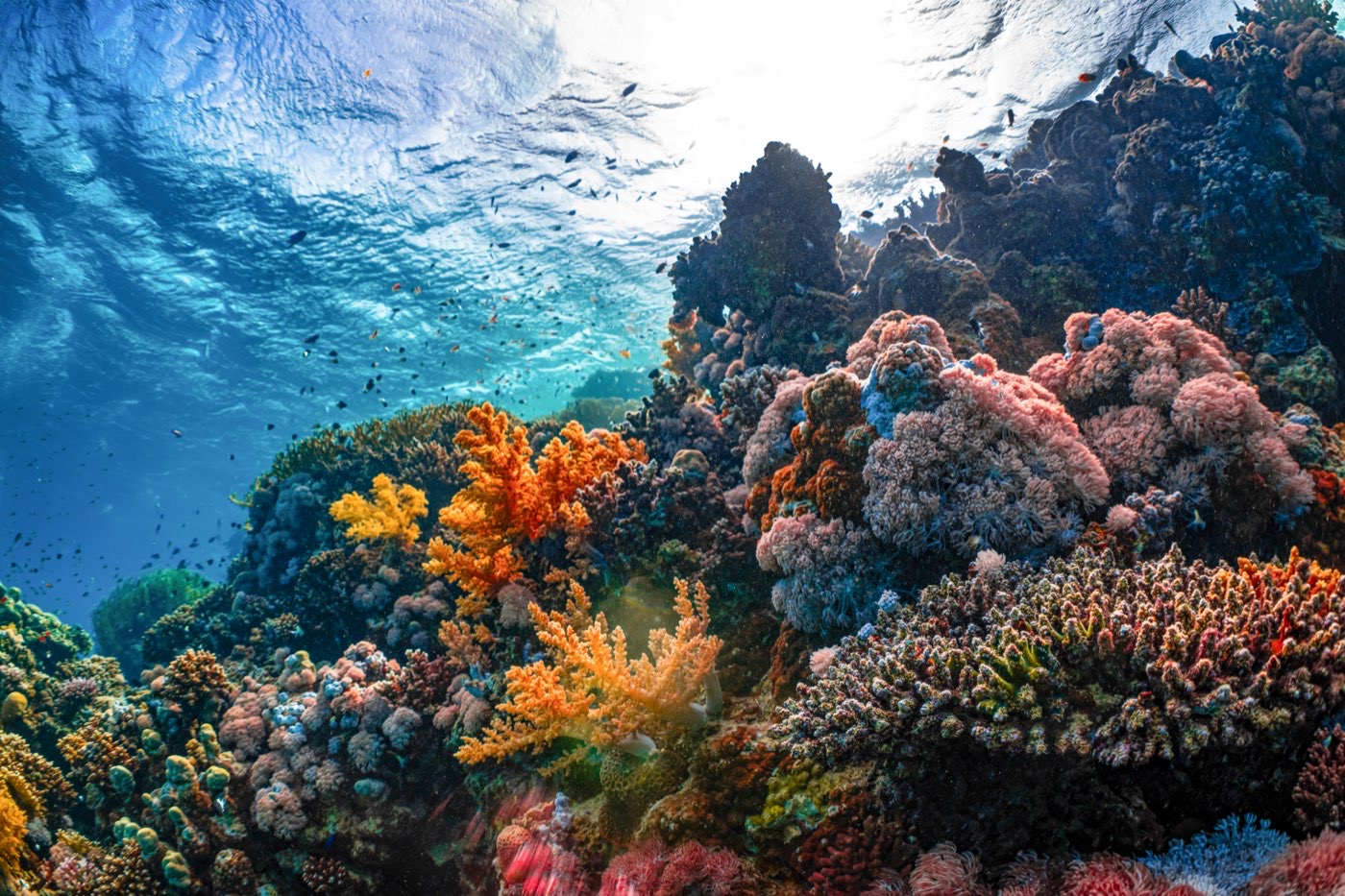
Aqaba sits at the northern tip of the Red Sea’s Gulf of Aqaba, surrounded by Egypt, Israel, and Saudi Arabia within a few kilometres of each other on different shorelines. The geography concentrates a remarkable reef system into a short stretch of coast. Jordan’s section - compressed between Eilat to the north and the Saudi border - has seven recognised dive sites covering wrecks, reef walls, and sandy slopes that together make Aqaba one of the more underrated diving destinations in the Middle East.
The site most visitors come specifically to dive is the Cedar Pride wreck. Everything else is a bonus.
Cedar Pride Wreck
The Cedar Pride is a 75-metre Lebanese cargo ship that was acquired by the Jordanian Royal Navy and intentionally sunk in November 1985, in coordination with the Cousteau Society, to create an artificial reef. The decision was prescient: the ship now sits at 20–25 metres maximum depth with its shallowest deck at approximately 7 metres, making it accessible to Open Water divers and, with an instructor, to introductory-level divers.
In 40 years, the Cedar Pride has been colonised comprehensively. Hard coral covers much of the hull. Soft coral formations (including the large branching types that only thrive in stable, current-washed positions) have established on the superstructure. The wheelhouse, cargo holds, and open deck spaces are penetrable at skill levels from Open Water upward, with hatches and windows providing light inside the main spaces.
Marine life on the wreck: Large schools of glassfish (sweepers) mass in the cargo holds and under the hull overhangs. Lion fish sit motionless against the coral-covered surfaces. Moray eels inhabit the crevices in the growing reef structure. Turtles are irregular visitors to the wreck site - sightings are common enough to feature in dive briefings as a possibility rather than a hope. Reef sharks in the Gulf of Aqaba are typically grey reef sharks, sighted occasionally at the Cedar Pride and more frequently at deeper reef sites.
The dive: Surface entry from a boat moored directly above the wreck (most operators run 2–3 daily trips). At the buoy line, descend to the deck at 15 metres, explore the superstructure, penetrate the cargo hold if qualified and accompanied, and ascend via the anchor chain or buoy line. A typical Cedar Pride dive runs 40–50 minutes at moderate depth and air consumption.
Other Aqaba Dive Sites
Aqaba Canyon: A reef drop-off that begins at 8 metres and descends to beyond recreational limits (40+ metres). The wall itself is densely colonised with seafan corals; the upper section (8–25 metres) holds high fish diversity. Best for intermediate to advanced divers wanting a pure reef experience rather than a wreck focus.
Power Station Reef: Named for the adjacent electricity facility, this site offers a gradual slope reef with excellent coral coverage in the 5–20 metre range. Frequently used for training dives by Aqaba operators because of its accessibility and predictable conditions. Good visibility, moderate current, accessible for all levels.
Japanese Garden: A shallow reef (3–15 metres) known for its coral density and fish diversity. Common species here include pufferfish, triggerfish, and parrotfish in large numbers. The name refers to the manicured quality of the coral formations rather than any Japanese connection. Ideal for snorkellers at the upper sections and for photographers who prefer shallow, brightly lit reef work.
First Bay and Saudi Border Reef: The reefs extending south from the Power Station toward the Saudi border are among the least-visited in the area because they require a longer boat trip. The coral condition at these sites is often cited as superior to the more heavily dived northern areas. Access is through a small number of operators who run dedicated trips; confirm availability and legal distance from the Saudi border boundary before booking.
Operators
Royal Diving Club (RDC): The most established diving centre in Aqaba, operating for decades at the same south beach location (10 kilometres south of the city centre). PADI 5-Star IDC Resort designation. The centre runs daily boat dives to all major sites.
Prices at RDC (as of 2026, approximate):
- Introduction/Discovery Dive: approximately JOD 25 (includes all equipment, instructor, lagoon + reef experience)
- Single fun dive (equipment included): approximately JOD 30–40
- Two-dive day package: approximately JOD 55–65
- PADI Open Water course: approximately JOD 280–320 (3–4 days)
The RDC also has a non-diving beach facility - day use access costs approximately JOD 20 and includes pool, shower facilities, and the beach, without any dive package required.
Dive Aqaba: A second PADI-affiliated operator with a focus on small groups and personalised service. Good reputation for beginner instruction. Prices are comparable to RDC - approximately JOD 25–35 for an intro dive, JOD 35–45 for fun dives with equipment. Located in Aqaba city centre, with boat transfer to dive sites.
Arab Divers: Smaller operator, well-regarded for technical diving and advanced trips to the deeper reef sites and less-visited locations south of the power station. Fun dives approximately JOD 30–40.
All operators provide all equipment - buoyancy compensator, regulator, wetsuit, fins, mask. Bringing your own mask (fit and seal) is always worth doing for comfort; everything else can be borrowed reliably from the shops above.
To book a guided dive directly: the Aqaba Dive Adventure - Red Sea is a GetYourGuide-listed tour covering boat transfer, equipment, and a guided dive at the Cedar Pride and a second reef site, suitable for Open Water-certified divers and above.
Snorkelling Without Diving
The reef accessible from Aqaba’s south beach is among the best snorkelling in the Red Sea for accessibility. No boat is required - walk into the water from the beach and swim 50–80 metres to reach coral at 3–5 metres depth.
Equipment rental: most beach operations charge approximately JOD 5–8 per day for mask, fins, and snorkel. The Royal Diving Club rents equipment to non-divers; the public beach areas near the south end of the city have independent rental stalls.
What to see snorkelling: the shallow reef here has dense coral coverage with high fish diversity - sergeant major fish, butterflyfish, wrasse, and parrotfish are constant. The occasional turtle passes through the shallow areas early morning (before 9am and after 4pm are best for wildlife encounters when the water is quieter).
Cautions: wear reef-safe sunscreen (or a rash guard) rather than chemical sunscreens that harm coral. Do not stand on or touch the coral - recovery from physical damage takes decades. The current at Aqaba is generally mild, but check conditions before swimming south along the reef boundary.
Practical Information
Getting to the dive sites from Aqaba city: The Royal Diving Club is 10 kilometres south of the city centre. A taxi from central Aqaba costs approximately JOD 6–8 each way. Most Aqaba hotels can arrange transport.
What to bring: Swimwear, towel, sun protection, and cash. Most equipment is provided. Bring a UV-protective rash guard if you are sensitive to sun - you will be in the water in direct sunlight at the Red Sea’s latitude (29°N), and the reflection amplifies exposure.
Combining with a Jordan trip: Aqaba is the natural endpoint of the Petra–Wadi Rum–Aqaba southern Jordan route. Flying from Aqaba back to Amman (Royal Jordanian Air Express, 45 minutes, from approximately JOD 30–60 one-way) avoids the 4-hour road return and fits naturally into a 7-day Jordan itinerary. To book in advance: Aqaba Dive Adventure - Red Sea covers a guided two-site boat dive (Cedar Pride + a reef wall) with equipment included. For a wider selection including beginner options, browse all Aqaba diving and snorkelling tours or check Aqaba dive and snorkel options on Klook. For same-day bookings, see our last-minute tours page for confirmed availability.