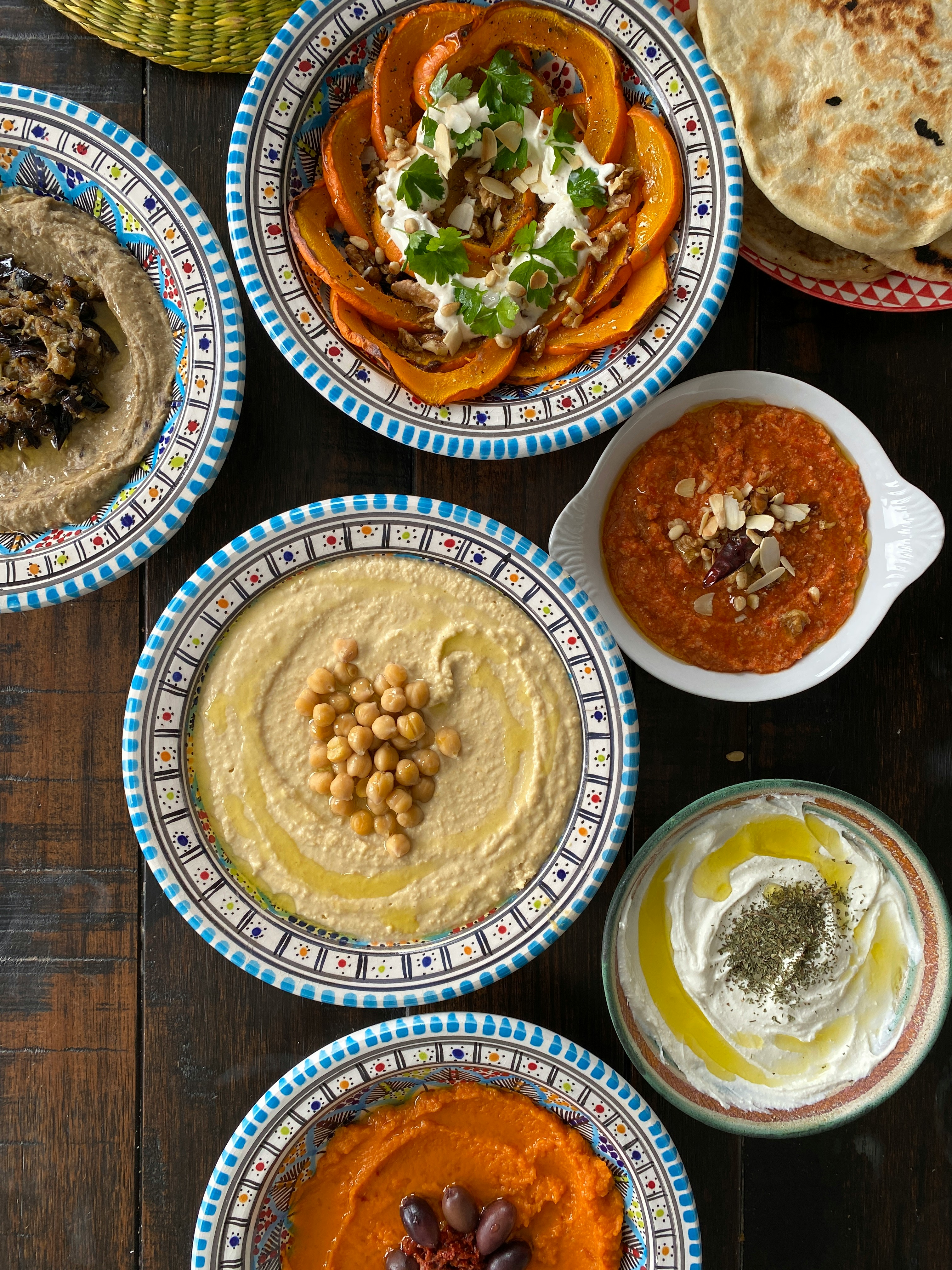
Eating well in Jordan requires knowing a few things: where the good neighbourhood restaurants are, what dishes justify the price difference between a street stall and a sit-down place, and which areas to focus on by city. This guide covers practical restaurant picks, price tiers, street food to prioritise, and the halal and dietary context you need to navigate menus confidently.
For a structured introduction to Jordanian food, food tours and cooking experiences in Amman run by local guides are a good way to cover several dish types in a few hours.
The Halal Context
Jordan is a Muslim-majority country with broadly observant food practices. Halal slaughter is the default — you do not need to ask or seek it out. Pork is absent from virtually all Jordanian restaurants; the exceptions are a small number of international-style restaurants in Amman’s upscale neighbourhoods and hotel dining rooms, where it appears on menus aimed at foreign guests.
Alcohol is more accessible than in neighbouring Gulf states. Licensed restaurants in Amman, Aqaba, and large hotels across the country serve beer, wine, and spirits without restrictions. The local beer (Amstel Jordan and Carakale, a local craft brand) is available in most licensed restaurants. Outside hotels and the main tourist strip in Aqaba, assume a restaurant is dry unless you see alcohol on the menu or liquor visible behind the counter.
During Ramadan, most restaurants in Jordan remain open throughout the day — a practical accommodation for international visitors — though the atmosphere changes: street food stalls close during daylight hours and the evening meal (iftar) after sunset becomes the main social event of the day.
Street Food: What to Prioritise
Falafel: Jordan’s best falafel is made fresh in the morning and usually sold by 11:00. The chickpea-and-herb mixture is ground coarser than Lebanese versions, resulting in a crunchier exterior. Cost: JD 0.30-0.50 per sandwich from a stall; JD 0.70-1.00 at a sit-down falafel shop.
Shawarma: Rotisserie-cooked chicken or lamb, shaved and wrapped in flatbread with garlic sauce and pickles. Quality varies enormously. In Amman, the strip along Rainbow Street and around the 3rd Circle area has reliable options. Cost: JD 1-2 per wrap.
Kanafeh: The classic Levantine sweet — shredded wheat pastry soaked in sugar syrup over a layer of mild white cheese, served warm. Best in Nablus-style shops with a thick, slightly crispy base. Cost: JD 1-2 for a portion.
Kunafa and sweets shops: The Habibah Sweets chain (multiple Amman branches) is the reference standard for kanafeh in the city. Knafeh portions cost approximately JD 1.20-1.80. There are nearly always queues in the evening; arrive in the late afternoon or early morning for faster service.
Hummus with ful: A morning staple — hummus topped with warm stewed fava beans, a drizzle of olive oil, and cumin. Found at neighbourhood hummus shops (often open 06:00-14:00 only). Cost: JD 1-2 for a plate with bread.
Where to Eat in Amman
Amman has the widest restaurant range in Jordan, from neighbourhood hummus shops to contemporary Jordanian and international dining. The main areas are Rainbow Street (Jabal Amman), Abdoun, Sweifieh, and the emerging dining strip in the Wadi Saqra / 4th Circle area.
Budget (under JD 6 per person)
Hashem Restaurant — Al-Malek Faisal Street, Downtown Amman. Open 24 hours. The most famous falafel and hummus shop in Jordan, operating since 1952. Plates of hummus, falafel, and ful cost JD 1-2 each. The space is basic, the food is consistent, and it is frequented as much by Jordanians as by tourists. No reservations, no menus — point at what you want.
Al-Quds Falafel — Rainbow Street. Multiple branches across Amman. Falafel sandwiches from JD 0.50. Reliable and quick; good for breakfast.
Sufra’s Takeaway Counter — If the full restaurant is above budget, Sufra on Rainbow Street operates a takeaway window with sandwiches and pastries at street prices (JD 0.80-2.00).
Mid-Range (JD 8-18 per person)
Sufra Restaurant — Rainbow Street, Jabal Amman. Open daily for lunch and dinner. A converted Ottoman house serving traditional Jordanian dishes — mansaf, freekeh, maqluba (upside-down rice with meat and vegetables), and a wide mezze selection. Mains cost JD 8-14. Booking is advisable for weekend evenings. The setting, with internal courtyard seating, is one of the better dining environments in Amman.
Fakhr El-Din — Taha Hussein Street, near 1st Circle. One of the oldest formal Jordanian restaurants in Amman, in a restored 1920s villa. Lebanese and Jordanian cuisine, strong on mezze and grilled meats. Mains JD 10-18. The mezze spread for two, including cold and hot dishes, runs approximately JD 20-25 and is a satisfying meal in itself.
Al-Quds Restaurant — Downtown, near the Roman Theatre. Traditional Jordanian cooking at honest prices. Mansaf (the national dish of lamb in fermented yoghurt sauce over rice) is cooked properly here and available daily. Portions for two cost approximately JD 12-16.
Shams El-Balad — Fawzi Mello Street, Rainbow Street area. A neighbourhood restaurant with a strong local following, serving traditional Jordanian home cooking including musakhan (chicken with caramelised onions and sumac on flatbread), maqlooba, and daily specials. Mains JD 7-12. Closes early — aim for a lunch visit or early dinner.
Upscale (JD 25-50 per person)
Tawaheen Al-Hawa — Abdoun. Contemporary Jordanian and Levantine cuisine in a polished setting. The kitchen does updated versions of traditional dishes alongside grills. Mains JD 18-28, mezze JD 5-9. The terrace overlooking the city is worth requesting at booking.
Fann Wa Chai — Jabal Lweibdeh, near the Jordan National Gallery. A gallery cafe by day and proper restaurant by evening, with a menu that shifts weekly. Creative Jordanian cooking with local ingredients. JD 15-25 per person.
Jordan Restaurant — at the Jordan Gate Towers, 5th Circle. Hotel-standard Jordanian and international menu. Good for groups with mixed dietary requirements. Buffet dinner approximately JD 25-30 per person.
Where to Eat in Aqaba
Aqaba’s restaurant scene is smaller and more tourist-oriented than Amman’s. Prices are higher near the beach hotels; better value is found a few streets inland.
Ali Baba Restaurant — within walking distance of the waterfront. A long-standing Aqaba institution serving grilled fish, seafood, and Jordanian standards. Fish dishes JD 8-14. Reliable for fresh Red Sea fish including hammour and sea bream.
Captain’s Restaurant — close to the marina. Grilled seafood and cold mezze. Popular with local families at weekends. Grilled whole fish for two approximately JD 18-25 including mezze.
Floka Restaurant — by the beachfront. Jordanian and international menu. Convenient for guests staying at Aqaba’s larger hotels. Mains JD 10-18.
Street food in Aqaba is centred around the main souq area and the streets east of the Corniche. Shawarma and falafel stalls are easy to find from late morning onwards; many operate until midnight.
Where to Eat in Petra and Wadi Musa
The Petra area has limited options outside hotel dining. Wadi Musa (the town adjacent to Petra) has several restaurants along the main street.
Basin Restaurant — inside the Petra Archaeological Park, near the end of the main trail. Buffet lunch only. Cost approximately JD 20-25 per person. Convenient for visitors spending a full day on the site who do not want to walk back to the entrance.
My Mom’s Recipe — Wadi Musa main street. Jordanian home cooking at honest prices, popular with backpackers and budget travellers. Mains JD 5-9. The mansaf is cooked properly and cheaper than hotel versions.
Sandstone Restaurant — Wadi Musa. Mid-range sit-down restaurant with a varied menu including Jordanian dishes and international options. Mains JD 8-14.
Most guesthouses in Wadi Musa include breakfast and can arrange dinner; prices for guesthouse dinner are often JD 8-12 per person and save a walk into town after a long day at Petra.
Dishes Worth Seeking Out Beyond the Basics
For the full story behind each dish, see our guide to Jordanian cuisine.
Mansaf: Best in Amman at traditional restaurants (Sufra, Al-Quds). The quality marker is the jameed — the dried fermented yoghurt sauce reconstituted and cooked with the lamb. Mass-produced versions taste thin and acidic; good jameed is rich, savoury, and complex.
Zarb: Bedouin slow-cooked meat, only available in Wadi Rum. Worth prioritising as a dinner experience at a desert camp rather than seeking at a restaurant.
Maqluba: Rice dish cooked with meat (usually chicken or lamb) and vegetables, then flipped upside-down on serving. Good versions appear at lunch in home-cooking-style restaurants; rarely on dinner menus.
Musakhan: Roasted chicken over flatbread with caramelised onions, olive oil, and sumac. Palestinian in origin but common in Jordan. Best at Palestinian-owned restaurants and family-style places.
Knafeh: Eat it warm from a specialist shop (Habibah Sweets in Amman) rather than from a buffet table.
Join a Guided Food Tour
A local guide changes what you can eat in Jordan. Guides know which falafel counter makes its mix fresh that morning, which knafeh shop has the shorter queue, and where downtown Amman’s best hummus is found without a tourist price markup. Food tours in Amman typically take two to three hours, cover four or five stops, and cost approximately JD 35–65 per person as of 2026. They are particularly useful on a first visit when orientation and food knowledge are both limited. Browse Amman food tours and culinary walks for available options and current prices.
Tipping and Payments
A service charge of 10% is added to bills at most mid-range and upscale restaurants — check the bill. Where no service charge appears, a tip of JD 1-2 per person is appropriate for table service. Cash is preferred at smaller restaurants and street stalls; major restaurants in Amman and hotel dining rooms accept cards.
Plan Your Jordan Trip
Before leaving, pick up a Jordan eSIM from Airalo - set up before arrival, no SIM swapping at the airport. VisitorsCoverage travel insurance covers medical emergencies, trip cancellation, and evacuation for Jordan trips.
Where to stay: Find hotels in Jordan - search accommodation across all budgets.