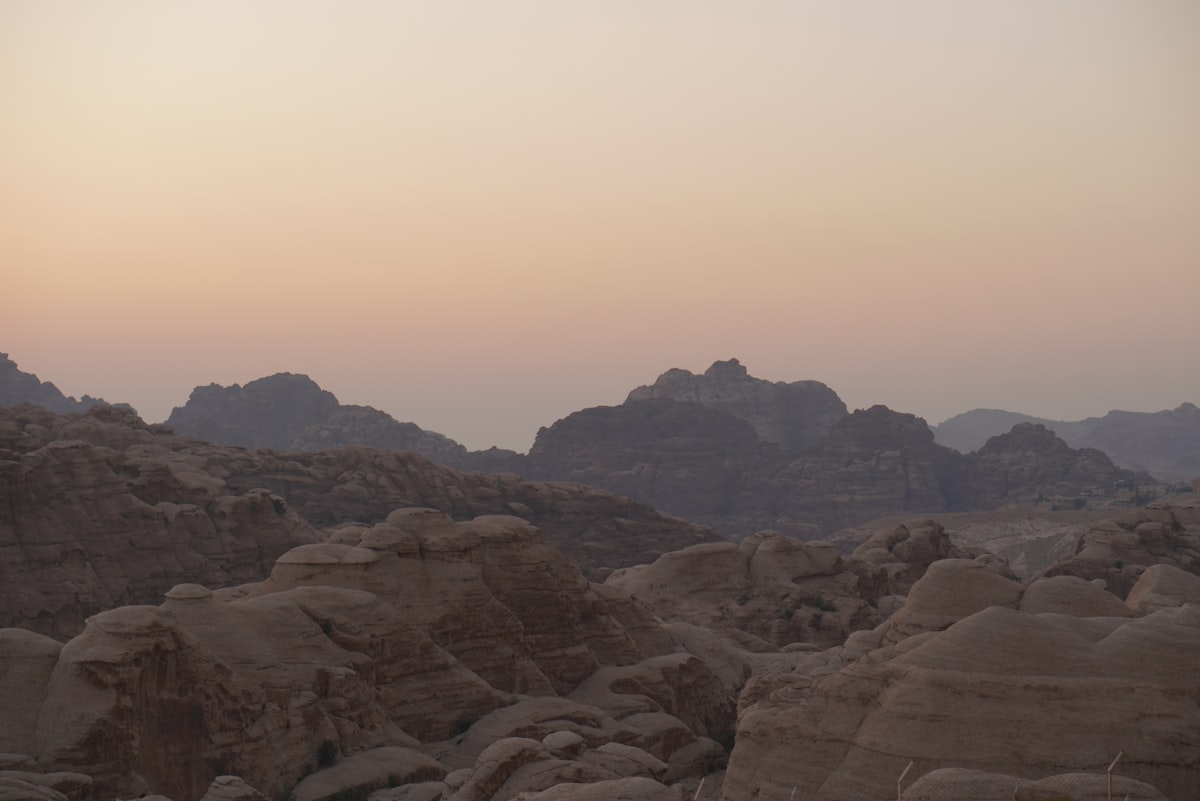
Dana is Jordan’s least-crowded major natural destination and one of the most rewarding. The Dana Biosphere Reserve covers approximately 320 square kilometres of canyon, desert, and highland - one of the few places in the world where four biogeographical zones overlap. The village of Dana sits on the canyon rim at approximately 1,100m elevation, with views that drop 1,400m to the desert below.
For individual hotel picks and prices, see our best hotels in Dana.
Accommodation is intentionally limited. Two RSCN-operated properties cover the full price range - one on the canyon rim, one at the canyon floor - and a small number of private guesthouses complete the picture. This is not a resort destination. What exists is genuine and, in the case of Feynan, exceptional.
This page focuses on the choice between the two main properties, transport, and the advance booking reality.
Best Area to Stay in Dana by Traveller Type
| Traveller | Best area | Why | Book |
|---|---|---|---|
| Independent hikers | Dana village | Canyon-rim views and trailheads, reachable by normal car | Dana village stays |
| Total immersion | Wadi Feynan | Solar-lit eco-lodge on the canyon floor, 4WD or a long walk in | Feynan eco-lodge |
| Stargazers | Wadi Feynan | No light pollution and very little mobile signal | Stays near Feynan |
| Budget | Dana village | Simple guesthouses beside the reserve | Budget stays |
Prices change by date, so check current rates on Booking.com.
The Two RSCN Properties: A Direct Comparison
| Dana Guesthouse | Feynan Ecolodge | |
|---|---|---|
| Location | Dana village, canyon rim | Canyon floor, Wadi Feynan |
| Access | Normal vehicle | 4WD or 14 km on foot |
| Electricity | Standard grid | Solar only - candles at night |
| Mobile signal | Variable | None |
| Rate | JOD 40–70/night | From about JOD 150/double (third-party listings, as of 2026) |
| Meals | Restaurant on-site (separate cost) | All meals included |
| Best for | Independent hikers, day trails, budget-conscious eco travel | Total immersion, remote experience, archaeology, birdwatching |
Rates as of 2026. JOD 1 ≈ USD 1.41.
Dana Guesthouse (RSCN)
The most accessible base for exploring the reserve. Sits at the top of Dana village on the canyon edge, occupying a converted traditional stone building. Rooms are simple - stone floors, basic furniture - but the canyon views from the roof terrace are excellent, and the main trails depart directly from the village.
Rates: Approximately JOD 40–70 per night for a double room as of 2026. Meals available separately at the attached restaurant (approximately JOD 5–12 for breakfast; JOD 12–20 for dinner). Dana Guesthouse or direct through the RSCN website.
Trails from the village: The Rummana Campsite trail (8 km), White Dome trail (4 km), and the Wadi Dana descent trail (14 km to Feynan) can all be started from Dana village. The RSCN desk at the guesthouse advises on trail conditions and guides.
Feynan Ecolodge (RSCN)
At the bottom of the canyon, surrounded by Wadi Feynan’s ancient copper mines and desert landscape. One of the most immersive eco-experiences in the Middle East. All rooms lit by candles and solar lamps. Communal meals sourced from local produce. Star-gazing sessions, guided copper mine walks, and birdwatching (the wadi is outstanding for migrant birds October–April).
Rates: EcoHotels publishes no rate card; third-party listings show double rooms from about JOD 150 per night (as of 2026), so confirm current rates on the Feynan Ecolodge page.
Getting to Feynan: Two options - walk the 14 km Wadi Dana trail from the village (5–6 hours, a proper mountain hike, guide recommended), or be collected by the lodge’s 4WD at a designated meeting point on the highway near Feynan. The lodge coordinates collection logistics when you book. Standard vehicles cannot reach the lodge.
Feynan has been listed among the best eco-lodges in the world by National Geographic and similar publications. The reputation is warranted - but the experience is not for everyone. If you need connectivity, hot showers at will, or a wide choice of activities, it is not the right fit.
Advance booking: Feynan has limited capacity and is one of Jordan’s most sought-after eco-stays. Book through the RSCN website as early as possible for October–April travel. Christmas and Easter are often fully booked months ahead.
Other Accommodation in Dana
Dana Tower Hotel and similar private guesthouses: A small number of private properties in Dana village offer rooms at approximately JOD 25–45 per night as of 2026. Standards are simpler than the RSCN guesthouse but adequate. The Dana Tower has a terrace with canyon views and can assist with trail information and guide bookings.
Wild Dana Eco Lodge: A private eco-camp and hotel near Dana with good Booking.com coverage and verified guest reviews. Combines hotel rooms with camping options at varying price points - a useful fallback when RSCN properties are fully booked.
Rummana Campsite (RSCN): A seasonal camping area within the reserve, operated by the RSCN for guided camping trips. Not a drive-up campsite - arrangements are made through the reserve management for guided multi-day stays. Check Booking.com or contact the RSCN directly for current availability.
Getting to Dana
No direct public transport runs to Dana village. Access is by private vehicle or arranged transfer.
From Amman: Approximately 210 km south via Route 35 (Kings Highway). Allow 2.5–3 hours. The Kings Highway passes through Madaba, Dhiban, and Tafila - the turnoff to Dana is signed near Tafila. Do not use the Desert Highway (Route 15) for this journey - the Kings Highway is the correct route and significantly more scenic.
From Petra (Wadi Musa): Approximately 60 km north on the Kings Highway. Allow 1–1.5 hours. The turnoff to Dana is signed before reaching Tafila.
From Aqaba: Approximately 200 km north via Route 15 and the Kings Highway transfer. Allow 2.5–3 hours.
Car rental: Renting a car in Amman or Aqaba is the most practical approach for visiting Dana, as the reserve is not easily accessible by public transport. See car rental in Jordan.
Private transfers: Most Dana accommodation providers can arrange transport from Aqaba, Petra, or Amman for an arranged fee. Feynan Ecolodge coordinates the final 4WD segment - ask about full transfer arrangements when booking.
Seasonal Notes
October–April: The best season for Dana. Cooler temperatures, migrant birds in the wadi, and the desert light at its most dramatic. Feynan is particularly busy during this period - book early.
May–June and September: Shoulder periods with warm but manageable temperatures. Good wildflower season on the higher trails in spring.
July–August: Very hot at the bottom of the canyon (Feynan). The village at the rim is cooler (approximately 1,100m elevation). Some travellers find the summer heat at Feynan oppressive. The lodge still operates but midday heat requires care.
Ramadan: Dana is quiet during Ramadan. RSCN properties remain open. Restaurant hours at the guesthouse change to align with iftar and suhoor. A unique time to experience the reserve.
What to Bring
Hiking footwear: The canyon trails require proper grip on uneven rock surfaces. Trainers are manageable for the short village trails; hiking boots are strongly recommended for the Wadi Dana descent.
Layers: Dana village at 1,100m is significantly cooler than the Jordan Valley or Aqaba. Evenings are cold year-round from October to April. Feynan at the canyon floor is warmer but still drops at night.
Guided tours: The RSCN provides guides for the Wadi Dana trail and reserve hikes; browse Dana and Wadi Feynan tours on GetYourGuide for independently operated guided treks and combined Kings Highway itineraries that include Dana as a stop.
Travel insurance: Dana is remote and emergency medical access from the canyon floor is slow. Arrange travel insurance for Jordan before departure - cover for hiking and outdoor activities in a remote environment is essential.
Cash: Dana village has no ATMs. Bring sufficient cash from Aqaba, Petra, or Amman. Feynan Ecolodge accepts cards for the main booking but not for extras.
Sun protection: Particularly at Feynan at the canyon floor, where reflective rock surfaces intensify UV exposure.