The Red Sea at Aqaba in July is among the clearest, warmest, and calmest it gets all year. Water temperatures have climbed to 25–27°C, surface conditions are consistently flat - the northerly wind that blows through the Gulf of Aqaba in winter has all but stopped - and visibility on the reef routinely reaches 20 to 30 metres. For divers and snorkellers, these are optimal conditions.
The Aqaba Marine Park
Aqaba Marine Park runs along 7 km of protected coastline between the First Bay and the Saudi border. The park is managed jointly by the Royal Marine Conservation Society of Jordan (JREDS) and the Aqaba Special Economic Zone Authority, and it’s one of the few marine protected areas on the Red Sea with meaningful enforcement infrastructure.
Within the park, several distinct reef systems are accessible by boat or directly from shore. The Japanese Garden dive site - named for the intricacy and density of its coral formations - is consistently rated among the best in the northern Red Sea. Coral gardens of Acropora table coral, brain coral, and giant barrel sponges support populations of lion fish, scorpionfish, grouper, barracuda, and reef sharks. Turtles are resident rather than seasonal; encounters on most dives are probable.
The park also contains several intentional wrecks: the Cedar Pride cargo ship was sunk deliberately to create an artificial reef in the 1980s and has since developed into one of the most colourful wreck dives in the region, encrusted with soft coral and schooling glassfish. A military tank and two small aircraft wrecks are accessible at shallower depths.
Conditions in July
The flat conditions of July suit both beginner and advanced divers. Shore entries along the beach road are calm enough for open-water students to complete certification dives without significant surge or current. The deeper sites - the Cedar Pride sits at 27 metres; the outer reef wall descends beyond 40 metres - are better accessed by boat for logistical reasons, but surface conditions rarely create weather-related cancellations in July.
Water temperature at depth is slightly cooler than at the surface: a 3mm wetsuit is comfortable for most divers at 25–30 metres. Night diving is popular in Aqaba in summer - the reef after dark reveals octopus, cuttlefish, and Spanish dancers (nudibranchs) that spend the day in crevices.
Dive Operators in Aqaba
Aqaba has a well-established dive operator community centred on the beach road. Most operators are PADI or SSI certified and run regular boat trips, equipment rental, and training programmes. The International Abyss Dive Centre and Dive Aqaba are among the longest-operating; several boutique operators have opened in recent years targeting the specialist technical and liveaboard market. You can book Aqaba diving and snorkelling tours in advance for the peak July season.
For non-divers in the group, snorkelling from the public beach gives access to reasonably healthy reef in the shallower zones, though the better coral is deeper. Glass-bottom boat trips operate for those who prefer not to enter the water.
Aqaba as a Base
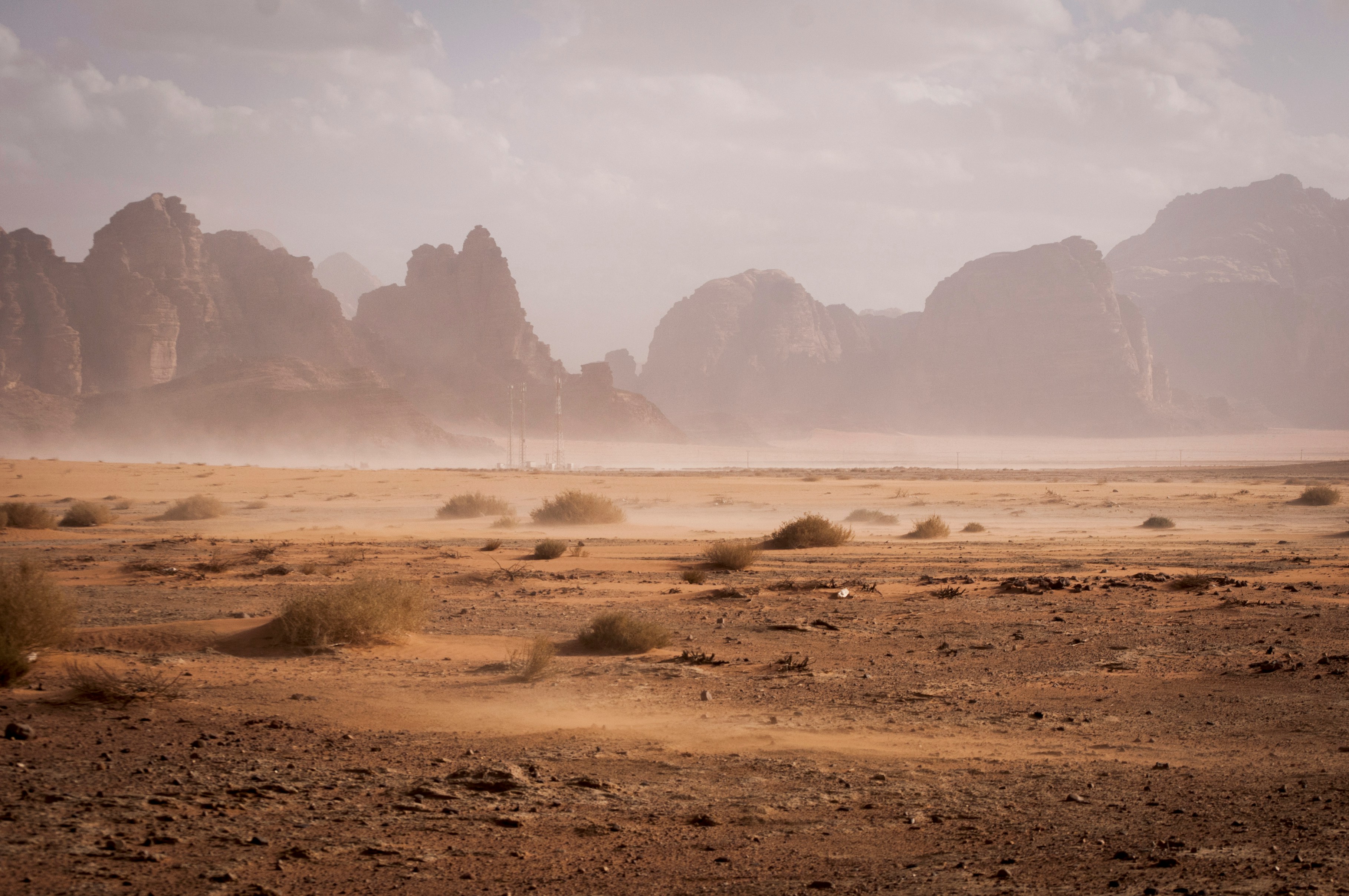
Aqaba works well as a starting or ending point for a Jordan itinerary. Wadi Rum desert is 60 km north along the Desert Highway; Petra is around two hours by road. Our Aqaba city guide covers accommodation, the beach road, and what to do beyond diving. For planning the complete southern Jordan route, see our guides to Wadi Rum and Petra. The full breakdown of Aqaba’s dive sites and operator recommendations is in our diving in Aqaba guide.