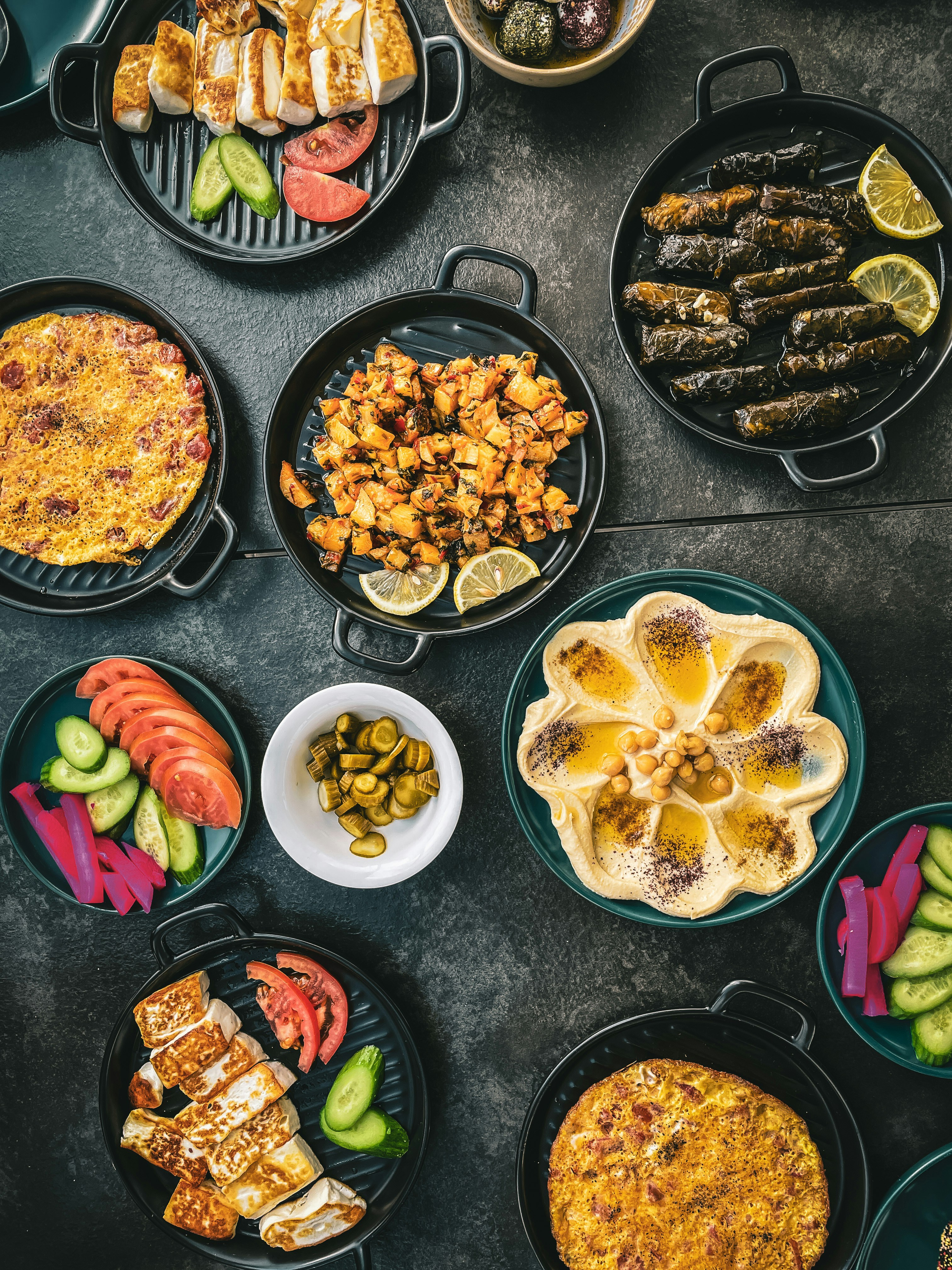
Wadi Musa is a town built to serve Petra, and its restaurants reflect that reality. Dining here is functional rather than culinary - there are no destination restaurants, no Michelin asterisks, nothing that would pull a visitor from elsewhere. What you do get is solid Jordanian cooking at fair prices, a handful of places that rise above the tourist-trap average, and one genuinely good cooking experience. After eight hours on foot inside one of the ancient world’s greatest sites, the bar for a satisfying meal is not particularly high.
The Dishes Worth Knowing
Mansaf is the dish Jordan identifies with more than any other: lamb, slow-cooked in a fermented dried-yoghurt sauce called jameed, served over a mound of rice and flatbread, often with a scattering of pine nuts. It is rich, tangy, deeply savoury, and nothing like the milder yoghurt sauces served elsewhere in the region. The best versions are made with proper jameed rather than a substitute, and have a slightly sour edge that cuts through the fat of the lamb. Several restaurants in Wadi Musa serve it; quality varies significantly.
Maqluba - also spelled maqloubeh - is an upside-down rice dish made with chicken or lamb, fried aubergine, potato, and cauliflower. The pot is cooked, then inverted onto a serving dish in a dramatic reveal. It is a staple of home cooking across Jordan and tastes considerably better at a local restaurant than at a hotel buffet.
Falafel with hummus is the workhorse lunch - available from dawn, cheap (approximately JOD 1–2 per portion as of 2026), and genuinely good when made fresh. The hummus in the Wadi Musa area tends toward the thicker, more heavily seasoned style common in southern Jordan, with generous olive oil and paprika. Look for stalls on the main road into town rather than the tourist-facing cafes.
Knafeh - the hot cheese and shredded pastry dessert drenched in sugar syrup - is the sweet worth ending on. Available from pastry shops in Wadi Musa town, typically for JOD 1–2 per portion.
Restaurants to Eat At
Al-Wadi Restaurant is consistently among the better options in Wadi Musa for a sit-down Jordanian meal. The menu runs mansaf, maqluba, grilled lamb, and mixed mezze. A full dinner for two costs approximately JOD 20–35 as of 2026. The restaurant is a short walk from the main entrance area and is popular with both locals and visitors. Portions are generous.
Petra Kitchen operates differently from every other dining option in town: guests cook their own three-course Jordanian meal alongside a local host, learn the basics of mansaf and a couple of mezze dishes, then eat what they’ve made. It runs as an evening experience starting around 18:30, costs approximately JOD 25–30 per person as of 2026, and should be booked in advance. It’s the most engaging food experience available in Wadi Musa - the meal itself is secondary to the context.
Seven Wonders Restaurant at Seven Wonders Hotel (on the main road, approximately 10 minutes’ walk from the entrance) serves straightforward Jordanian dishes and grilled meats. A meal for two runs approximately JOD 15–25 as of 2026. The food is reliable rather than remarkable - it functions well as a convenient dinner option after a long day at the site.
The Mövenpick Resort’s buffet deserves a mention for the practical-minded: it’s expensive by local standards (approximately JOD 30–40 per person as of 2026) but comprehensive and immediately accessible if you are staying there. The quality is hotel-standard rather than local-restaurant-standard, but the convenience after a draining day can outweigh the price gap.
Eating Strategy
Eat lunch outside the site. Stalls inside the Petra Archaeological Park sell water and basic snacks, but proper food is better and cheaper in Wadi Musa town, and the walk back through the Siq for a lunch break is time-consuming. The practical approach is to eat a solid breakfast at your hotel, carry water and a snack for the day, and eat lunch at a restaurant in town when you exit - ideally after the 06:00–12:00 window when the Monastery trail is clearest.
Breakfast at your hotel is usually the best option for the first meal of the day. Most guesthouses and hotels in Wadi Musa include breakfast, and eating at the property before walking to the 06:00 site opening saves time in the morning.
Avoid the main strip cafes near the entrance gate for anything more than coffee. The restaurants immediately adjacent to the ticket office cater to day-trippers with limited time and limited discernment - prices are high and quality is not proportionate.
Getting Around Wadi Musa for Food
The town extends along a single main road up from the entrance gate for about 2 kilometres. Restaurants are scattered along this road, with a small cluster around the town centre. Walking between the entrance area and the town centre takes around 15–20 minutes on foot; taxis (approximately JOD 1–2 for the short run) operate throughout the day.
For a broader look at visiting Petra, including what to see and how to plan your time, see our Petra city guide.
Take a Food Tour Near Petra
Some Petra-area operators include a food element alongside the archaeological visit - covering zarb preparation, Bedouin bread-baking, or a dinner at a local Wadi Musa family kitchen. These work best as evening experiences after the main site visit, when appetite is at its highest and the connection between ancient Nabataean trade routes and the spices still used in southern Jordanian cooking becomes tangible. Browse Petra tours with food experiences for current options.
Plan Your Jordan Trip
Before leaving, pick up a Jordan eSIM from Airalo - set up before arrival, no SIM swapping at the airport. VisitorsCoverage travel insurance covers medical emergencies, trip cancellation, and evacuation for Jordan trips.
More in Petra
- Things to Do in Petra
- Best Hotels in Petra
- Petra History: The Nabataean City
- Jordanian Cuisine Guide
Need a base? Search hotels in Petra on Booking.com