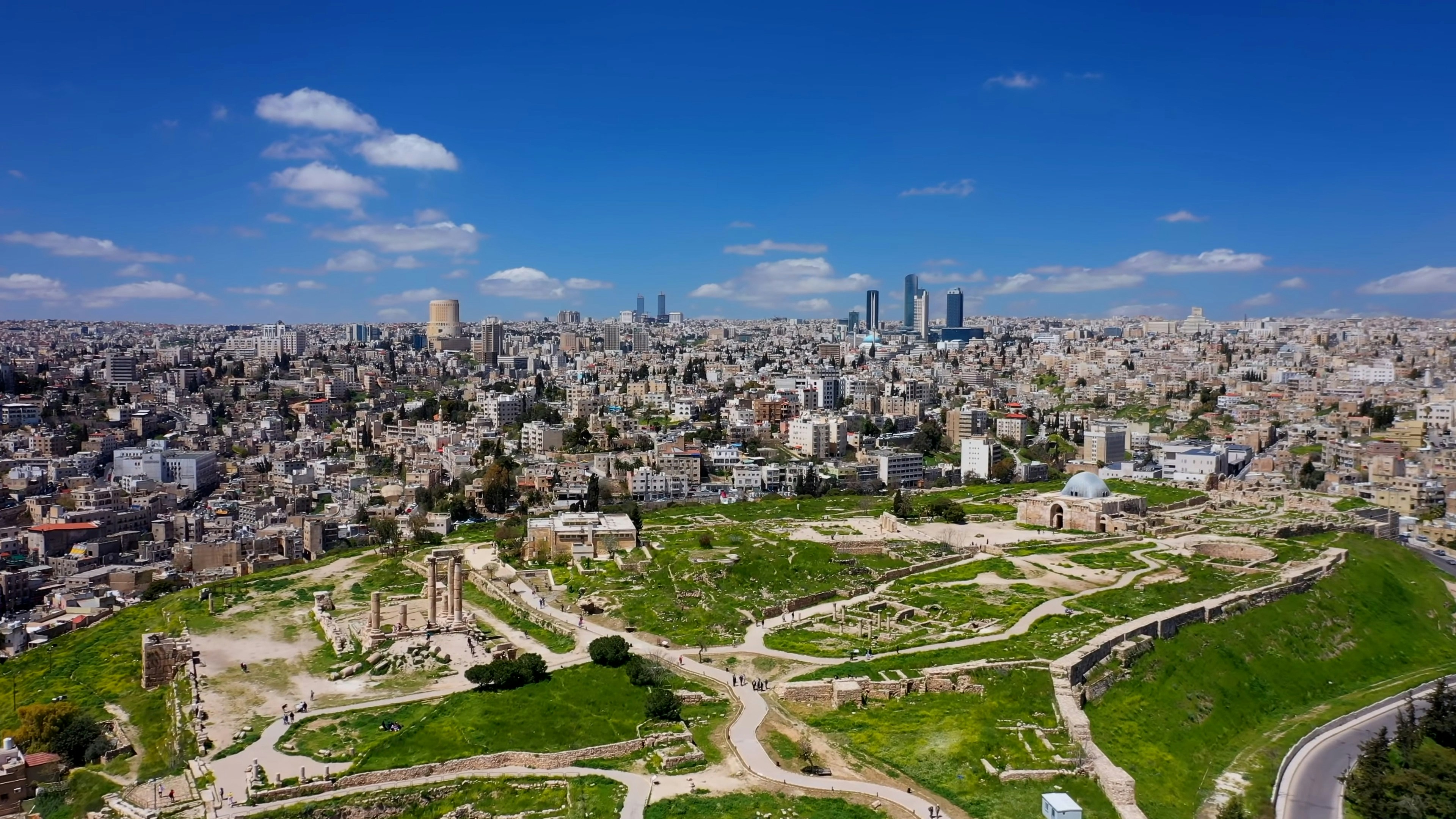
Irbid Travel Guide: Jordan's University City & Northern Hub
Everything you need for visiting Irbid: Jordan's second-largest city, gateway to Umm Qais and Ajloun, with hotels, restaurants and transport from Amman.
Guides for Irbid
Irbid is Jordan’s second-largest city, home to around 750,000 people and a substantial student population anchored by two major universities - Yarmouk University and Jordan University of Science and Technology (JUST). It does not feature prominently on most tourist itineraries, which is part of what makes it worth including. The city functions as a working Jordanian urban centre without the capital’s polish or the south’s archaeological overlay, and a half-day spent here gives a different view of the country than Amman or Petra provides.
For travellers basing themselves in northern Jordan to visit Umm Qais, Ajloun, and the surrounding area, Irbid is the most practical hub - cheaper than Amman, well-connected by road, and with enough character to engage with in its own right.
The City and Its Universities
Yarmouk University, established in 1976, dominates a large campus on the city’s western edge with green lawns and a central avenue that is particularly lively on weekday afternoons when the student population is between classes. The campus is open to visitors and worth a walk through for a sense of contemporary Jordanian student life. Jordan University of Science and Technology, on the city’s eastern fringe, is the country’s leading technical institution and draws students from across the Arab world.
The combination of two large universities has given Irbid a more cosmopolitan character than its provincial status might suggest. Bookshops, cafes, and cultural venues cluster around the university areas. The Yarmouk Cultural Centre hosts concerts, exhibitions, and theatre productions through the academic year - check its programme if you are in the city on a weekday evening.
Irbid Archaeological Museum
The city’s main cultural institution is housed in a building near the government compound in the city centre. The collection focuses on artefacts recovered from sites across northern Jordan - Roman and Byzantine pottery, coins, oil lamps, mosaic fragments, and inscribed stelae from regional excavations. Entry costs approximately JOD 1 as of 2026. Opening hours are 8am to 4pm, closed Fridays and public holidays.
The museum is modest in scale and can be covered in 45 to 60 minutes. It functions best as an introduction to the region’s history before visiting Umm Qais - seeing the Decapolis artefacts here provides useful context for the site’s material culture. The staff are generally helpful and knowledgeable if you arrive with specific questions about local archaeology.
The Friday Market
Irbid’s weekly market concentrates in the downtown area on Friday mornings and draws both city residents and vendors from surrounding villages. The market is a working event rather than a tourist attraction - produce, livestock, household goods, and clothing are the main trade. Arrive by 8am to catch it at full activity; by noon it is largely wound down. The energy and scale give a genuine picture of commercial life in a large Jordanian provincial city.
Even on non-market days, the downtown streets around the covered souq are active with small traders, fruit vendors, and the particular combination of shops that serves a large student population - mobile phone accessories, cheap clothing, bakeries, and juice bars.
Day Trips from Irbid
Irbid’s main value for travellers lies in its position as a base for northern Jordan’s archaeological and natural sites.
Umm Qais: 25km northwest, approximately 35 to 45 minutes by road. From Irbid’s West Station, shared taxis and minibuses run to Umm Qais for approximately JOD 1 per person. The ancient Decapolis city of Gadara, with its black basalt theatre and dramatic views over Syria, Israel/Palestine, and the Sea of Galilee, is one of the least-visited major sites in Jordan.
Ajloun: 40km south, approximately 50 minutes by car. Minibuses run from Irbid to Ajloun town. Ajloun Castle (Qal’at ar-Rabad) and the RSCN-managed forest reserve are both accessible from Irbid as a day trip, though allowing an overnight at the RSCN cabins in the forest is a significantly better experience.
Tell Irbid: The city itself is built on and around a Bronze Age and Iron Age tell - an archaeological mound formed by successive layers of ancient settlement. Tell Irbid has been excavated in sections and artefacts from it form part of the museum collection. The tell is not a formal visitor site but its presence underlines that this hilltop position has been occupied continuously for over four thousand years.
Where to Stay in Irbid
Irbid Plaza Hotel - One of the more established mid-range options in the city centre, a short walk from the main commercial streets. Rooms are clean and functional with reliable air conditioning. Rates run from approximately JOD 30–40 per night as of 2026. Convenient for the bus stations and the downtown market area; straightforward for early morning departures to Umm Qais.
Al Joude Hotel - A budget option in the city centre area, popular with business travellers and students’ visiting families. Rates from approximately JOD 20–28 per night as of 2026. No frills, but well-maintained and the staff are used to guests using Irbid as a northern base for day trips.
For travellers with specific budgetary concerns, Irbid has a range of very cheap guesthouses near the university areas - ask at the main bus station for current options, as these can change frequently.
For a longer list of options including university-area guesthouses and hotels suited to using Irbid as a northern Jordan base, see the where to stay in Irbid guide.
Search hotels in Irbid on Booking.com
Where to Eat in Irbid
Irbid’s food scene is driven by its large student population, which means an abundance of cheap, good food and less pressure to cater to tourist expectations.
Downtown falafel and shawarma shops - The streets around the covered market have numerous small restaurants serving falafel sandwiches for approximately JOD 0.75–1.00, shawarma wraps for JOD 1.50–2.50, and hummus plates for JOD 1–2. These are the cheapest and often the most satisfying eating options in the city.
University-area cafes and restaurants - Around Yarmouk University, cafes and informal restaurants serve a range of sandwiches, grills, and set lunch menus aimed at students. A full meal with drink runs approximately JOD 3–5 per person - significantly below Amman prices for comparable food. The area is most active at lunch (1pm to 3pm) and in the early evening.
For a more formal meal, several restaurants near the Irbid Plaza Hotel serve grilled chicken, kebabs, and mezze in a sit-down setting. Budget approximately JOD 6–10 per person at these establishments.
Getting to and Around Irbid
From Amman: Irbid is approximately 85km north of Amman, around 1 hour 20 minutes in normal traffic. Frequent minibuses run from Amman’s North Station (Tabarbour) for approximately JOD 1.50 per person. JETT operates scheduled coach services on the route for slightly more. During rush hours the journey extends to around 2 hours.
Within the city: Irbid has an extensive local minibus network operating on fixed routes for approximately JOD 0.20–0.35 per journey. The main bus stations - North, South, East, and West - are the connection points for both local services and departures to surrounding towns. Taxis are metered and affordable; a cross-city fare rarely exceeds JOD 3–4.
To northern sites: From Irbid’s West Station, shared taxis and minibuses serve Umm Qais (approximately JOD 1, 45 minutes), Ajloun (approximately JOD 1.50, 45–60 minutes), and the Syrian border crossings to the north (transit only, subject to current border status). A private taxi chartered for a day’s touring of Umm Qais and Ajloun from Irbid costs approximately JOD 30–45 depending on negotiation and actual mileage. For organised northern Jordan day tours from Amman that cover these sites, browse Jordan tours including Umm Qais and Ajloun.
More in Irbid
Book an experience
Top experiences in Irbid
Explore the best tours and activities in Irbid , with instant confirmation and free cancellation on most bookings.
Frequently Asked Questions
- Is Irbid worth visiting as a tourist?
- Irbid is not a major tourist attraction in its own right, but it is a practical and interesting base for exploring northern Jordan. It is Jordan's second-largest city, with a large student population that gives it a different energy from Amman. The Irbid Archaeological Museum and the surrounding area - particularly Umm Qais and the Friday market - reward half a day of genuine exploration.
- How do you get from Amman to Irbid?
- Irbid is approximately 85km north of Amman, around 1 hour 20 minutes by road. Frequent minibuses run from Amman's North Station (Tabarbour) to Irbid's main bus stations for approximately JOD 1.50 per person. JETT buses also run the route on a fixed schedule for slightly more. The journey time varies with traffic - allow 2 hours during morning rush hour.
- What is there to see in Irbid?
- The Irbid Archaeological Museum is the main dedicated attraction (Roman and Byzantine artefacts, JOD 1 entry). The Yarmouk University campus is worth a walk through for its scale. The Friday market in the downtown area is lively and worth timing your visit around. Irbid is best combined with day trips to Umm Qais (25km north) and Ajloun (40km south).
- Is Irbid cheaper than Amman?
- Yes, noticeably so. Hotels, restaurants, and local transport all run cheaper in Irbid than in Amman. The student population and distance from the main tourist circuit keep prices close to local rates. A full meal at a local restaurant rarely exceeds JOD 3–5 per person.