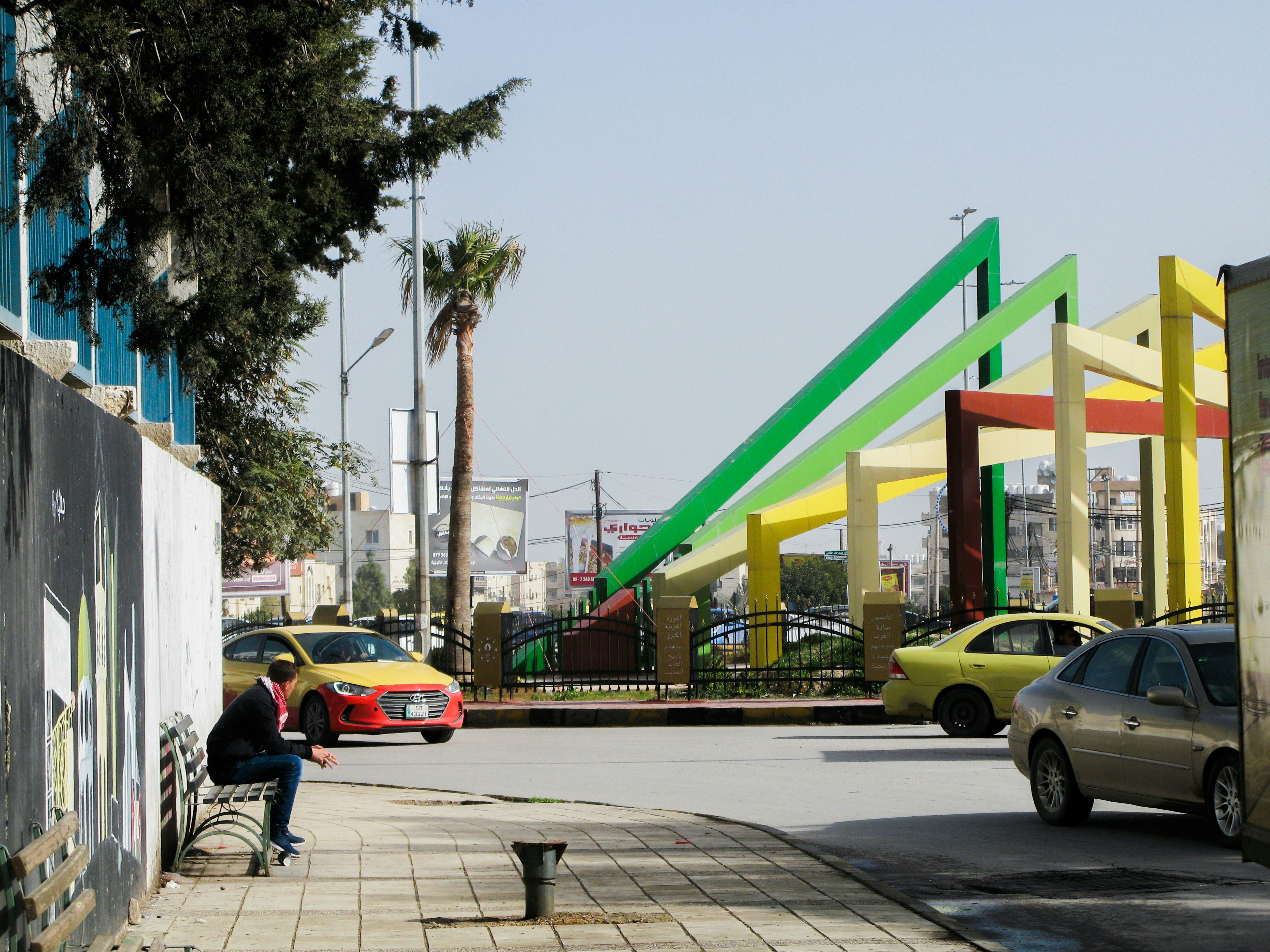
Irbid is Jordan’s second-largest city - a sprawling, traffic-heavy urban centre in the north of the country that moves at the pace of its students rather than its tourists. Yarmouk University and several other institutions give the city a population exceeding half a million, most of them young, and the streets around the university reflect this: coffee shops, bookshops, cheap restaurants, and a general sense of purposeful activity.
For international visitors, Irbid functions primarily as a logistics hub. It is the most convenient base for exploring northern Jordan’s archaeological sites - particularly Umm Qais - and a reasonable overnight stop when travelling between Amman and the Syrian or Israeli borders.
Dar As-Saraya Museum
The most substantial reason to pause in Irbid itself is the Dar As-Saraya Museum, housed in a restored Ottoman-era governor’s residence in the city centre. The building was constructed in the 19th century and later served as the district seat of government under the British Mandate. Its renovation into a museum was completed in the 1990s.
The collection covers Irbid’s long history, from prehistoric settlement through to the Hellenistic, Roman, Byzantine, and Islamic periods. Displays include pottery, coins, sculpture fragments, and household objects excavated from sites across Irbid governorate - including material from Umm Qais (ancient Gadara). Interpretive panels are in Arabic and English.
Entry costs approximately JOD 2 as of 2026. Opening hours are typically 08:00–16:00 Sunday to Thursday; confirm by phone before visiting as hours are occasionally adjusted. The museum is compact and can be covered in 45–60 minutes.
Yarmouk University and the Natural History Museum
Yarmouk University’s campus, west of the city centre, is one of Jordan’s largest and most architecturally coherent - built in a consistent sandstone style with wide pedestrian paths between faculties. During term time the campus has a lively atmosphere that is noticeably different from the commercial city streets.
The university’s Natural History Museum is housed on campus and displays geological specimens, taxidermied wildlife from the region, and information on Jordan’s ecosystems. Entry is free during academic hours (approximately 09:00–15:00 Sunday to Thursday). It is a modest collection by international standards but well-organised and worth 30 minutes if you are already on campus.
The area around University Street (Al-Jami’a Street) is the best part of the city for eating - a dense stretch of restaurants, shawarma stands, juice bars, and coffee shops serving primarily the student population. Prices are low and quality is reliable.
The Irbid Friday Market
Irbid’s weekly open-air market concentrates along the Al-Husn Road area on Friday mornings and draws vendors from across Irbid governorate. Produce, spices, clothing, and household goods compete for space in a genuinely chaotic but entertaining scene that gives a more accurate picture of northern Jordanian daily life than any museum.
The spice section is the most interesting for visitors - vendors sell dried herbs, za’atar blends, sumac, and Jordanian chilli mixes at prices well below what you would find in Amman’s tourist-facing shops. Arrive before 10:00 for the widest selection; the market winds down by early afternoon.
Umm Qais: The Essential Half-Day Trip
Umm Qais (ancient Gadara) is 30 km northwest of Irbid and represents the main reason most international visitors pass through the city at all. The Roman ruins sit on a ridge with one of Jordan’s most dramatic viewpoints - looking simultaneously over the Sea of Galilee to the northwest, the Yarmouk River gorge to the north, and the Golan Heights to the northeast.
The site’s Western Theatre, constructed largely from local black basalt, seats approximately 3,000 and is the largest theatre in northern Jordan. The colonnaded main street (decumanus maximus) is well-preserved, and the Ottoman village that grew up within the ruins houses the Umm Qais Museum, included in the entry price.
Entry to Umm Qais costs approximately JOD 3 as of 2026. Opening hours are 08:00–17:00 daily. Allow 2–2.5 hours on site.
Getting there from Irbid: minibuses from Irbid’s West Bus Station run to Umm Qais for approximately JOD 0.5 and take 35–40 minutes. A private taxi from Irbid costs JOD 10–15 one way; negotiate a return trip with waiting time (around JOD 20–25) if you want flexibility. There is no direct public transport from Amman to Umm Qais - Irbid is the essential transit point.
For full detail on what to see at Umm Qais, see our Umm Qais things to do guide.
Where to Eat in Irbid
Irbid does not have a restaurant scene aimed at tourists. What it has is a high concentration of well-priced local food serving a student and working population.
University Street area: The most reliable stretch for falafel, shawarma, grilled chicken, and fresh juice. Meals rarely exceed JOD 3–5 per person at the counter-service spots.
Al-Yarmouk Restaurant (near city centre): One of several sit-down establishments serving mansaf and grilled meats to families at weekends. Expect JOD 6–10 per person for a full meal.
For coffee and wifi, the chains (Books@Café, Caribou Coffee) have branches near the university. Independent cafés cluster along the university’s perimeter roads.
Getting to Irbid from Amman
Irbid is 90 km north of Amman, approximately 1.5 hours by road.
JETT Bus: JETT operates comfortable air-conditioned coaches from Amman’s North Bus Station (Abdali) to Irbid regularly throughout the day. Fare is approximately JOD 2 per person. This is the most comfortable and reliable public option.
Minibus: Cheaper services (approximately JOD 1–1.5) also depart from Abdali but use older vehicles and fill before departing. Travel time is similar.
Private taxi: A private taxi from central Amman costs approximately JOD 30–40 one way. If you are also visiting Ajloun or Umm Qais, negotiating a full-day driver from Amman (approximately JOD 70–90) makes more financial sense than piecing together multiple taxis. To join a guided northern Jordan tour from Amman that covers Irbid, Umm Qais, and Ajloun, browse Jordan day tours.
Driving: Highway 35 north from Amman is the main route. Traffic around Zarqa can add 20–30 minutes at peak times.
Search hotels in Irbid on Booking.com