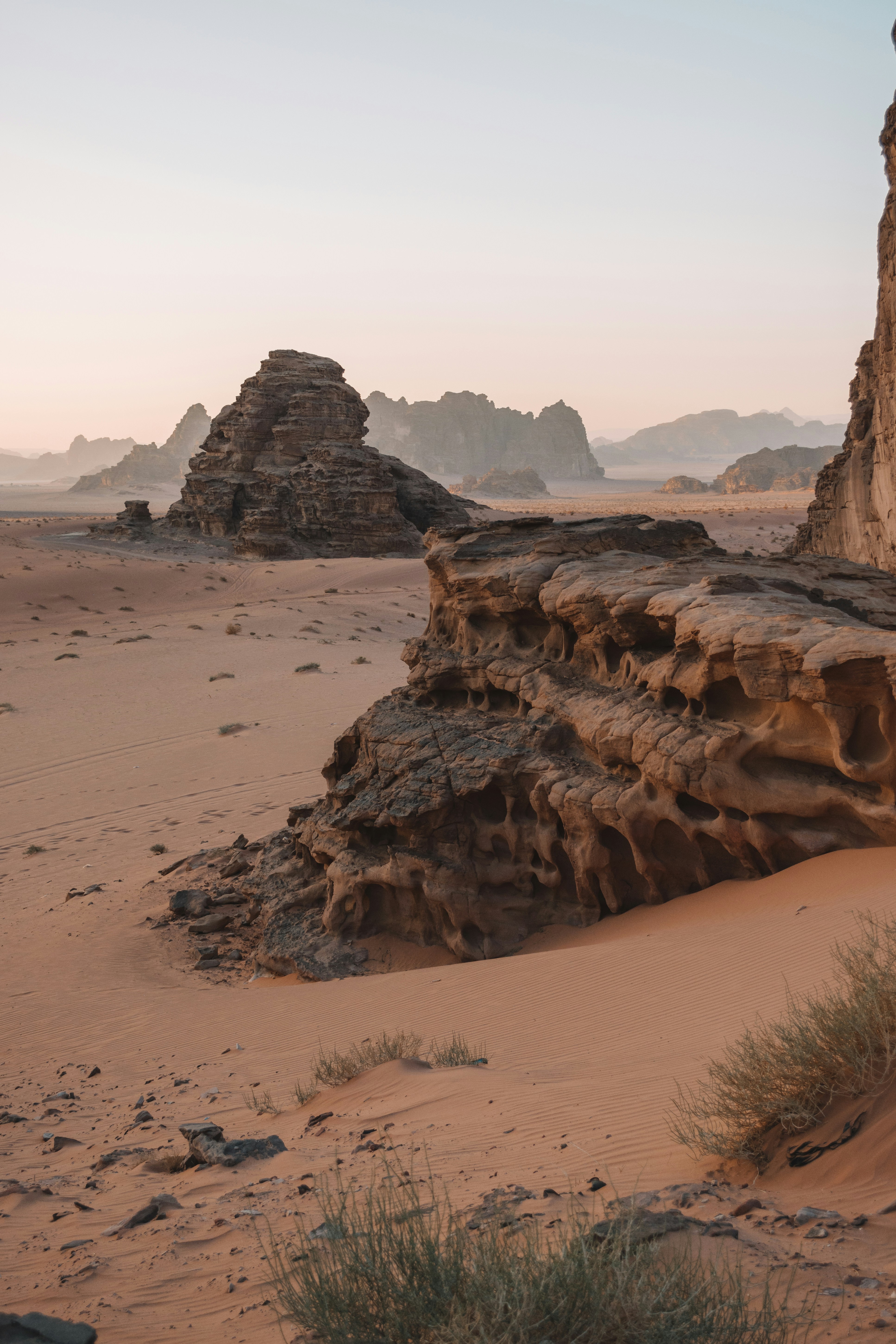
Petra and Wadi Rum are both on every Jordan itinerary for a reason - they are genuinely extraordinary places that are unlike anywhere else in the world. But they are also completely different experiences: one is an archaeological city carved into rose-red cliffs over 2,000 years ago; the other is a vast desert of red sand and surreal rock formations. If you are short on time, you may need to choose. Here is a direct comparison.
At a Glance
| Factor | Petra | Wadi Rum |
|---|---|---|
| Type | Archaeological site / ancient city | Desert protected area |
| Entry fee | ~JOD 50 (1 day) as of 2026 | ~JOD 5 visitor fee as of 2026 |
| Jordan Pass coverage | Yes - unlimited days | Yes - one-time entry |
| Days needed | 1–2 minimum | 1–2 |
| Distance from Aqaba | ~130 km north | ~60 km north |
| Distance from each other | ~100 km | ~100 km |
| Fitness required | Moderate to high (walking, climbing) | Low (jeep tours), higher for hiking |
| Accommodation | Hotels in Wadi Musa town | Desert camps inside the protected area |
The Case for Petra
Scale and spectacle
The scale of Petra is the thing that photographs don’t prepare you for. Walking the Siq - the 1.2 km narrow gorge that funnels you toward the site - takes about 20 minutes, and when the Treasury appears at the end of it, the effect is immediate and overwhelming. The carved rose-red sandstone, the scale of the façade, the sense of arrival after the narrow passage.
But the Treasury is just the beginning. Petra is a complete ancient city: the Colonnaded Street, the Byzantine Church with its mosaic floors, the Royal Tombs carved into the hillside, and the Monastery (Ad-Deir), which is larger than the Treasury and requires a 45-minute climb to reach. Entry to the main site covers all of these - there is no additional fee per monument as of 2026.
A one-day ticket costs approximately JOD 50 as of 2026. A two-day ticket adds approximately JOD 5. The Jordan Pass (approximately JOD 70–80 depending on tier as of 2026) includes Petra entry for multiple days along with 40+ other sites across Jordan and the Jordan visa fee - it is almost always worth buying if you plan to stay more than 2 nights in the country. More detail on the Jordan Pass is in our Jordan Pass guide.
What Petra is not
Petra is a walking site. The standard route from the entrance gate to the Monastery is roughly 9 km round-trip with around 800 steps on the Monastery path. In summer (June through August), temperatures inside the site can reach 38°C by midday. Horses, donkeys, and camel rides are available inside the site but horse welfare standards are variable. The experience is more demanding than it looks on social media.
Hotels near Petra
Accommodation is clustered in Wadi Musa, the town immediately above the entrance gate. The Mövenpick Resort Petra is directly adjacent to the gate - rooms cost approximately JOD 100–145 per night as of 2026, and the location is unbeatable for early starts. Rocky Mountain Hotel in Wadi Musa town offers reliable mid-range rooms at approximately JOD 40–60 per night. The Valentine Inn is a long-standing budget option at around JOD 20–35 per night with a rooftop and decent communal kitchen.
The Basin Restaurant inside the site (approximately JOD 8–15 per person as of 2026) is a good option for lunch mid-walk. In Wadi Musa town, Cleopatra Restaurant offers solid mezze and grills at JOD 6–12 per person.
The Case for Wadi Rum
The scale of the desert
Wadi Rum is 720 square kilometres of protected desert - more than enough to feel genuinely remote even with other tourists nearby. The red sand desert floor is broken by massive sandstone and granite formations that reach 1,750 metres. Lawrence of Arabia wrote about this place; NASA has used its landscape as a Mars stand-in for films. It earns those associations.
The standard way to see it is a half-day or full-day jeep tour with a Bedouin operator. A half-day tour costs approximately JOD 25–35 per person as of 2026 and covers the main sites: Lawrence’s Spring, Khazali Canyon, the sand dunes, and the sunset viewpoint. A full-day extends this to the southern reaches of the reserve.
For those who want to go deeper, there are multi-day hiking and camel trekking routes through the desert - these require advance booking through a licensed operator. See our Wadi Rum tours guide for operators and pricing, or browse Wadi Rum jeep tours and overnight experiences directly.
Sleeping in the desert
The overnight camp experience is what separates Wadi Rum from Petra. There are dozens of camps inside the protected area ranging from budget Bedouin tents to luxury bubble tents. The camp experience - dinner around a fire, sleeping under stars in a silent desert - is genuinely transformative and difficult to replicate anywhere else in Jordan.
Wadi Rum Night Luxury Camp runs transparent bubble tents with private desert views at approximately JOD 120–180 per person per night (half board) as of 2026. Rahayeb Desert Camp is a reliable mid-range option at approximately JOD 55–80 per person (half board). Budget camps start around JOD 25–35 per person including dinner and breakfast.
The dinner at desert camps is typically a zarb - meat and vegetables slow-cooked underground in a sealed pot - which is one of the better meals you’ll have in Jordan.
Head-to-Head Summary
| Question | Better choice |
|---|---|
| More visual impact per hour | Petra (just) |
| More affordable | Wadi Rum |
| Better for children under 10 | Wadi Rum |
| Better for history and archaeology | Petra |
| Better overnight experience | Wadi Rum |
| Better for photography | Even |
| Requires the most planning | Petra in peak season (Jordan Pass, early start) |
Can You Do Both?
Yes, and we recommend it. The three-day route from Amman south - Petra on day 1–2, transfer to Wadi Rum on day 3, overnight in the desert, continue to Aqaba - is one of the classic Jordan sequences. Our 3-day Petra and Wadi Rum itinerary covers this in full with logistics and accommodation suggestions.
If you genuinely have only one day and one choice, choose Petra. It is harder to replicate elsewhere and the single-day experience is dense enough to justify the entry fee. But if you have two or more days in the south of Jordan, split them between both sites.
Getting Between Them
The journey from Wadi Musa (the town serving Petra) to Wadi Rum village takes approximately 1.5–2 hours by private taxi - expect to pay JOD 25–40 depending on negotiation. JETT buses do not serve this route directly. Most visitors arrange transfers through their hotel or camp.
Final Verdict
Petra edges Wadi Rum for sheer archaeological drama and the density of things to look at. Wadi Rum wins on value, ease, and the quality of the overnight experience. Both are among the best experiences in the entire Middle East. Visit both if at all possible - they are close enough that choosing only one is usually a scheduling decision rather than a budget constraint.
More Jordan comparisons: Jerash vs Petra · Wadi Rum vs Dead Sea · Amman vs Aqaba
Explore both destinations: Petra city guide · Wadi Rum city guide · 3-day Petra and Wadi Rum itinerary
🏨 Search hotels in Petra — Search hotels in Wadi Rum
Plan Your Trip
✈️ Book your flights to Jordan 🛡️ Get travel insurance 📱 Stay connected with an eSIM 🚗 Rent a car