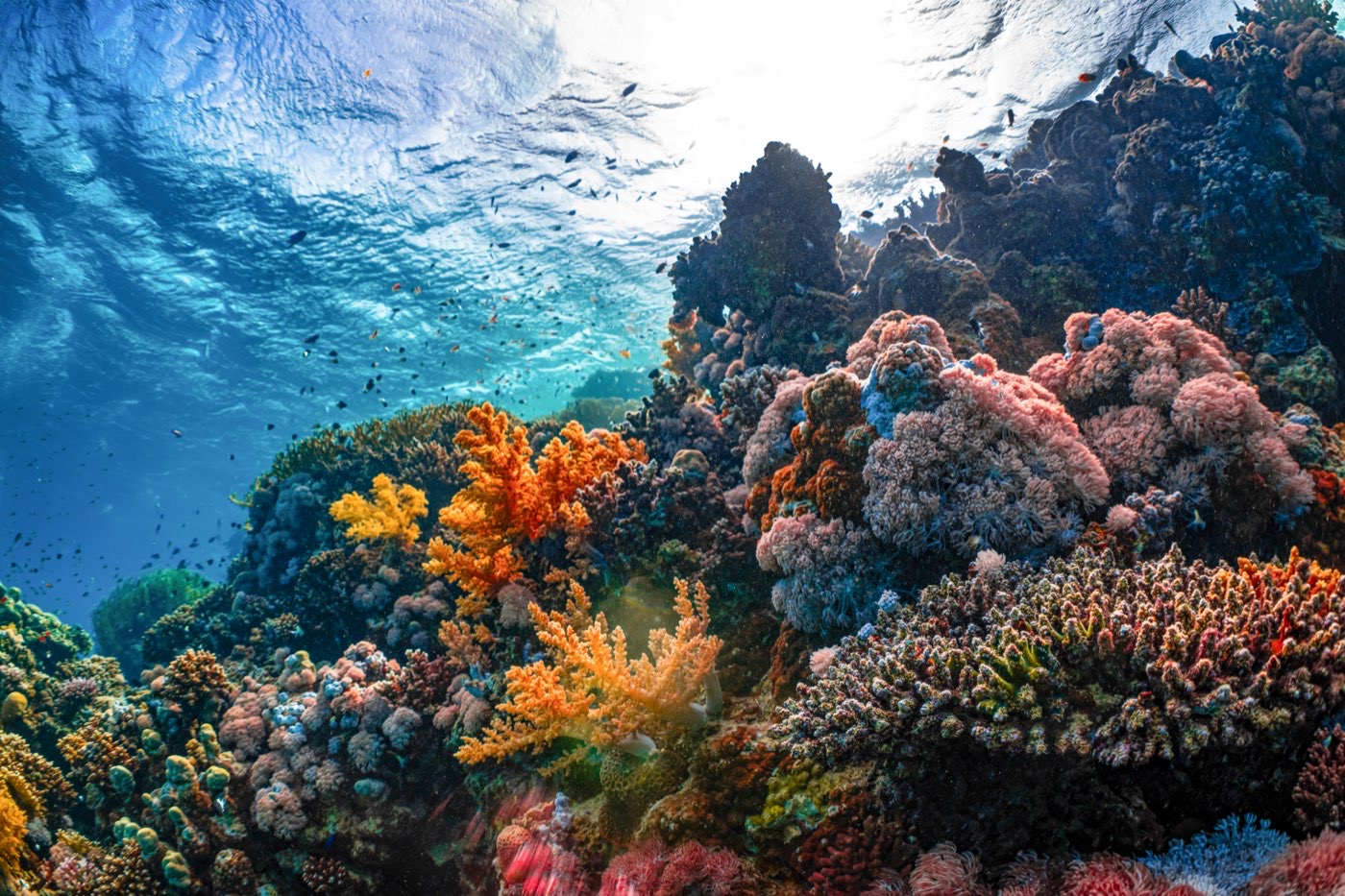
Aqaba sits at Jordan’s narrow outlet to the Red Sea - just 27km of coastline, but enough to access some of the finest reef snorkelling on the northern Red Sea. The water is warm year-round, the reefs are healthy (protected within the Aqaba Marine Park), and the main snorkelling sites are accessible without a boat.
Most visitors arrive in Aqaba thinking about the beach rather than the reef. That is a missed opportunity. The underwater landscape at the Japanese Garden, Coral Garden, and Cedar Pride wreck is more impressive than most European or Caribbean destinations, and at far lower cost.
The Marine Park
The Aqaba Marine Park (also called the Aqaba Special Economic Zone Marine Park or ASEZA Marine Park) protects approximately 7km of the southern Jordanian coastline. Entry costs approximately JOD 2 per person for the public access sections as of 2026. The Marine Park begins roughly 5km south of the city centre - you need transport to reach it. Taxis from the city run approximately JOD 5–8 each way; many hotels arrange shuttle buses to the south beach for guests.
Marine Park hours: Generally open from sunrise to sunset. Some access points have specific opening hours - confirm with your hotel or a local dive centre.
Top Snorkelling Spots
Japanese Garden
The most recommended shore-entry snorkelling site in Aqaba. The reef here is shallow (2–8m at the main snorkelling zone) with dense hard coral structures - branching acropora, table coral, and brain coral - covering an area of several hundred metres.
Marine life: Clownfish in sea anemones (easily visible from the surface), sergeant major fish, parrotfish, moorish idols, pufferfish, and in the deeper sections, occasional turtle sightings. Lionfish are present in the reef crevices - beautiful but do not touch.
Entry and access: You can enter directly from the sandy beach. The reef begins within 20–30m of shore. Fins are useful here as there are some areas of live coral that you should not walk on. Depth at the coral edge is approximately 1–2m, making this comfortable for inexperienced snorkellers.
Crowds: Japanese Garden is the best-known site and can get busy on Friday mornings (Jordanian weekend) and during peak tourist season (March–April, July–August). Visit on a weekday morning for quieter conditions.
Coral Garden
Located approximately 1km south of Japanese Garden, Coral Garden has a more varied reef profile: a shallow inner section suitable for beginners transitions to a reef wall that drops to 18–25m. The wall is diving territory, but the upper section (3–8m) is excellent snorkelling.
Marine life: Similar to Japanese Garden but with a higher chance of larger fish - grouper, snapper, and occasionally barracuda in the mid-water column. The wall provides habitat for soft corals, sea fans, and crinoids visible from the surface on a calm day.
Entry: Slightly more challenging than Japanese Garden - the entry point is rocky in sections. Water shoes are useful. The reef begins closer to shore than Japanese Garden, within 10–15m.
Cedar Pride Wreck (Shallow Snorkel)
The Cedar Pride is a cargo ship deliberately sunk in 1985 to create an artificial reef. It is primarily a dive site (13–25m), but the upper deck structure is visible in clear conditions at snorkelling depth and provides an unusual experience.
For snorkellers: The wreck’s highest points are approximately 5–8m below the surface - just within comfortable breath-hold range for a confident snorkeller. You cannot penetrate the wreck by snorkelling, but the exterior is colourful with soft coral and fish life.
Access: The Cedar Pride requires a short boat ride (most dive boats pass over it as part of boat tours) or it can be reached by swimming approximately 400m from the shore entry point - viable for experienced swimmers but not recommended as a first Aqaba snorkel.
Snorkelling Tours
Several operators run half-day and full-day snorkelling boat trips that visit multiple sites including Japanese Garden, Coral Garden, and occasionally the Cedar Pride:
Aqaba Adventure Divers offers combined dive-and-snorkel boats - non-divers snorkel while certified divers go deeper. Half-day trips run approximately JOD 35–50 per person as of 2026, including equipment.
International Arab Divers Village has a well-equipped beachside facility south of the city centre with snorkelling rentals, guided snorkel tours (approximately JOD 40–55 as of 2026), and direct water access.
Snorkelling boat charters (private, 4–6 persons) run approximately JOD 120–180 for a half day from the port as of 2026 - economical if split between a group.
Two standout options to book directly:
- Aqaba Red Sea Cruise & Snorkeling - a half-day boat trip visiting multiple reef sites with equipment included, run by an established Aqaba operator.
- Aqaba Glass Boat & Snorkeling + Beach Club - combines a glass-bottom boat reef viewing session with a snorkel stop and day use of the Berenice Beach Club. Good option if you have mixed abilities in the group (non-snorkellers see the reef without entering the water).
For a wider range of operators and dates, browse all Aqaba snorkelling and boat tours on GetYourGuide.
What to Rent, What to Bring
Mask: The quality of your mask matters more than any other piece of equipment. Rental masks often have inferior silicone seals that leak. If you plan to snorkel seriously, bring or buy your own. Budget masks available from the dive centres or Aqaba shops cost approximately JOD 15–25 as of 2026.
Fins: Useful for covering distance and avoiding accidental contact with coral. Rental fins in most sizes are available. Open-heel fins over booties are better for rocky entries.
Wetsuit: Optional in summer (water is 27–28°C); a thin shorty (3mm) is comfortable in winter. Most centres rent wetsuits for approximately JOD 5–10 as of 2026.
Sun protection: Factor 50 reef-safe sunscreen is recommended - conventional sunscreens with oxybenzone and octinoxate are harmful to coral. Several brands of reef-safe sunscreen are available at Aqaba pharmacies and dive shops, though at higher prices than at home.
Water shoes: Useful for rocky entry points, especially at Coral Garden. Not needed at Japanese Garden which has a sandy entry.
Year-Round Conditions
| Season | Water Temp | Visibility | Notes |
|---|---|---|---|
| January–February | 20°C | 15–20m | Clear; wetsuit useful |
| March–May | 22–24°C | 18–25m | Excellent - spring peak |
| June–August | 26–28°C | 15–20m | Warm; busiest period |
| September–November | 25–27°C | 18–25m | Excellent - quieter than spring |
| December | 21°C | 15–20m | Clear; wetsuit recommended |
Occasional jellyfish (moon jellyfish) appear in summer - minor sting, not dangerous.
Getting There from the City
Aqaba’s coral reefs and Marine Park are south of the city centre. Options:
- Taxi: JOD 5–8 from central Aqaba to Japanese Garden / South Beach area, approximately 10 minutes.
- Hotel shuttle: Many south-beach resorts (Kempinski, InterContinental, Movenpick) offer shuttle buses to the beach strip - confirm with your hotel.
- Rental bike or scooter: A flat coastal road runs the full length - cycling to the Marine Park takes approximately 20–25 minutes from central Aqaba.
For a full day of snorkelling, arriving at a dive centre by 8–9am is ideal - water conditions are calmest in the morning and you can cover two sites before midday.
Our best tours in Aqaba roundup covers snorkelling, diving, boat trips and day tours.