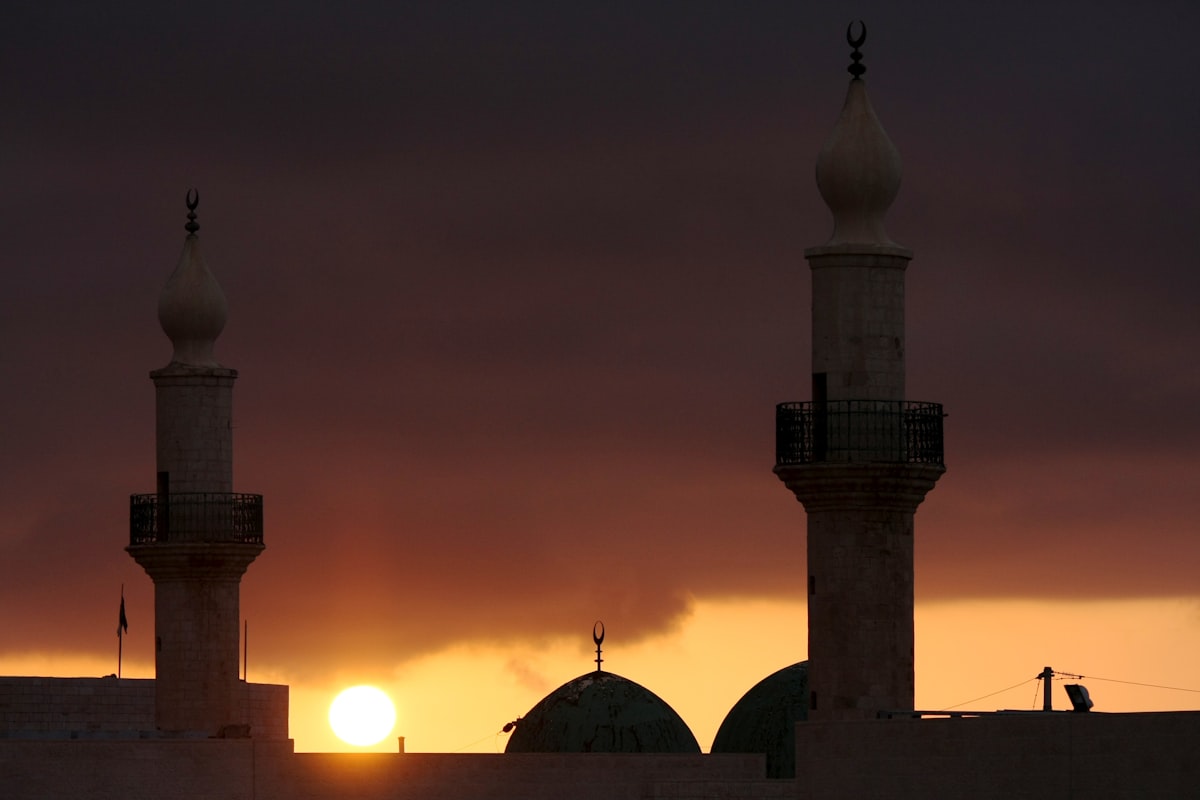
Jordan is one of the easier countries in the Middle East for first-time visitors to navigate culturally. Jordanians are, as a rule, patient with tourists making honest mistakes, and the country’s long history with international visitors means most urban Jordanians are accustomed to different cultural norms. That said, knowing the key customs in advance makes interactions more comfortable, shows respect, and occasionally opens doors that are otherwise closed.
What follows is practical guidance, not a comprehensive anthropology of Jordanian culture. The rules are not complicated, but a few specific situations - mosques, Ramadan, Bedouin hosts - have distinct expectations that are worth understanding before you encounter them.
Dress Code
In Cities and Tourist Sites
Jordan is a moderate Muslim-majority country. The dress expectation for tourists in Amman, Petra, Jerash, Wadi Rum, and most cities sits somewhere between “no obligation to cover” and “respect local norms.” In practice:
- Women: Loose-fitting tops that cover shoulders and a skirt or trousers covering the knees are appropriate and comfortable. You will not be refused entry to tourist sites for wearing shorts, but in traditional neighbourhoods like Amman’s Balad (downtown), more coverage is appreciated. In upmarket Amman neighbourhoods (Abdoun, Rainbow Street area), the dress code is noticeably more relaxed.
- Men: Shorts are fine at tourist sites and beach areas. In traditional markets and mosques, long trousers are preferable.
- Both: Clothing with large amounts of exposed skin, very tight fits, or explicitly non-religious graphic imagery can attract unwanted attention in conservative areas. Practical loose linen or cotton clothing is also simply more comfortable in the heat.
At Mosques
Jordan’s most significant mosques - the King Abdullah I Mosque in Amman, the Al-Husseiny Mosque in Amman’s downtown, and local mosques throughout the country - welcome non-Muslim visitors outside of prayer times. When entering:
- Remove shoes before crossing the threshold (a shoe rack or shelf is always provided)
- Women should cover hair with a scarf - most mosques provide loaner scarves at the entrance
- Both genders should cover shoulders and knees
- Speak quietly and avoid walking in front of people who are praying
- Do not visit during active prayer times unless you intend to observe quietly from the perimeter - the five daily prayer times are posted at mosque entrances and are widely available in weather apps
At Churches
Jordan has an active Christian community and significant biblical sites - Madaba, Mount Nebo, the Baptism Site. At churches:
- Dress modestly (covered shoulders and knees)
- Head coverings are not required but you may see local women wearing them
- Photography is usually permitted inside but confirm before shooting during services
At the Dead Sea and Aqaba
Beach dress norms apply within resort grounds. Standard swimwear is acceptable at resort pools and private beach areas. On public Dead Sea beaches (where they exist), more modest swimwear is appropriate. In Aqaba itself - the town centre rather than the resort strip - normal modest tourist dress applies.
Greeting Customs
The standard greeting is “As-salamu alaykum” (peace be upon you), responded to with “Wa alaykum as-salam” (and upon you peace). You are not required to use this greeting - a simple English “hello” or Arabic “marhaba” (hi) is perfectly fine and universally understood.
Handshakes: Between men, a handshake is the standard greeting. Between women and men who don’t know each other, the situation varies - more conservative Jordanians may prefer not to shake hands across genders. The safest approach as a visitor: wait for the other person to extend a hand before reaching out. If someone presses a hand to their chest instead of extending it for a handshake, that is the polite decline - respond with the same gesture and a smile.
Between women: Handshakes and cheek kisses (two or three, depending on relationship and region) are common. Foreign women visiting Jordan will typically be offered a handshake by men in professional or tourist contexts.
“Ahlan wa sahlan” (you are welcome here) is a common phrase you’ll hear. The appropriate response is simply “ahlan bikum” (welcome to you too).
First-name basis: Jordanians will often use first names quickly in conversation. This is friendly, not presumptuous.
Ramadan
Ramadan shifts by approximately 11 days earlier each year; confirm current dates before travelling (always check current Islamic calendar - the exact start depends on moon sighting). During Ramadan:
- Eating and drinking in public during daylight hours is technically illegal for Muslims, and tourists are expected to be discreet - avoid eating openly in streets, local markets, or traditional cafes during fasting hours
- Most restaurants in tourist areas and hotels remain open throughout the day for non-Muslims, though service may be reduced
- Alcohol is typically not displayed in shops and may only be served in hotel restaurants - not in standalone restaurants, even those that normally serve alcohol
- Business hours shift - many government offices, shops, and services operate on reduced hours or shift to late-night opening after Iftar (the sunset meal breaking the fast)
- Iftar is a social occasion: If you are in Jordan during Ramadan, being invited to join someone’s Iftar meal is a genuine honour. Accept if possible.
- The atmosphere after dark during Ramadan is celebratory and warm - streets come alive, families gather, and food markets operate until late. This is worth experiencing, not avoiding.
- The first day of Eid al-Fitr (end of Ramadan) is a public holiday; expect reduced services and celebratory atmospheres throughout the country.
Tipping
Tipping is expected in some contexts and optional in others:
| Situation | Appropriate tip |
|---|---|
| Restaurant (no service charge) | 10% |
| Restaurant (service charge included) | Optional - small additional tip if service was exceptional |
| Hotel housekeeping | JOD 1–2 per day |
| Tour guide (half day) | JOD 5–10 per person |
| Tour guide (full day) | JOD 10–20 per person |
| Private driver (full day) | JOD 5–10 |
| Taxi | Round up the fare; tipping beyond this is not expected |
| Petra horse handler or camel guide | JOD 2–5 for short assistance |
Check the bill before tipping - a 10–16% service charge is already added at many hotels and upscale restaurants. Tipping on top of an existing service charge is entirely your choice.
Do not tip when haggling - bargaining in souks is a separate transaction. Agree a price, pay it, and the transaction is complete. Adding a tip after a bargained sale is confusing rather than generous.
Photography Rules
Always ask before photographing people, especially women and older Jordanians. In tourist contexts - Petra, Wadi Rum, Jerash - locals are generally comfortable with photography, particularly if you’ve had a brief interaction first. In traditional markets and mosques, and in rural areas, ask first. “Mumkin soora?” (May I take a photo?) covers most situations.
Inside mosques: Photography of the interior architecture is usually permitted outside prayer times. Do not photograph people praying.
Military and government buildings: Do not photograph police stations, military checkpoints, border facilities, or uniformed security personnel. This applies throughout Jordan and enforcement is occasionally strict.
Petra: Petra is one of the most photographed sites on earth. The Petra Development and Tourism Region Authority permits photography throughout the site. Some local traders in the site will ask for payment in exchange for posing; agree on any payment before shooting.
Wadi Rum: Landscape photography is entirely unrestricted. Bedouin camp guides and Wadi Rum locals are generally happy to be photographed; ask first and show them the result - this consistently generates goodwill.
Gender Interactions
Jordan is conservative by Western European standards but notably more relaxed than Gulf countries. Practical points for travellers:
Solo women: Solo female travel in Jordan is common and generally safe. Unsolicited male attention (verbal approaches, prolonged attention) does occur, particularly in Amman’s downtown and at some tourist sites. Wearing sunglasses, walking with purpose, and a firm but polite “la, shukran” (no, thank you) is usually sufficient to end an interaction.
Harassment at Petra: Some female travellers report persistent vendor attention on the Siq and around the Treasury. This is broadly acknowledged in Jordan’s tourism sector. Maintaining forward momentum and not engaging with persistent approaches is the most effective response. Reporting genuinely intrusive behaviour to Petra’s brown-uniformed visitor police (present throughout the site) is appropriate.
LGBTQ+ travellers: Same-sex relationships are not explicitly criminalised under Jordanian law (unlike several neighbouring countries), but public displays of affection are inadvisable and can attract unwanted attention in conservative areas. Amman has a discreet but present LGBTQ+ social scene; outside the capital, discretion is strongly advised.
Bedouin Hospitality
If you travel to Wadi Rum, stay at a Bedouin camp in the Dana area, or interact with rural Jordanian families, Bedouin hospitality customs will become relevant. These customs are genuine rather than performative - understanding them prevents awkward moments:
Tea and coffee: Offering tea or coffee to guests is a social obligation, not a commercial transaction. Accepting a cup signals willingness to engage. The standard offering is gahwa (Arabic cardamom coffee, typically unsweetened) followed by sweet tea. Accepting both is the warmest response. To signal you don’t want a coffee refill, gently wobble the small cup side-to-side when returning it.
Refusing food: At a Bedouin meal, you will typically be urged to eat more than you want to. A firm but warm “alhamdulillah, shubaat” (praise God, I am full) is understood and respected.
The right hand: When eating communally, use your right hand. The left hand is considered unclean in traditional Islamic culture. This matters at floor-level communal meals, which are still common in Bedouin settings.
Time: Bedouin hospitality operates on a relational rather than transactional timeline. Don’t rush conversations toward a commercial end - ask about their family, the land, the camels. The purchase (if there is one) will come naturally.
Payment for hospitality: In some tourist contexts - particularly at Bedouin camps in Wadi Rum - the tea and coffee served at the start of a camp visit is included in the accommodation cost. In spontaneous roadside encounters, it is genuinely free. Do not insist on paying for spontaneous hospitality. If you want to reciprocate, a small gift (dates, sweets, pens or notebooks for children) is more appropriate than money.
Alcohol
Alcohol is legal in Jordan and available at licensed venues. Specifics:
- Available at: Licensed hotels, upscale restaurants, Western-style bars (particularly in Amman’s Jabal Amman, Rainbow Street, and Abdoun neighbourhoods), and specialist off-licences (look for signs; they are not visually distinctive)
- Not available at: Local cafes, traditional restaurants, shops in conservative neighbourhoods, anywhere near a mosque
- Arak is Jordan’s traditional anise-based spirit, similar to Lebanese arak or Greek ouzo - worth trying if you’re curious about local drinks culture
- During Ramadan: Alcohol availability drops sharply outside of hotel restaurants
- Do not drink alcohol in public spaces - parks, streets, the steps of tourist sites. At resort pools and beach areas, follow the resort’s rules.
- Driving: Jordan’s drink-driving laws follow a zero-tolerance approach in practice. Do not drive after drinking.
See also: Jordan visa guide · Jordan packing list · Basic Arabic phrases for Jordan · First-time Jordan guide
For cultural tours of Amman’s souks, a Bedouin cooking experience in Wadi Rum, or a guided day trip to Jerash that includes cultural context, browse Jordan cultural tours and day trips.
Plan Your Trip
✈️ Book your flights to Jordan 🛡️ Get travel insurance 📱 Stay connected with an eSIM 🚗 Rent a car