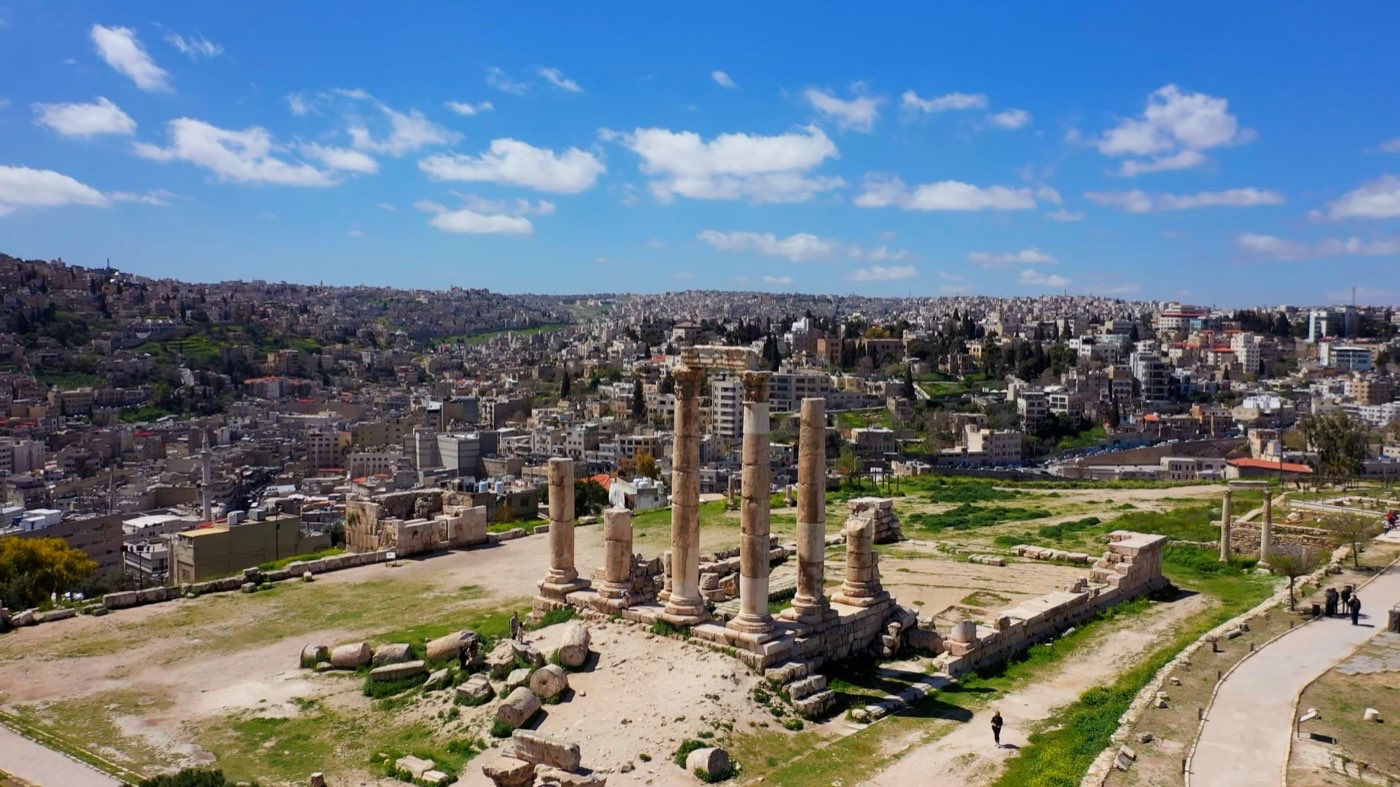
Jordan’s air defence system intercepted three ballistic missiles on July 15, 2026. The Jordan Armed Forces confirmed the intercepts in a brief statement, noting that the projectiles were tracked and neutralised before reaching populated areas. No casualties were reported.
Current Situation
Queen Alia International Airport in Amman was not affected and is operating on its normal schedule. No curfews or movement restrictions are in place across the country. The intercepts occurred in the early hours, and by morning the situation had returned to baseline.
Jordan has an established track record of operating effective air defences. The country has intercepted missile and drone threats on multiple occasions in recent years - incidents that have not translated into sustained disruption to civilian life or tourist activity. Amman, Petra, Aqaba, and the Dead Sea region remain open to visitors.
Context for Travellers
Jordan shares borders with Syria, Iraq, and Israel, which creates ongoing exposure to regional instability that is structurally different from countries further from the conflict zones. The Jordanian government maintains close security cooperation with Western partners, which underpins the country’s robust early-warning and intercept capability.
Standard travel advisories from the UK Foreign Office, the US State Department, and equivalent bodies advise travellers to exercise increased caution in Jordan - guidance that has been in place for several years and was not elevated following the July 15 incident. Travellers with existing bookings should monitor their government’s advisory pages and check with their airline for any schedule changes.
What to Do If You Are Currently in Jordan
If you are already in country, the practical guidance is: stay informed through local news and your embassy’s alerts, avoid large public gatherings where security is not managed, and follow guidance from your accommodation if any local restrictions are announced. The southern areas - Aqaba, Wadi Rum, and Petra - are the furthest from the northern border areas and generally experience the least impact from regional events.
Planning Ahead
For those with future bookings, it is worth checking your travel insurance for Jordan to understand what scenarios trigger cancellation or curtailment coverage. Most comprehensive travel insurance policies cover disruption arising from government-issued travel advisories, but the specific trigger points vary.
Our practical guide covers Jordan entry requirements and up-to-date safety information. The city guides include Amman, Aqaba, and Petra. The things to do section is relevant for planning time across Jordan’s considerable range of historical sites, desert landscapes, and diving.