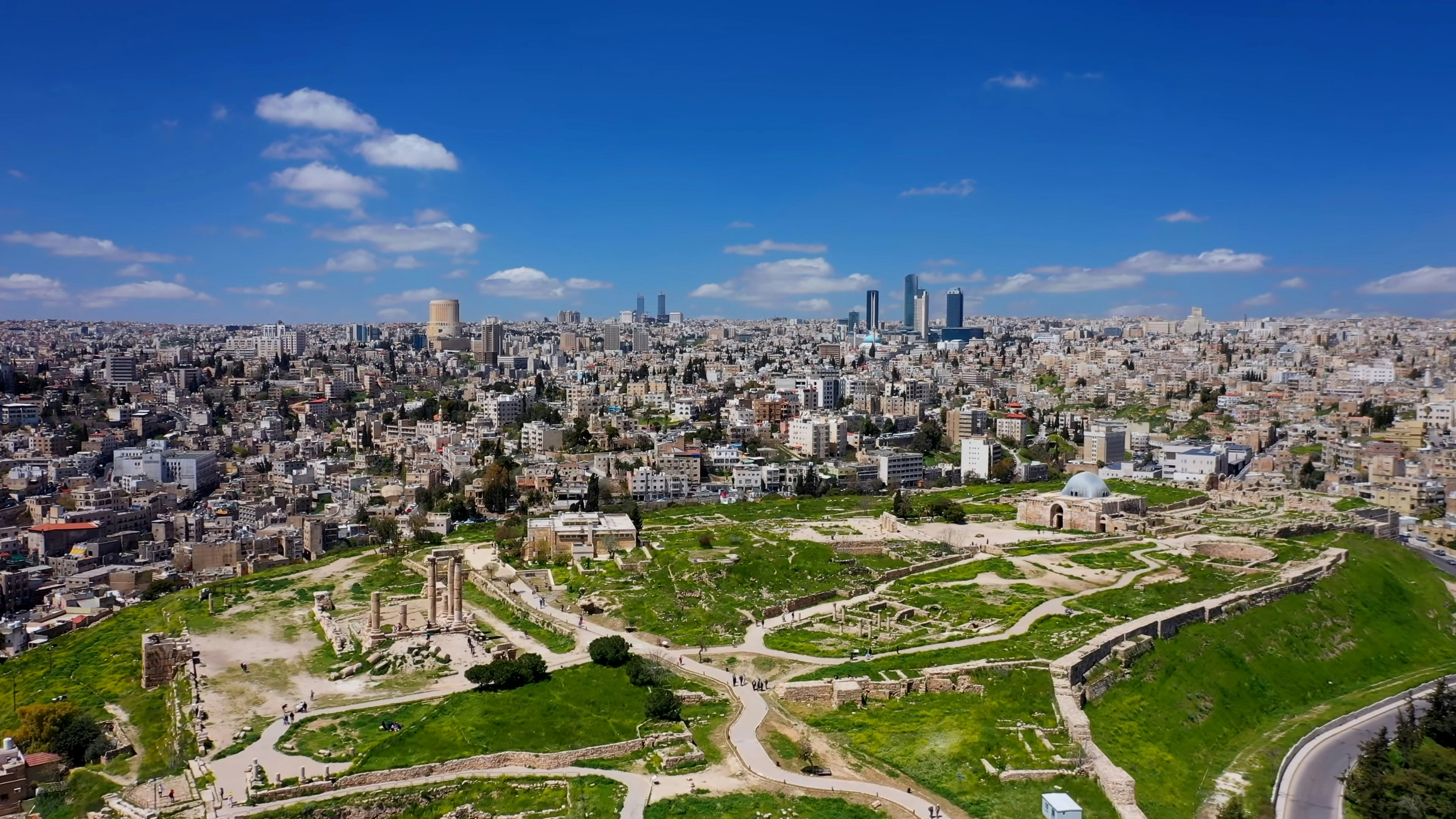
Jordan is among the more visitor-friendly countries in the Middle East for Ramadan travel. Tourist sites remain open, transport continues normally, and the daily rhythm of iftar (the sunset meal breaking the fast) offers an authentic cultural experience that few other times of year can match. That said, some logistics change and it pays to know what to expect before you arrive.
When Is Ramadan?
Ramadan is the ninth month of the Islamic lunar calendar and falls approximately 10 days earlier in the Gregorian calendar each year. In 2026, Ramadan is expected to begin around 17 February and conclude around 18 March, with Eid al-Fitr following immediately after. These dates are approximate - in Jordan, as in other Muslim countries, the official start is confirmed by moon sighting, and the date may shift by one day in either direction.
The days immediately after Ramadan (Eid al-Fitr) bring a significant spike in domestic tourism. If your travel overlaps with Eid, book accommodation early.
What Stays Open
Major tourist sites: Petra, Wadi Rum, Jerash, the Dead Sea, Aqaba’s beaches, and all Jordan’s main archaeological and natural sites operate with normal hours during Ramadan. Entry fees remain the same. The Jordan Pass remains valid.
Transport: Queen Alia International Airport operates normally. Internal transport - JETT buses, minibuses, service taxis - continues with some timetable adjustments, particularly around iftar time when drivers and staff may take a break.
Banks and government offices: Working hours are typically reduced - expect 8am–2pm rather than the usual 8am–3:30pm or 4pm. Plan any visa extensions or administrative tasks around these hours.
Pharmacies and petrol stations: Remain open throughout, often with extended evening hours.
What Changes
Food and Drink
The most practical change is daytime food access. Restaurants and street food vendors away from hotels close during daylight hours. In areas that serve significant tourist numbers - Petra village, central Aqaba, the Dead Sea resort strip - some international-style cafés operate with modified hours (reduced seating, discreet interiors). Hotel restaurants remain open and serve tourists normally throughout the day.
Practical strategies:
- Have breakfast at your hotel before heading out.
- Pack snacks and water in your bag - eating while walking is done discreetly, away from public spaces and mosques.
- Plan lunch around a hotel café or a hidden-away tourist restaurant rather than expecting a local market stall to be open.
- By 4–5pm, start thinking about where you will be at sunset (iftar) - restaurants fill fast.
Alcohol
Alcohol service is restricted. Many restaurants that normally serve wine and beer stop entirely for Ramadan. Licensed hotel bars are the consistent option. Supermarkets in some areas tape over or reduce access to alcohol shelves. Drinking alcohol discreetly in your hotel room is normal; drinking on the street or in public is inappropriate and should be avoided throughout Ramadan.
Noise and Evening Activity
After iftar (sunset), Jordan comes alive. The streets of Amman’s downtown, particularly around Al-Hashemi Street and Rainbow Street, fill with families until well past midnight. Restaurants run until 2–3am during Ramadan, serving suhoor (the pre-dawn meal). If you enjoy late-night street culture, Ramadan evenings are genuinely worth experiencing.
Conversely, the midday hours before iftar are notably quiet - some of the best light and fewest crowds at places like Petra’s Treasury happen in the early morning and late afternoon slots.
Respectful Behaviour
Jordan does not legally prohibit non-Muslims from eating or drinking in public during Ramadan, but social convention and respect are important.
Do:
- Eat and drink out of sight - inside a hotel, restaurant, or your car.
- Greet people with “Ramadan Kareem” (generous Ramadan) - it is always warmly received.
- Dress conservatively, especially in cities. While Jordan’s dress expectations are relatively relaxed year-round, Ramadan is a time to err on the side of modesty.
- Accept invitations to iftar if offered - Jordanians are genuinely hospitable and sharing iftar with foreign visitors is considered an honour.
Avoid:
- Eating, drinking, or smoking visibly on the street during daylight.
- Playing loud music near mosques or in public spaces.
- Scheduling business meetings across the iftar window without confirming with your Jordanian contacts first.
Iftar Experiences Worth Seeking
Hotel iftar buffets are a reliable option and often excellent value: typically JOD 15–30 per person for an extensive spread of Jordanian food - mansaf (the national dish of lamb in yoghurt sauce with rice), knafeh (the cheese pastry dessert), fatteh, musakhan, and an enormous variety of mezze. Major hotels in Amman (Four Seasons, InterContinental, W Amman), Petra (Movenpick Petra), and Aqaba (InterContinental Aqaba, Kempinski) all run Ramadan iftar services.
Local iftar at a neighbourhood restaurant in Amman is a more intimate experience. By around 6pm on any given Ramadan evening, tables fill within minutes of the evening call to prayer. Arriving 30 minutes before iftar time to secure a table is standard practice. Prices are normal to slightly elevated; quality is high because Ramadan cooking is a point of pride for Jordanian families and restaurants.
Practical Planning Tips
Book accommodation early: Domestic Jordanian family travel picks up in the final week of Ramadan and peaks over Eid. The best hotels in Petra, Amman, and Aqaba can sell out during this window.
Book flights early: The window around Eid al-Fitr sees strong demand on routes to Amman. Search flights to Jordan well in advance if your travel overlaps with the final week of Ramadan or Eid.
Get travel insurance: Ramadan start and end dates are confirmed only by moon sighting - itineraries built around specific dates can shift by a day. Travel insurance for Jordan that covers trip adjustments and delays is worth securing for this reason.
Consider guided tours: For visitors managing Ramadan logistics for the first time - modified restaurant hours, iftar timing, reduced government office availability - booking guided tours of Petra, Wadi Rum, and Jerash through an established operator removes the need to handle taxi availability and camp logistics independently.
Adjust your itinerary timing: Do the physically demanding activities - Petra’s Monastery hike, Wadi Rum jeep tours, Jordan Trail segments - in the morning when your energy is highest and before the heat of the day. Save lower-intensity sightseeing or driving for the afternoon.
Food shopping: Stock your hotel room with snacks from a supermarket (many stay open, and the larger branches in Amman like Safeway and Cozmo reduce but do not eliminate their hours during the day).
Photography: Ramadan evenings provide excellent opportunities for street photography in Amman’s old city and around the King Hussein Mosque downtown. The illuminations, market activity, and family scenes after iftar are rarely seen outside this time of year.
Is Ramadan a Good or Bad Time to Visit?
Neither - it depends on your priorities. The practical friction (daytime restaurants, alcohol access) is real but manageable with light planning. What Ramadan offers in return - a quieter atmosphere at sites during the day, lower hotel rates than the spring peak, and the genuine cultural experience of iftar - makes it a worthwhile time to visit Jordan for travellers who prepare.
Jordan’s tourism infrastructure is mature enough that no tourist should go hungry or struggle significantly. The country sees significant international tourism throughout Ramadan and is well-practised at hosting visitors during the holy month.
Plan Your Trip
✈️ Book your flights to Jordan 🛡️ Get travel insurance 📱 Stay connected with an eSIM 🚗 Rent a car