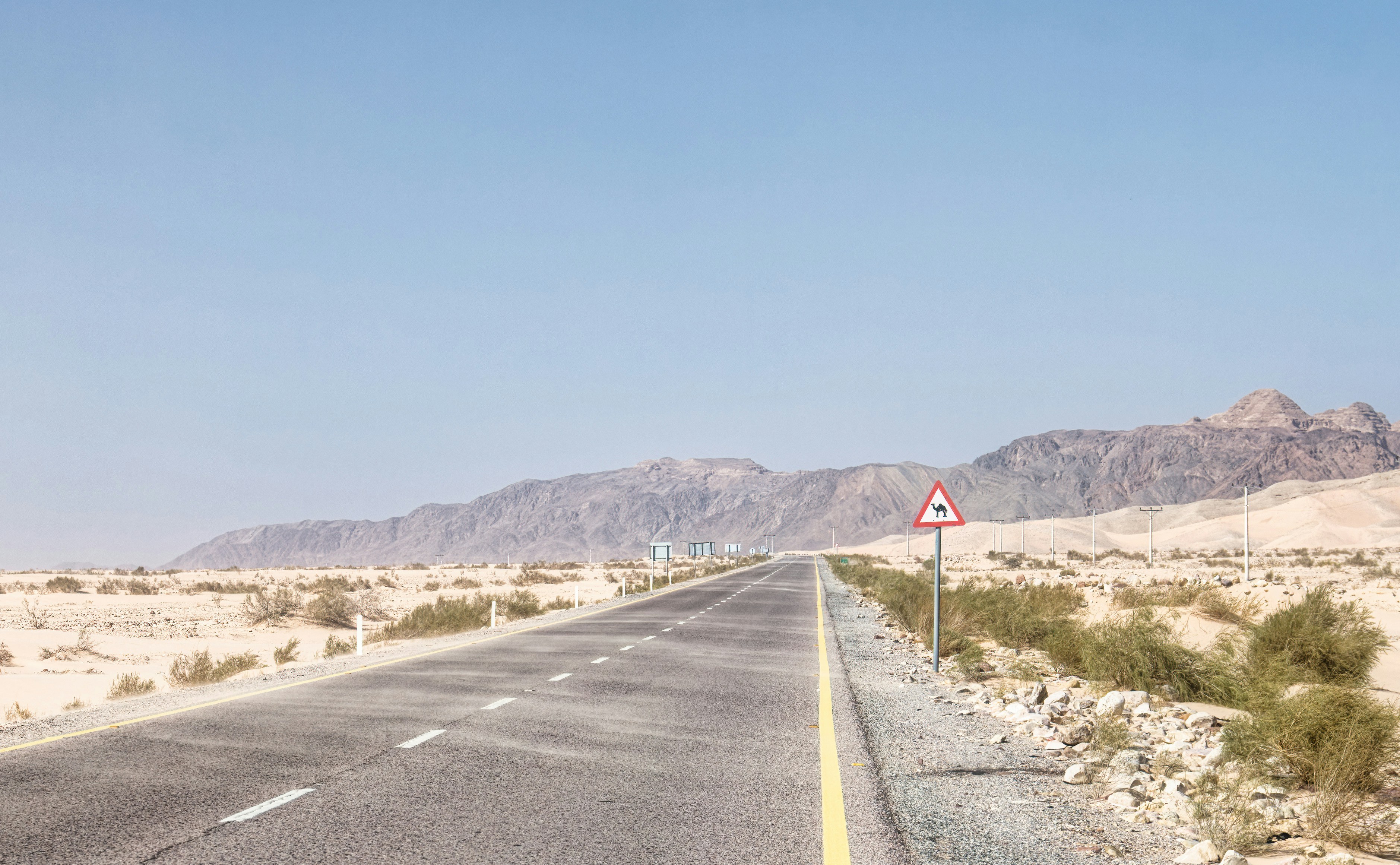
Jordan and Israel share a 307-kilometre border established by the 1994 Wadi Araba peace treaty. Three official land crossings connect the two countries: King Hussein Bridge (also called Allenby Bridge) in the north-central region, Sheikh Hussein Bridge in the north, and Wadi Araba in the south near Aqaba and Eilat. Each serves a different travel purpose, has different operating hours, and connects to different destinations on the Israeli side.
Overview: Three Crossings at a Glance
| Crossing | Location | Best For | Israeli Side |
|---|---|---|---|
| King Hussein / Allenby Bridge | Central (Amman → Jerusalem) | Amman to Jerusalem | West Bank / Jerusalem |
| Sheikh Hussein / Jordan River | Northern | Galilee, Tel Aviv | Beit She’an, Galilee |
| Wadi Araba / Yitzhak Rabin Terminal | Southern (Aqaba → Eilat) | Petra circuit, Red Sea | Eilat, Negev |
All three crossings require a valid passport, any necessary visas, and payment of the Jordan departure tax (JOD 10). There is no visa-on-arrival option for Israel itself - most Western nationalities receive entry permission at the crossing, but check current Israeli entry requirements for your specific nationality before travel.
King Hussein Bridge / Allenby Bridge
The Crossing
King Hussein Bridge - referred to as Allenby Bridge on the Israeli and Palestinian sides - is the busiest and most politically complex of the three crossings. It connects the area west of Amman with the West Bank and, from there, Jerusalem and Israeli territory. The bridge sits over the Jordan River in the Jordan Valley.
This crossing does not operate like a standard international border. On the Israeli-administered side, entry lands you in the West Bank (Palestinian Authority territory). Onward travel into Israel proper requires passing through an additional checkpoint. For this reason, travellers whose primary destination is Israel - Tel Aviv, Haifa, the Negev - often use Sheikh Hussein or Wadi Araba instead.
Opening Hours
King Hussein Bridge is typically open Sunday to Thursday 08:00–23:00, Friday 08:00–15:00, and Saturday 08:00–20:00 (Israeli time). Hours are subject to closure on Israeli public holidays and Jewish holy days. Always verify hours before travel, particularly around Yom Kippur, Passover, and Rosh Hashanah - the crossing closes on these days.
Fees
- Jordan exit tax: JOD 10 per person (paid at the Jordanian departure terminal)
- Palestinian Authority entry fee: approximately USD 3–5 (subject to change)
- Israeli side: no standard entry fee for tourist nationalities; entry is at the discretion of border officials
Transport
From Amman: shared service taxis from Abdali bus station in Amman to the King Hussein Bridge terminal run throughout the day and cost approximately JOD 7–10 per person (around 45 minutes). Private taxis cost JOD 25–35.
On the Israeli/West Bank side: shuttle buses (sheruts) run from the terminal to Jericho, Jerusalem, and Ramallah. The journey from the border to Jerusalem takes approximately 45–60 minutes by sherut.
Practical Note
The security process at King Hussein Bridge tends to be more thorough than at the other two crossings, reflecting the political sensitivity of the route. Allow three to four hours for the full crossing including both sides’ procedures. Luggage is x-rayed multiple times and questioning can be detailed.
Sheikh Hussein Bridge / Jordan River Crossing
The Crossing
Sheikh Hussein Bridge is Jordan’s northernmost crossing and the fastest route between Amman and northern Israel - the Galilee region, Nazareth, Tiberias, and by extension Tel Aviv and Haifa. The crossing sits near the town of Irbid on the Jordanian side and Beit She’an on the Israeli side.
This is the most straightforward of the three crossings in terms of procedure. Entry here constitutes full Israeli territory entry (unlike King Hussein/Allenby), and the process mirrors a standard international border. Most nationalities do not require a pre-arranged Israeli visa.
Opening Hours
Sunday to Thursday 08:00–20:00, Friday and Saturday 08:00–18:00. Closed on Israeli public holidays. Like Allenby, verify before travelling during October (Sukkot, Yom Kippur) and April (Passover).
Fees
- Jordan exit tax: JOD 10 per person
- Israeli entry: no fee for most tourist nationalities
Transport
From Amman to Sheikh Hussein: JETT buses run from Abdali station in Amman to the Sheikh Hussein crossing. Journey time is approximately 1.5–2 hours. Taxis from Amman cost JOD 30–45 for the full journey to the terminal. Search regional bus and coach connections with Omio to check for cross-border services from your origin.
On the Israeli side: shared taxis (sheruts) and buses connect Beit She’an station to Tel Aviv (approximately 2 hours), Haifa (approximately 1.5 hours), and Nazareth (approximately 45 minutes). Car rental is also available from the Israeli side if you want full flexibility.
Practical Note
Sheikh Hussein is the least-used of the three crossings and often moves faster than King Hussein Bridge. If your itinerary takes you northward through Jordan - Jerash, Ajloun, Umm Qais - and onward to the Galilee, this is the logical exit point.
Wadi Araba / Yitzhak Rabin Terminal
The Crossing
The Wadi Araba crossing - known on the Israeli side as the Yitzhak Rabin Terminal or the Arava crossing - connects Aqaba with Eilat. It is the most convenient exit for travellers completing the classic Jordan circuit (Amman → Petra → Wadi Rum → Aqaba) before continuing to Israel’s Red Sea resort and onward to Tel Aviv or Jerusalem.
The crossing sits approximately 4 km north of Aqaba city centre and 4 km north of Eilat. Once through, you are in Israel proper. Onward travel from Eilat to Tel Aviv by bus (Egged, approximately 4.5 hours) or by flight from Eilat’s Ramon Airport (approximately 1 hour) is straightforward.
Opening Hours
Sunday to Thursday 08:00–20:00, Friday and Saturday 08:00–18:00. Closed on Israeli public holidays.
Fees
- Jordan exit tax: JOD 10 per person
- Israeli entry: no fee for most tourist nationalities
- Aqaba Special Economic Zone departure fee: some travellers report an additional charge of JOD 6 if entering or exiting via the Aqaba SEZ; confirm the current status locally before arrival
Transport
From Aqaba centre to the Wadi Araba terminal: taxis cost approximately JOD 5–8 for the short journey (5–10 minutes). Local minibuses also run from central Aqaba for JOD 0.50–1 but routes change seasonally - confirm locally.
On the Israeli side: taxis into Eilat cost approximately ILS 40–60 (under USD 15). Eilat is a small city and walkable once you arrive.
Fees Summary
| Crossing | Jordan Exit Tax | Israeli Entry Fee | Other |
|---|---|---|---|
| King Hussein / Allenby | JOD 10 | None (most nationals) | PA entry ~USD 3–5 |
| Sheikh Hussein | JOD 10 | None (most nationals) | - |
| Wadi Araba | JOD 10 | None (most nationals) | Potential Aqaba SEZ fee JOD 6 |
Jordan Pass holders: the Jordan Pass waives the entry visa fee (JOD 40) but does NOT waive the JOD 10 exit tax at land borders. This is a separate charge.
Practical Tips for All Three Crossings
Timing: Arrive at the Jordanian terminal as early as possible - the first two hours after opening are typically the fastest. Mid-afternoon brings tour groups and queues at all three crossings.
Carry Jordanian dinar for the exit tax: You pay in JD at the Jordanian terminal. ATMs are available at Amman-side crossings, but not always at the southern Wadi Araba terminal. Withdraw before you go.
Israeli stamps: Ask at check-in if you want your Israeli entry noted on a separate piece of paper rather than in your passport. Both Sheikh Hussein and Wadi Araba routinely accommodate this request. King Hussein/Allenby is less consistent on this point. There is no guarantee - it is at the officer’s discretion.
Luggage: At King Hussein Bridge, luggage is transported separately on shuttle buses and goes through multiple x-ray checks. Do not pack anything that could be mistaken for prohibited items; all electronics should be accessible. At Sheikh Hussein and Wadi Araba, the process is more like a standard airport security check.
Time required: Build in two to three hours for the full crossing at Sheikh Hussein and Wadi Araba under normal conditions. Allow three to four hours at King Hussein Bridge.
Israeli security questioning: Israeli border officials often ask detailed questions about itinerary, accommodation, and who you know in the country. This is normal practice. Answer straightforwardly. Travellers with entry stamps from certain countries (Lebanon, Iran, Syria, Sudan) may face additional scrutiny.
No cars cross: You cannot drive a rental car from Jordan into Israel across these crossings - vehicles cannot transit. Return your Jordan rental car before crossing and arrange ground transport on each side separately. Some travellers hire a car in Jordan, return it to the agency in Aqaba, cross on foot, and hire in Israel from Eilat.
Which Crossing Should You Use?
- From Amman, heading to Jerusalem: King Hussein Bridge - closest route, despite the longer process.
- From Amman or Jerash, heading to Galilee or Tel Aviv: Sheikh Hussein Bridge - faster processing, direct connection to Israeli transport.
- Completing the Jordan circuit (Petra → Wadi Rum → Aqaba), heading to Eilat or Tel Aviv: Wadi Araba - the natural end point of the classic Jordan itinerary.
The Wadi Araba crossing is the most popular choice for independent travellers on the classic Jordan route because it connects naturally with the southern circuit and places you in Eilat for onward travel by road or flight.
Plan Your Trip
✈️ Book your flights to Jordan 🛡️ Get travel insurance 📱 Stay connected with an eSIM 🚗 Rent a car